Catastrophic Nepal floods and landslides in Nuwakot leave hundreds still missing
Source: Euronews ↗ (cross-verified by 4 outlets — full list below)
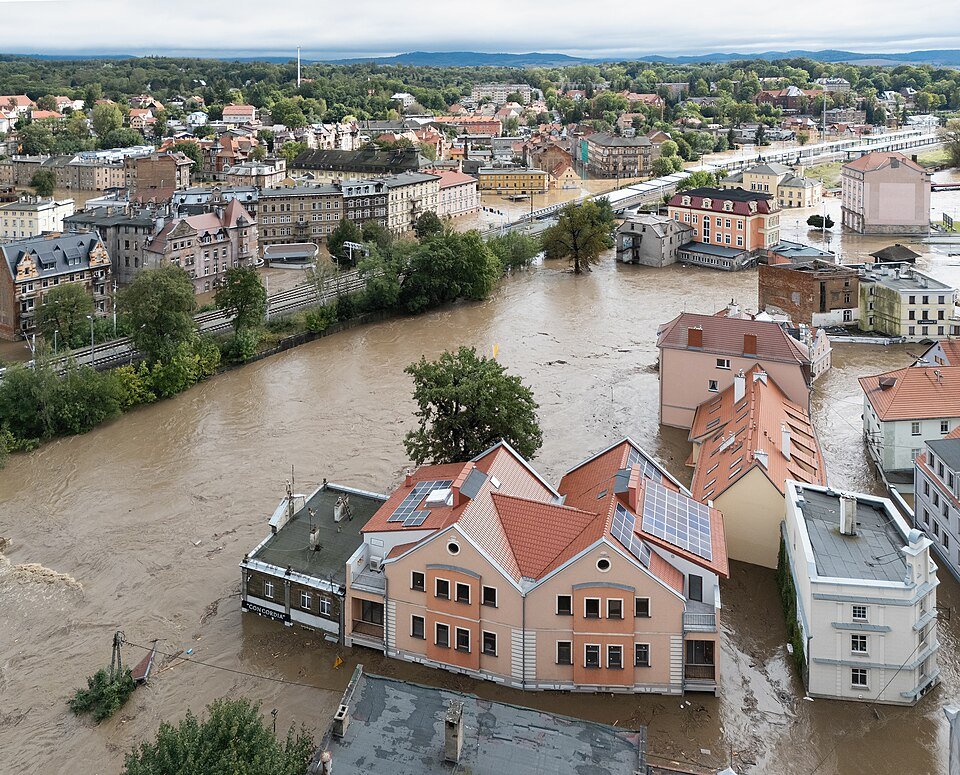
Catastrophic flash floods and landslides struck Nepal’s central Nuwakot district on 26 August, following a glacial collapse near the Nepal‑Tibet border the previous day. Torrents of mud and debris surged through the Trishuli River basin, devastating communities such as Bidur, Devighat and Trishuli Bazaar. Buildings were partially buried, vehicles were submerged in sludge and critical infrastructure—including several bridges and key roads linking Nuwakot with neighboring districts and Kathmandu—was either swept away or severely damaged. The disaster left hundreds of residents, tourists and security personnel missing, prompting an urgent rescue effort.
In response, the Nepal Army deployed MI‑17 helicopters to create an emergency airlift corridor to the District Hospital in Trishuli, enabling the evacuation of critically injured survivors and supporting search‑and‑rescue teams in isolated areas. Authorities have placed communities along the Trishuli and Narayani rivers on high alert because unstable debris upstream heightens the risk of additional flooding and landslides. The rapid mobilization of air assets underscores the severity of the situation and the difficulty of reaching affected zones by land due to the destruction of bridges and roads.
The ongoing rescue operations continue amid concerns that further debris flows could exacerbate the crisis. With hundreds still unaccounted for, the disaster highlights the vulnerability of Nepal’s riverine settlements to glacial‑related hazards and the need for improved early‑warning and infrastructure resilience. The situation remains fluid as authorities monitor upstream conditions and coordinate additional assistance to the hardest‑hit districts of Nuwakot and neighboring Rasuwa.
⚡ Effects Interpreter
🌍World Economymedium impact
What this means for you
- ▶Foreign direct investment decisions can hinge on how this plays out.
- ▶Multinational firms often adjust their playbooks when stories like this break.
🏙️Local Economylow impact
What this means for you
- ▶Slight businesses nearby might tweak their prices in the weeks ahead.
- ▶Neighbourhood traders often adjust subtly rather than all at once.
🏦Rates & Bankslow impact
What this means for you
- ▶Banks generally prefer a wait-and-see approach before touching their rates.
- ▶A modest drift in borrowing costs is more plausible than a sharp jump.
❤️Healthmedium impact
What this means for you
- ▶Being kind to yourself matters just as much as staying informed.
- ▶Unsettling news can weigh on sleep and mood, so peace of mind matters.
💷Wealthmedium impact
What this means for you
- ▶Portfolios built for the long haul rarely need a rethink over one headline.
- ▶A calm head usually serves savers better than a quick reaction.
🏠Housingmedium impact
What this means for you
- ▶Estate agents typically say the market takes weeks to catch up with news.
- ▶Property values usually need more than one headline to really move.
🌍 Effects for your country
The U.S.'s central bank rate currently stands at 3.75%, so a global rates move like this could feed through to local borrowing costs. The U.S.'s economy is growing at 2.3% with inflation at 3.2%, the backdrop this story's effects play out against locally. Housing-market effects like this are usually felt most where mortgage rates track the U.S.'s own central bank rate closely. With the U.S.'s unemployment at 4.4%, personal-finance effects like this land on a labour market that is currently fairly stable. Health-system effects are harder to localise from economic indicators alone — the real impact in the U.S. depends more on local healthcare capacity than the figures above.
The UK's central bank rate currently stands at 3.75%, so a global rates move like this could feed through to local borrowing costs. The UK's economy is growing at 0.8% with inflation at 3.2%, the backdrop this story's effects play out against locally. Housing-market effects like this are usually felt most where mortgage rates track the UK's own central bank rate closely. With the UK's unemployment at 5.6%, personal-finance effects like this land on a labour market that is currently fairly stable. Health-system effects are harder to localise from economic indicators alone — the real impact in the UK depends more on local healthcare capacity than the figures above.
France's central bank rate currently stands at 2%, so a global rates move like this could feed through to local borrowing costs. France's economy is growing at 0.9% with inflation at 1.8%, the backdrop this story's effects play out against locally. Housing-market effects like this are usually felt most where mortgage rates track France's own central bank rate closely. With France's unemployment at 7.9%, personal-finance effects like this land on a labour market that is already under strain. Health-system effects are harder to localise from economic indicators alone — the real impact in France depends more on local healthcare capacity than the figures above.
Romania's central bank rate currently stands at 6.5%, so a global rates move like this could feed through to local borrowing costs. Romania's economy is growing at 0.7% with inflation at 7.8%, the backdrop this story's effects play out against locally. Housing-market effects like this are usually felt most where mortgage rates track Romania's own central bank rate closely. With Romania's unemployment at 6%, personal-finance effects like this land on a labour market that is currently fairly stable. Health-system effects are harder to localise from economic indicators alone — the real impact in Romania depends more on local healthcare capacity than the figures above.
The UAE's central bank rate currently stands at 3.65%, so a global rates move like this could feed through to local borrowing costs. The UAE's economy is growing at 3.1% with inflation at 2.5%, the backdrop this story's effects play out against locally. Housing-market effects like this are usually felt most where mortgage rates track the UAE's own central bank rate closely. Health-system effects are harder to localise from economic indicators alone — the real impact in the UAE depends more on local healthcare capacity than the figures above.