Close race as Iceland votes on whether to restart talks on joining EU
Source: BBC World ↗ (cross-verified by 2 outlets — full list below)
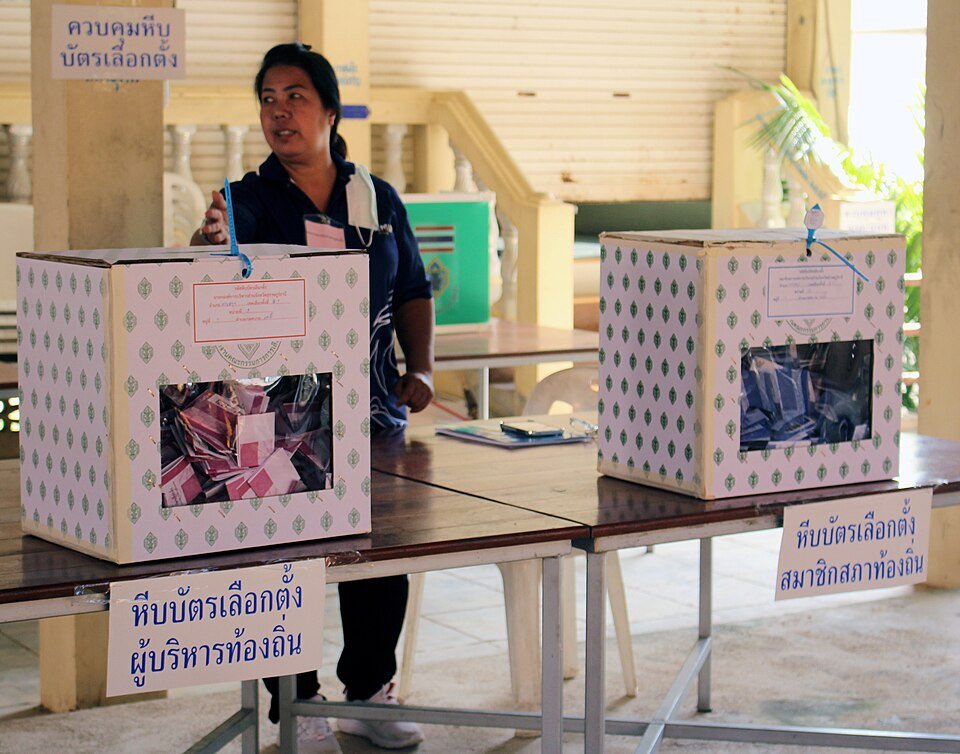
Icelanders are heading to the polls on Saturday to decide whether to restart accession negotiations with the European Union, a vote that comes 13 years after talks were halted in 2013. The referendum, organized by Prime Minister Kristrún Frostadóttir’s centre‑left government, will run from 09:00 to 22:00 GMT, with results expected in the early hours of Sunday. Voters will answer the single question, “Should Iceland resume accession negotiations with the European Union?” While Iceland already participates in the EU’s single market and Schengen area through the European Economic Area, full membership would bring the country into the customs union and eventually the euro. Early voting has already attracted more than one‑fifth of the electorate, and opinion polls suggest a tight race, with the No campaign currently leading at 51.6 percent after previously trailing the Yes side.
The core of the debate centres on Iceland’s vital fishing industry and concerns over sovereignty rather than security issues. Fisheries account for almost 40 percent of Iceland’s exports, and the No camp fears that EU membership would subject the nation’s prized fishing grounds to the Common Fisheries Policy, potentially eroding control that was fiercely defended during the 1970s Cod Wars. Although Brussels has hinted at possible exemptions, the fishing sector remains the biggest obstacle to any agreement. The referendum does not itself grant membership; a Yes vote would merely authorize the government to pursue an accession deal, which would still require parliamentary approval, a constitutional amendment, a second referendum, and ratification by all 27 EU member states. Conversely, a No outcome would not permanently close the door to future talks, leaving the issue open for later reconsideration.
Economic arguments also feature prominently, with Iceland ranking among the world’s most affluent nations yet grappling with high interest rates of 8 percent and inflation at 5.6 percent. Pro‑EU advocates argue that joining the bloc could help lower borrowing costs and stabilize prices, while opponents point to Iceland’s already high cost of living and the need to preserve its economic independence. Security considerations, though less dominant, have been raised: Iceland, a NATO member without its own military, relies on the United States for defence and has recently signed a security partnership with the EU. The televised debate ahead of the vote saw Prime Minister Frostadóttir argue that EU membership would reduce risks and deepen integration, whereas opposition leader Guðrún Hafsteinsdóttir, chair of the Independence Party, warned against relinquishing control of Iceland’s waters and emphasized that NATO and the US alliance already safeguard the nation’s security. The outcome will shape Iceland’s future relationship with Europe, its fishing sector, and its broader economic and geopolitical positioning.
⚡ Effects Interpreter
🌍World Economymedium impact
What this means for you
- ▶Allies and rivals alike will be reading this story closely.
- ▶The wider world tends to watch political shifts for early warning signs.
🏙️Local Economylow impact
What this means for you
- ▶Everyday spending habits nearby might shift once the news sinks in.
- ▶Jobs and trade close to home may feel a soft knock-on effect.
🏦Rates & Banksmedium impact
What this means for you
- ▶Rate decisions tend to filter out political theatre and focus on data.
- ▶The market for money typically twitches first when politics shifts.
❤️Healthlow impact
What this means for you
- ▶Local health services could get busier depending on how things develop.
- ▶Checking in on vulnerable neighbours matters when news feels heavy.
💷Wealthmedium impact
What this means for you
- ▶Investors often reshuffle their holdings when stories like this break.
- ▶Long-term savers usually ride out these small bumps just fine.
🏠Housinglow impact
What this means for you
- ▶The property market tends to move slowly, so expect any change to take time.
- ▶Mortgage shoppers may find deals shift only slightly in the short term.
🌍 Effects for your country
The U.S.'s central bank rate currently stands at 3.75%, so a global rates move like this could feed through to local borrowing costs. The U.S.'s economy is growing at 2.3% with inflation at 3.2%, the backdrop this story's effects play out against locally. Housing-market effects like this are usually felt most where mortgage rates track the U.S.'s own central bank rate closely. With the U.S.'s unemployment at 4.4%, personal-finance effects like this land on a labour market that is currently fairly stable. Health-system effects are harder to localise from economic indicators alone — the real impact in the U.S. depends more on local healthcare capacity than the figures above.
The UK's central bank rate currently stands at 3.75%, so a global rates move like this could feed through to local borrowing costs. The UK's economy is growing at 0.8% with inflation at 3.2%, the backdrop this story's effects play out against locally. Housing-market effects like this are usually felt most where mortgage rates track the UK's own central bank rate closely. With the UK's unemployment at 5.6%, personal-finance effects like this land on a labour market that is currently fairly stable. Health-system effects are harder to localise from economic indicators alone — the real impact in the UK depends more on local healthcare capacity than the figures above.
France's central bank rate currently stands at 2%, so a global rates move like this could feed through to local borrowing costs. France's economy is growing at 0.9% with inflation at 1.8%, the backdrop this story's effects play out against locally. Housing-market effects like this are usually felt most where mortgage rates track France's own central bank rate closely. With France's unemployment at 7.9%, personal-finance effects like this land on a labour market that is already under strain. Health-system effects are harder to localise from economic indicators alone — the real impact in France depends more on local healthcare capacity than the figures above.
Romania's central bank rate currently stands at 6.5%, so a global rates move like this could feed through to local borrowing costs. Romania's economy is growing at 0.7% with inflation at 7.8%, the backdrop this story's effects play out against locally. Housing-market effects like this are usually felt most where mortgage rates track Romania's own central bank rate closely. With Romania's unemployment at 6%, personal-finance effects like this land on a labour market that is currently fairly stable. Health-system effects are harder to localise from economic indicators alone — the real impact in Romania depends more on local healthcare capacity than the figures above.
The UAE's central bank rate currently stands at 3.65%, so a global rates move like this could feed through to local borrowing costs. The UAE's economy is growing at 3.1% with inflation at 2.5%, the backdrop this story's effects play out against locally. Housing-market effects like this are usually felt most where mortgage rates track the UAE's own central bank rate closely. Health-system effects are harder to localise from economic indicators alone — the real impact in the UAE depends more on local healthcare capacity than the figures above.