Fast-fashion giant Shein sets cut-price $27bn valuation for Hong Kong IPO
Source: Guardian World ↗
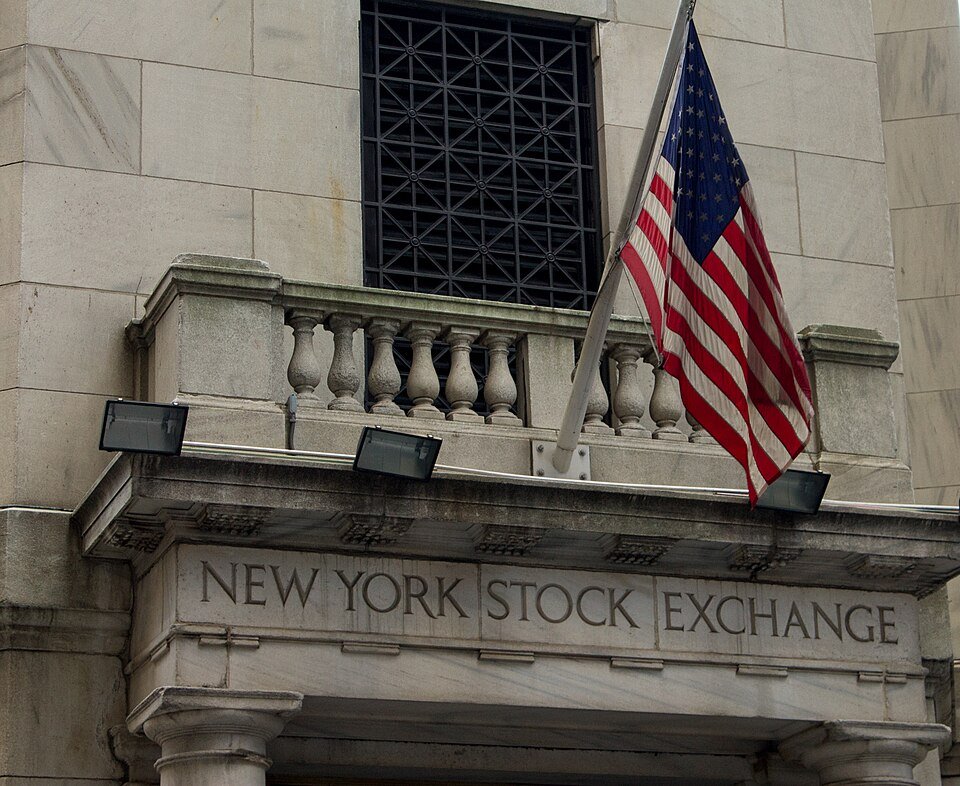
Shein, the China‑based fast‑fashion retailer founded by entrepreneur Chris Xu, will debut on the Hong Kong Stock Exchange on 1 September, offering roughly 280 million shares at HK$47.60‑HK$49.50 each. The pricing targets a market capitalisation of just under $27 billion (£19.8 billion), a stark reduction from the near‑$100 billion private‑market valuation it enjoyed four years ago. The IPO follows a series of regulatory setbacks that blocked a planned New York listing over forced‑labour concerns and forced the company to abandon a £50 billion London float after similar scrutiny from campaigners, MPs and investors. Although Shein operates primarily out of China, it relocated its headquarters to Singapore in 2021‑2022, a move analysts say was intended to deflect growing global attention on Chinese firms. The listing will raise about £1.3 billion at the top of the price range, with the final offer price to be set the day before trading begins.
The float arrives amid a sharp financial downturn for the retailer. Shein posted a $99 million loss for the first quarter of the year, a reversal from the $395 million profit recorded in the same period a year earlier. The swing was driven in part by the United States rescinding an import‑duty exemption on small packages, which dampened sales, and by broader economic headwinds linked to the Iran‑Ukraine war that delayed deliveries and reduced consumer demand in key markets. At the same time, the company faces mounting criticism over its environmental impact and supply‑chain ethics, particularly accusations that its products may contain cotton sourced from Xinjiang, a region associated with forced Uyghur labour. British MPs have pressed Shein for assurances on this issue, and the company’s practice of shipping goods directly from China to consumers in the UK and US—thereby minimising taxes—has sparked calls for reforms to tax rules governing cross‑border e‑commerce.
Despite the challenges, Shein retains a massive European user base, with 156 million average monthly shoppers by the end of last year, positioning it as one of the continent’s largest e‑commerce platforms alongside Amazon. The brand recently opened its first physical store inside Paris’s BHV department store, drawing crowds of eager customers and, simultaneously, protestors who required a heavy police presence. Industry observers, such as Wealth Club’s chief investment strategist Susannah Streeter, caution that the IPO will be a tougher sell, as investors question whether Shein’s ultra‑low‑price model can sustain growth amid rising costs, regulatory pressure and shifting consumer expectations. The outcome of the Hong Kong listing will likely influence how fast‑fashion companies navigate scrutiny over labour practices, environmental sustainability and tax structures in an increasingly vigilant global market.
⚡ Effects Interpreter
🌍World Economylow impact
What this means for you
- ▶Hedge funds and pension funds alike may adjust positions swiftly.
- ▶Bond markets may gradually reprice risk once this news circulates.
🏙️Local Economylow impact
What this means for you
- ▶Corner shops and cafes rarely feel this straight away, but they do feel it.
- ▶Local suppliers who import goods might pass on any change in costs.
🏦Rates & Bankslow impact
What this means for you
- ▶Borrowing costs might hold steady for now, but they can turn on fresh news.
- ▶Rate-setters usually take their time digesting news like this.
❤️Healthlow impact
What this means for you
- ▶Community wellbeing may dip a touch while people wait for clarity.
- ▶Local wellbeing services are there precisely for moments when news feels overwhelming.
💷Wealthmedium impact
What this means for you
- ▶Traders' mood can move your investments before the week is out.
- ▶Your pension provider is likely already factoring this into its models.
🏠Housinglow impact
What this means for you
- ▶Any effect on bricks and mortar is likely to be slow and modest.
- ▶The housing market has a habit of lagging behind the headlines.
🌍 Effects for your country
The U.S.'s central bank rate currently stands at 3.75%, so a global rates move like this could feed through to local borrowing costs. The U.S.'s economy is growing at 2.3% with inflation at 3.2%, the backdrop this story's effects play out against locally. Housing-market effects like this are usually felt most where mortgage rates track the U.S.'s own central bank rate closely. With the U.S.'s unemployment at 4.4%, personal-finance effects like this land on a labour market that is currently fairly stable. Health-system effects are harder to localise from economic indicators alone — the real impact in the U.S. depends more on local healthcare capacity than the figures above.
The UK's central bank rate currently stands at 3.75%, so a global rates move like this could feed through to local borrowing costs. The UK's economy is growing at 0.8% with inflation at 3.2%, the backdrop this story's effects play out against locally. Housing-market effects like this are usually felt most where mortgage rates track the UK's own central bank rate closely. With the UK's unemployment at 5.6%, personal-finance effects like this land on a labour market that is currently fairly stable. Health-system effects are harder to localise from economic indicators alone — the real impact in the UK depends more on local healthcare capacity than the figures above.
France's central bank rate currently stands at 2%, so a global rates move like this could feed through to local borrowing costs. France's economy is growing at 0.9% with inflation at 1.8%, the backdrop this story's effects play out against locally. Housing-market effects like this are usually felt most where mortgage rates track France's own central bank rate closely. With France's unemployment at 7.9%, personal-finance effects like this land on a labour market that is already under strain. Health-system effects are harder to localise from economic indicators alone — the real impact in France depends more on local healthcare capacity than the figures above.
Romania's central bank rate currently stands at 6.5%, so a global rates move like this could feed through to local borrowing costs. Romania's economy is growing at 0.7% with inflation at 7.8%, the backdrop this story's effects play out against locally. Housing-market effects like this are usually felt most where mortgage rates track Romania's own central bank rate closely. With Romania's unemployment at 6%, personal-finance effects like this land on a labour market that is currently fairly stable. Health-system effects are harder to localise from economic indicators alone — the real impact in Romania depends more on local healthcare capacity than the figures above.
The UAE's central bank rate currently stands at 3.65%, so a global rates move like this could feed through to local borrowing costs. The UAE's economy is growing at 3.1% with inflation at 2.5%, the backdrop this story's effects play out against locally. Housing-market effects like this are usually felt most where mortgage rates track the UAE's own central bank rate closely. Health-system effects are harder to localise from economic indicators alone — the real impact in the UAE depends more on local healthcare capacity than the figures above.