Glacial flood death toll surpasses 900 in Nepal and Tibet
Source: France 24 ↗ (cross-verified by 3 outlets — full list below)
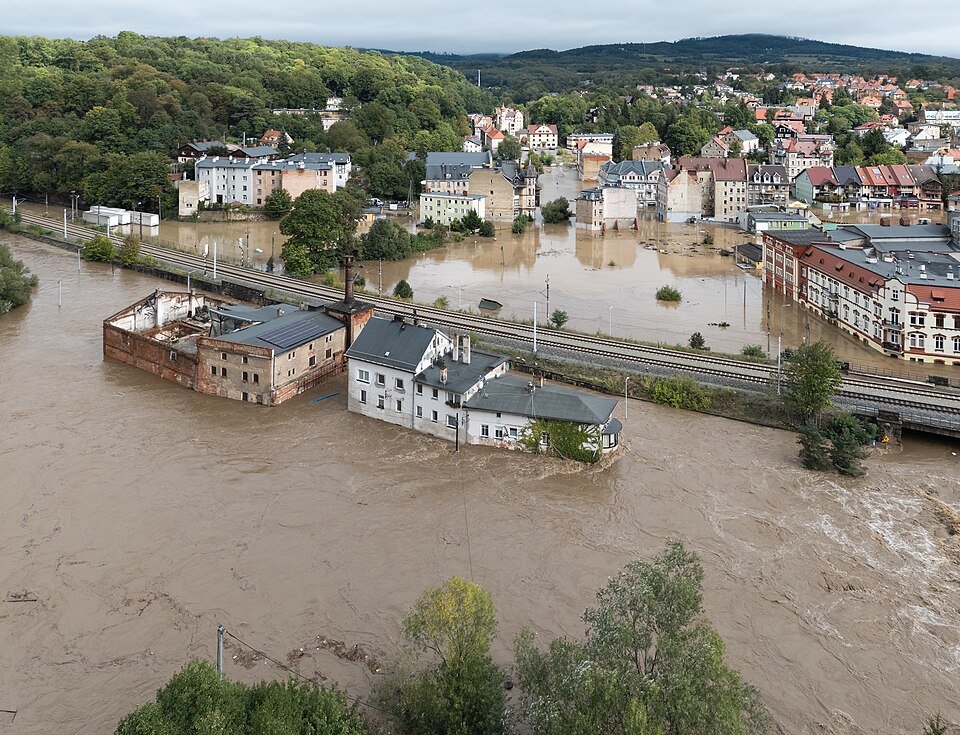
Rescuers on Monday continued battling mud, debris and freezing water after a massive glacial collapse along the China‑Nepal border sent a wave of rock‑filled flood into villages in Nepal’s Rasuwa and Nuwakot districts and Tibet, China, killing at least 939 people in Nepal and Tibet and pulling another 17 bodies from downstream rivers in India, pushing the confirmed death toll past 900 while nearly 4,500 remain missing. The disaster swept entire communities, trapped an estimated 100 hydropower workers inside tunnels, and forced Nepal’s Home Affairs Ministry to mobilise more than 20,600 personnel, rescuing over 3,100 survivors. Among those rescued was 44‑year‑old Shibu Giri, a hydropower worker who was stuck waist‑deep in mud before a helicopter crew finally lifted him to a hospital, while a six‑year‑old girl was pulled from the sludge and reunited with her parents after police heard her crying for help.
The flood was triggered by a glacial collapse, a phenomenon scientists link to accelerating glacier melt across the Himalayas as global temperatures rise. Nepal’s foreign minister, Shisir Khanal, warned that the country is among the hardest‑hit victims of climate change, a view echoed by the U.S. Geological Survey’s attribution of the event to the glacier’s failure. The scale of destruction is immense: roads have vanished, power plants and dozens of bridges are destroyed, and mortuaries are overflowing, prompting authorities to begin burying bodies after DNA sampling so families can later identify them. Kathmandu has appealed for international aid, specifically requesting more than a thousand freezer units to preserve the deceased, while UN children’s fund officials describe the situation as an “unfolding disaster” with vast needs for tens of thousands of affected residents.
In the aftermath, both Nepal and China face scrutiny over rescue transparency and information sharing. Tibetan advocacy groups have demanded that Beijing release “complete and verifiable information” about damage and casualties, a request rebuffed by China’s foreign ministry, which claims its disclosures have been open and timely. Rescue efforts in Tibet involve over 2,000 personnel confronting difficult terrain, while in Nepal, army crews transport bodies in blue bags along riverbanks and families watch images of the dead on community‑centre screens in hopes of identification. Among the missing are 592 foreigners, including trekkers and Hindu pilgrims bound for Mount Kailash, underscoring the disaster’s international dimension and the urgent need for coordinated humanitarian assistance.
⚡ Effects Interpreter
🌍World Economylow impact
What this means for you
- ▶Growth projections drawn up in distant capitals might need a rethink.
- ▶Markets around the world may take their cue from how this story unfolds.
🏙️Local Economylow impact
What this means for you
- ▶The knock-on for local trade is usually gradual rather than sudden.
- ▶Local wages and hours worked may bend slightly with the wider trend.
🏦Rates & Bankslow impact
What this means for you
- ▶Banks tend to wait and see before nudging the rates they offer.
- ▶Your bank is unlikely to act on this alone, but it will be watching.
❤️Healthmedium impact
What this means for you
- ▶Public health messaging can go a long way toward easing collective worry.
- ▶News like this can nibble at everyday calm more than people expect.
💷Wealthlow impact
What this means for you
- ▶Savers with a clear plan tend to feel less rattled by news like this.
- ▶A modest, well-diversified nest egg tends to absorb shocks like this subtly.
🏠Housingmedium impact
What this means for you
- ▶The property ladder rarely wobbles much from a single piece of news.
- ▶Bricks and mortar tend to hold steady while other markets swing about.
🌍 Effects for your country
The U.S.'s central bank rate currently stands at 3.75%, so a global rates move like this could feed through to local borrowing costs. The U.S.'s economy is growing at 2.3% with inflation at 3.2%, the backdrop this story's effects play out against locally. Housing-market effects like this are usually felt most where mortgage rates track the U.S.'s own central bank rate closely. With the U.S.'s unemployment at 4.4%, personal-finance effects like this land on a labour market that is currently fairly stable. Health-system effects are harder to localise from economic indicators alone — the real impact in the U.S. depends more on local healthcare capacity than the figures above.
The UK's central bank rate currently stands at 3.75%, so a global rates move like this could feed through to local borrowing costs. The UK's economy is growing at 0.8% with inflation at 3.2%, the backdrop this story's effects play out against locally. Housing-market effects like this are usually felt most where mortgage rates track the UK's own central bank rate closely. With the UK's unemployment at 5.6%, personal-finance effects like this land on a labour market that is currently fairly stable. Health-system effects are harder to localise from economic indicators alone — the real impact in the UK depends more on local healthcare capacity than the figures above.
France's central bank rate currently stands at 2%, so a global rates move like this could feed through to local borrowing costs. France's economy is growing at 0.9% with inflation at 1.8%, the backdrop this story's effects play out against locally. Housing-market effects like this are usually felt most where mortgage rates track France's own central bank rate closely. With France's unemployment at 7.9%, personal-finance effects like this land on a labour market that is already under strain. Health-system effects are harder to localise from economic indicators alone — the real impact in France depends more on local healthcare capacity than the figures above.
Romania's central bank rate currently stands at 6.5%, so a global rates move like this could feed through to local borrowing costs. Romania's economy is growing at 0.7% with inflation at 7.8%, the backdrop this story's effects play out against locally. Housing-market effects like this are usually felt most where mortgage rates track Romania's own central bank rate closely. With Romania's unemployment at 6%, personal-finance effects like this land on a labour market that is currently fairly stable. Health-system effects are harder to localise from economic indicators alone — the real impact in Romania depends more on local healthcare capacity than the figures above.
The UAE's central bank rate currently stands at 3.65%, so a global rates move like this could feed through to local borrowing costs. The UAE's economy is growing at 3.1% with inflation at 2.5%, the backdrop this story's effects play out against locally. Housing-market effects like this are usually felt most where mortgage rates track the UAE's own central bank rate closely. Health-system effects are harder to localise from economic indicators alone — the real impact in the UAE depends more on local healthcare capacity than the figures above.