Nepal-Tibet floods live: At least 750 dead as rising water levels hamper rescue efforts
Source: France 24 ↗ (cross-verified by 3 outlets — full list below)
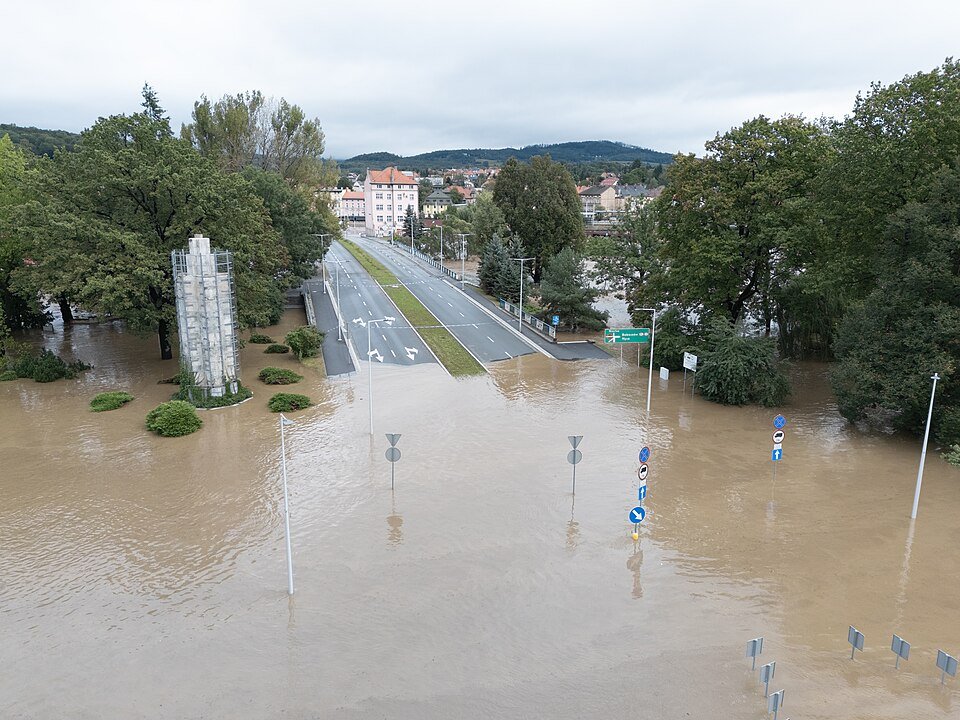
At least 750 people have been confirmed dead after catastrophic floods and a massive mudslide struck the border region between Nepal and Tibet, with more than 3,000 individuals still missing, authorities reported Sunday. The disaster began on Wednesday when a collapsing glacier unleashed a torrent of ice, rock, mud and debris that surged down Himalayan rivers, destroying the Gyirong border port and triggering a landslide that formed a new barrier lake downstream of the Purepuqiang Tsangpo barrier. Rescue teams from China were forced to relocate to safer ground after drones detected the new lake, while Nepali rescuers continue to search for workers trapped in flooded hydropower tunnels, particularly at the Trishuli 3A and 3B sites where 933 workers have been missing since the wall of mud and debris swept through on Wednesday morning.
The most pressing consequence of the disaster is the ongoing difficulty in reaching survivors trapped in the flood‑ravaged terrain, compounded by heavy overnight rain that has raised river levels and inundated excavation sites. Nepal’s National Disaster Risk Reduction and Management Authority says more than 100 workers may still be alive inside the water‑filled tunnels, and army rescue teams have only managed to breach the upper part of a mud‑swamped tunnel at Trishuli 3A, where they are now pumping air and deploying a camera. Meanwhile, Chinese state media confirmed that 261 foreign nationals from 23 countries are missing on the Tibetan side of the border, with the highest number of absent foreigners being 104 Nepalis, followed by 49 Indians, 33 Latvians, 18 Americans and 15 Britons, prompting Beijing to notify the respective foreign missions.
Further details reveal that the death toll in Tibet has risen to 16, while Nepal’s disaster authority recorded at least 734 fatalities and 2,498 missing as rescue operations entered their fifth day. Photographs released by the Nepalese disaster office show workers wading through churned mud and navigating massive boulders left by the floods, underscoring the scale of destruction. Chinese officials warned that the newly formed barrier lake could threaten additional rescue efforts, and both nations are grappling with the logistical challenges of evacuating survivors and locating the thousands still unaccounted for, highlighting the broader humanitarian crisis unfolding in the Himalayan region.
⚡ Effects Interpreter
🌍World Economymedium impact
What this means for you
- ▶World markets have a habit of reading between the lines of stories like this.
- ▶Multinational firms often adjust their playbooks when stories like this break.
🏙️Local Economylow impact
What this means for you
- ▶High street footfall and spending can shift subtly after a story like this.
- ▶Local wages and hours worked might bend slightly with the wider trend.
🏦Rates & Bankslow impact
What this means for you
- ▶Borrowing costs may hold steady for now, but they can turn on fresh news.
- ▶A sudden leap in mortgage costs from this alone would be out of character for lenders.
❤️Healthlow impact
What this means for you
- ▶The strain, if any, tends to show up gradually in everyday life.
- ▶Some people feel this news more keenly than others, and that's worth acknowledging.
💷Wealthmedium impact
What this means for you
- ▶Retirement plans are seldom derailed by news of this size alone.
- ▶Time in the market usually matters more than timing the market around news like this.
🏠Housinglow impact
What this means for you
- ▶House prices and rents are unlikely to shift the moment this news breaks.
- ▶A slow-moving market like housing rarely reacts overnight.
🌍 Effects for your country
The U.S.'s central bank rate currently stands at 3.75%, so a global rates move like this could feed through to local borrowing costs. The U.S.'s economy is growing at 2.3% with inflation at 3.2%, the backdrop this story's effects play out against locally. Housing-market effects like this are usually felt most where mortgage rates track the U.S.'s own central bank rate closely. With the U.S.'s unemployment at 4.4%, personal-finance effects like this land on a labour market that is currently fairly stable. Health-system effects are harder to localise from economic indicators alone — the real impact in the U.S. depends more on local healthcare capacity than the figures above.
The UK's central bank rate currently stands at 3.75%, so a global rates move like this could feed through to local borrowing costs. The UK's economy is growing at 0.8% with inflation at 3.2%, the backdrop this story's effects play out against locally. Housing-market effects like this are usually felt most where mortgage rates track the UK's own central bank rate closely. With the UK's unemployment at 5.6%, personal-finance effects like this land on a labour market that is currently fairly stable. Health-system effects are harder to localise from economic indicators alone — the real impact in the UK depends more on local healthcare capacity than the figures above.
France's central bank rate currently stands at 2%, so a global rates move like this could feed through to local borrowing costs. France's economy is growing at 0.9% with inflation at 1.8%, the backdrop this story's effects play out against locally. Housing-market effects like this are usually felt most where mortgage rates track France's own central bank rate closely. With France's unemployment at 7.9%, personal-finance effects like this land on a labour market that is already under strain. Health-system effects are harder to localise from economic indicators alone — the real impact in France depends more on local healthcare capacity than the figures above.
Romania's central bank rate currently stands at 6.5%, so a global rates move like this could feed through to local borrowing costs. Romania's economy is growing at 0.7% with inflation at 7.8%, the backdrop this story's effects play out against locally. Housing-market effects like this are usually felt most where mortgage rates track Romania's own central bank rate closely. With Romania's unemployment at 6%, personal-finance effects like this land on a labour market that is currently fairly stable. Health-system effects are harder to localise from economic indicators alone — the real impact in Romania depends more on local healthcare capacity than the figures above.
The UAE's central bank rate currently stands at 3.65%, so a global rates move like this could feed through to local borrowing costs. The UAE's economy is growing at 3.1% with inflation at 2.5%, the backdrop this story's effects play out against locally. Housing-market effects like this are usually felt most where mortgage rates track the UAE's own central bank rate closely. Health-system effects are harder to localise from economic indicators alone — the real impact in the UAE depends more on local healthcare capacity than the figures above.