Nepal warns of more possible floods as communities grapple with devastation and death toll rises
Source: Euronews ↗ (cross-verified by 4 outlets — full list below)
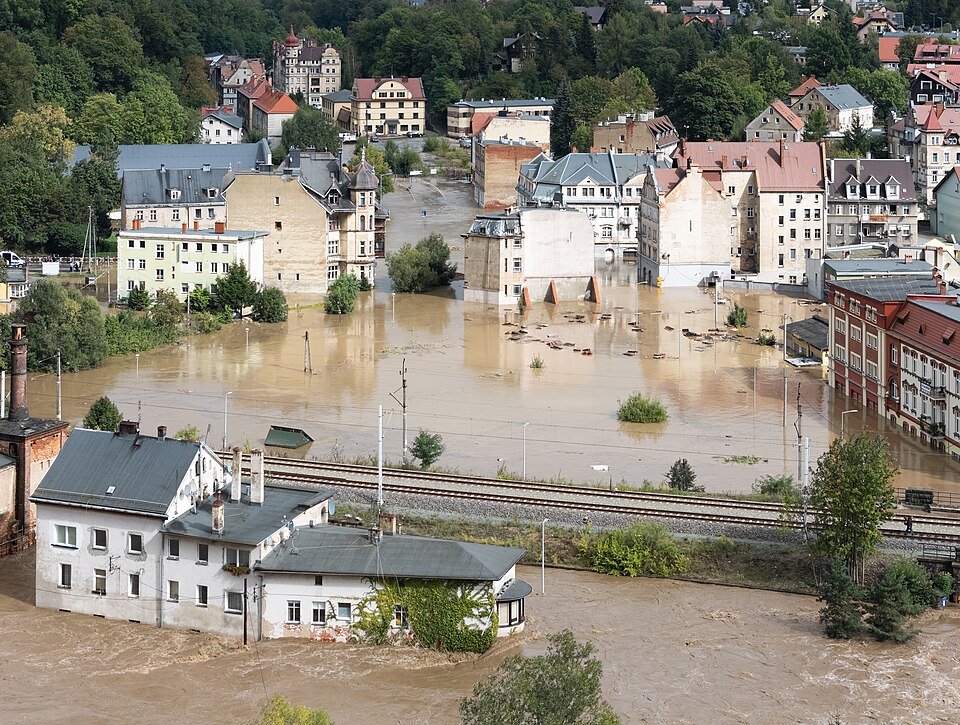
Authorities in Nepal issued flood warnings on Sunday after the Bhotekoshi River’s water level rose, urging residents of the hardest‑hit districts to stay alert. The alerts, sent to phones across the region, came as rescue teams attempted to clear the main road linking Kathmandu to the flood‑ravaged area. In Galchhi, villagers climbed onto a nearby bridge to escape rising waters, watching the river surge past massive rocks washed downstream. Suspension bridges were cordoned off with whistles, while thick grey‑brown mud engulfed entire communities, leaving houses, cars and farm tractors protruding from the sludge and rice terraces collapsing into the river after landslides. The latest figures put the combined death toll from Nepal and Tibet at over 800, with more than 3,000 people still missing; Nepal’s disaster agency reported 788 dead and 2,498 missing, while Chinese authorities listed 16 deaths and 546 missing, including dozens of Nepalis and foreign nationals.
The heightened risk stems from upstream water flow increases reported by Chinese officials, prompting Nepal’s National Disaster Risk Reduction and Management Authority chief, Dharam Raj Uprety, to warn of further flooding. Residents, however, are growing weary of the relentless alerts. Govind Shreshta described the strain of repeatedly evacuating, often at night, while caring for elderly parents, and Sattan Singh Tamang highlighted how destroyed concrete and suspension bridges have stranded communities on both sides of the river, complicating rescue and aid efforts. Power infrastructure remains crippled, with twisted poles and tangled wires leaving many homes and businesses without electricity.
Despite most of the vital Prithvi Highway—key for delivering food, fuel and supplies to Kathmandu—being operational, sections still require repair, hampering relief logistics. The ongoing devastation underscores the broader challenge of restoring connectivity and essential services while coping with a mounting death toll and thousands of missing persons, as Nepal and neighboring China continue to coordinate responses to the unfolding disaster.
⚡ Effects Interpreter
🌍World Economylow impact
What this means for you
- ▶Overseas suppliers may subtly rethink their pricing after news like this.
- ▶The ripples can spread across borders, nudging growth forecasts here and there.
🏙️Local Economylow impact
What this means for you
- ▶The pinch, if any, tends to show up first at the till.
- ▶Community shops might gradually reprice stock as costs shift upstream.
🏦Rates & Bankslow impact
What this means for you
- ▶Fixed and variable borrowers alike may want to keep half an eye on this.
- ▶A modest drift in borrowing costs is more plausible than a sharp jump.
❤️Healthlow impact
What this means for you
- ▶Stress levels in affected communities might tick up before they settle.
- ▶Community spirit often steadies nerves when headlines feel unsettling.
💷Wealthmedium impact
What this means for you
- ▶Financial plans built on solid ground rarely need urgent revisiting here.
- ▶Long-term savers usually ride out these small bumps just fine.
🏠Housinglow impact
What this means for you
- ▶Renters could see costs drift a bit as landlords weigh their own bills.
- ▶Local surveyors often note that sentiment shifts before prices actually do.
🌍 Effects for your country
The U.S.'s central bank rate currently stands at 3.75%, so a global rates move like this could feed through to local borrowing costs. The U.S.'s economy is growing at 2.3% with inflation at 3.2%, the backdrop this story's effects play out against locally. Housing-market effects like this are usually felt most where mortgage rates track the U.S.'s own central bank rate closely. With the U.S.'s unemployment at 4.4%, personal-finance effects like this land on a labour market that is currently fairly stable. Health-system effects are harder to localise from economic indicators alone — the real impact in the U.S. depends more on local healthcare capacity than the figures above.
The UK's central bank rate currently stands at 3.75%, so a global rates move like this could feed through to local borrowing costs. The UK's economy is growing at 0.8% with inflation at 3.2%, the backdrop this story's effects play out against locally. Housing-market effects like this are usually felt most where mortgage rates track the UK's own central bank rate closely. With the UK's unemployment at 5.6%, personal-finance effects like this land on a labour market that is currently fairly stable. Health-system effects are harder to localise from economic indicators alone — the real impact in the UK depends more on local healthcare capacity than the figures above.
France's central bank rate currently stands at 2%, so a global rates move like this could feed through to local borrowing costs. France's economy is growing at 0.9% with inflation at 1.8%, the backdrop this story's effects play out against locally. Housing-market effects like this are usually felt most where mortgage rates track France's own central bank rate closely. With France's unemployment at 7.9%, personal-finance effects like this land on a labour market that is already under strain. Health-system effects are harder to localise from economic indicators alone — the real impact in France depends more on local healthcare capacity than the figures above.
Romania's central bank rate currently stands at 6.5%, so a global rates move like this could feed through to local borrowing costs. Romania's economy is growing at 0.7% with inflation at 7.8%, the backdrop this story's effects play out against locally. Housing-market effects like this are usually felt most where mortgage rates track Romania's own central bank rate closely. With Romania's unemployment at 6%, personal-finance effects like this land on a labour market that is currently fairly stable. Health-system effects are harder to localise from economic indicators alone — the real impact in Romania depends more on local healthcare capacity than the figures above.
The UAE's central bank rate currently stands at 3.65%, so a global rates move like this could feed through to local borrowing costs. The UAE's economy is growing at 3.1% with inflation at 2.5%, the backdrop this story's effects play out against locally. Housing-market effects like this are usually felt most where mortgage rates track the UAE's own central bank rate closely. Health-system effects are harder to localise from economic indicators alone — the real impact in the UAE depends more on local healthcare capacity than the figures above.