Qatar PM meets Iran’s Araghchi in Tehran as Doha pushes de-escalation and reopening Hormuz
Source: Euronews ↗ (cross-verified by 2 outlets — full list below)
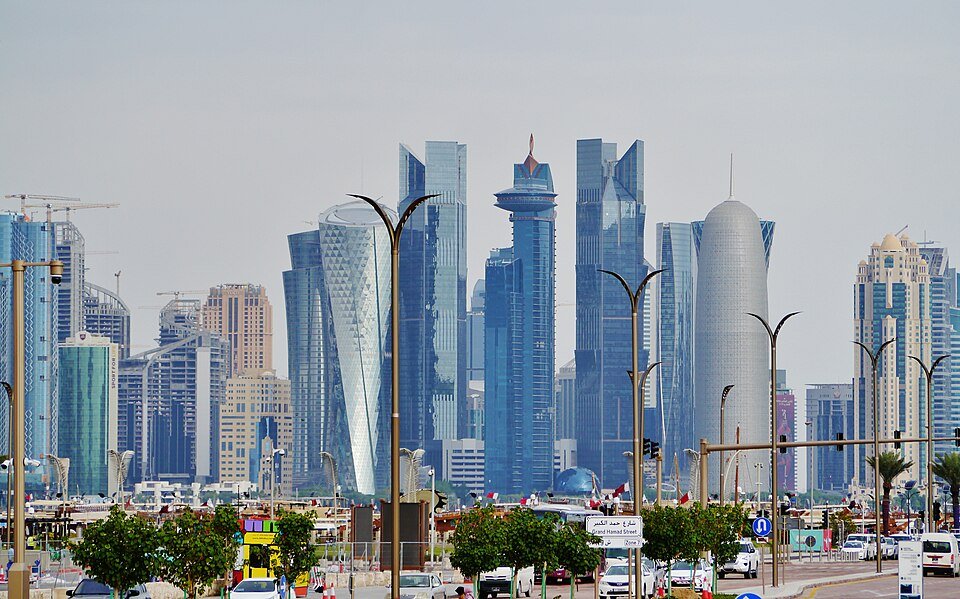
Qatar’s prime minister and foreign minister, Sheikh Mohammed bin Abdulrahman Al Thani, travelled to Tehran on Thursday for the first high‑level Qatari visit since the war began on 28 February, meeting Iran’s foreign minister Abbas Araghchi. The talks centred on de‑escalation and the creation of conditions for renewed US‑Iran dialogue, with particular emphasis on a phased plan for the Strait of Hormuz that would include a temporary shipping corridor and a joint mine‑clearing project. Sheikh Mohammed underscored the need to respect the sovereignty of neighbouring states and to safeguard freedom of navigation, while Araghchi thanked Doha for its mediation role and ongoing support for diplomatic engagement.
The meeting reflects Qatar’s expanding role as a mediator in a conflict that has severely disrupted global energy markets. Qatar, a US ally that hosts the Al Udeid air base and shares the world’s largest gas field with Iran, helped broker the brief June ceasefire and now seeks to revive talks that could restore the strait’s pre‑war traffic levels. Shipping through Hormuz, which previously carried about one‑fifth of the world’s oil—roughly 20 million barrels a day—has collapsed to around five million barrels, and the waterway has seen dozens of incidents, including a recent tanker hit by an unidentified projectile. The reduction in flow has coincided with a dramatic drop in Qatari LNG exports, from 509 cargoes in the first half of last year to just 18 in the same period this year, threatening the country’s revenue and its ability to meet global LNG demand.
The broader diplomatic landscape shows multiple regional actors pushing for stability. Iran and Oman have been negotiating a temporary shipping arrangement, though no final agreement has been reached, while senior Pakistani officials have also visited Tehran. The United States, under President Donald Trump, has intensified sanctions on Iran, describing the measures as an “economic war,” and has signalled no urgency to resume negotiations. Meanwhile, Qatar warns that attacks on its Ras Laffan facility have cut production by 17 percent, with a full recovery potentially taking five years, underscoring the high stakes for both regional security and global energy supplies.
⚡ Effects Interpreter
🌍World Economylow impact
What this means for you
- ▶Growth projections drawn up in distant capitals could need a rethink.
- ▶Trading partners on the other side of the world could feel a distant nudge.
🏙️Local Economymedium impact
What this means for you
- ▶Corner shops and cafes rarely feel this straight away, but they do feel it.
- ▶High street footfall and spending can shift subtly after a story like this.
🏦Rates & Banksmedium impact
What this means for you
- ▶Rate decisions tend to follow data, not headlines, so patience is the norm.
- ▶Watching how currency markets react can hint at where rates head next.
❤️Healthlow impact
What this means for you
- ▶Local health services might get busier depending on how things develop.
- ▶Neighbours and families may feel more anxious until the dust settles.
💷Wealthmedium impact
What this means for you
- ▶A quiet review of where your savings sit rarely does any harm.
- ▶Savers with a clear plan tend to feel less rattled by a story like this.
🏠Housinglow impact
What this means for you
- ▶Asking prices in the area could firm up or soften only gradually.
- ▶Housing supply and demand rarely turn on a single piece of news.
🌍 Effects for your country
The U.S.'s central bank rate currently stands at 3.75%, so a global rates move like this could feed through to local borrowing costs. The U.S.'s economy is growing at 2.3% with inflation at 3.2%, the backdrop this story's effects play out against locally. Housing-market effects like this are usually felt most where mortgage rates track the U.S.'s own central bank rate closely. With the U.S.'s unemployment at 4.4%, personal-finance effects like this land on a labour market that is currently fairly stable. Health-system effects are harder to localise from economic indicators alone — the real impact in the U.S. depends more on local healthcare capacity than the figures above.
The UK's central bank rate currently stands at 3.75%, so a global rates move like this could feed through to local borrowing costs. The UK's economy is growing at 0.8% with inflation at 3.2%, the backdrop this story's effects play out against locally. Housing-market effects like this are usually felt most where mortgage rates track the UK's own central bank rate closely. With the UK's unemployment at 5.6%, personal-finance effects like this land on a labour market that is currently fairly stable. Health-system effects are harder to localise from economic indicators alone — the real impact in the UK depends more on local healthcare capacity than the figures above.
France's central bank rate currently stands at 2%, so a global rates move like this could feed through to local borrowing costs. France's economy is growing at 0.9% with inflation at 1.8%, the backdrop this story's effects play out against locally. Housing-market effects like this are usually felt most where mortgage rates track France's own central bank rate closely. With France's unemployment at 7.9%, personal-finance effects like this land on a labour market that is already under strain. Health-system effects are harder to localise from economic indicators alone — the real impact in France depends more on local healthcare capacity than the figures above.
Romania's central bank rate currently stands at 6.5%, so a global rates move like this could feed through to local borrowing costs. Romania's economy is growing at 0.7% with inflation at 7.8%, the backdrop this story's effects play out against locally. Housing-market effects like this are usually felt most where mortgage rates track Romania's own central bank rate closely. With Romania's unemployment at 6%, personal-finance effects like this land on a labour market that is currently fairly stable. Health-system effects are harder to localise from economic indicators alone — the real impact in Romania depends more on local healthcare capacity than the figures above.
The UAE's central bank rate currently stands at 3.65%, so a global rates move like this could feed through to local borrowing costs. The UAE's economy is growing at 3.1% with inflation at 2.5%, the backdrop this story's effects play out against locally. Housing-market effects like this are usually felt most where mortgage rates track the UAE's own central bank rate closely. Health-system effects are harder to localise from economic indicators alone — the real impact in the UAE depends more on local healthcare capacity than the figures above.