South Korea footballers urge safety after extreme heat statistics
Source: Al Jazeera ↗ (cross-verified by 2 outlets — full list below)
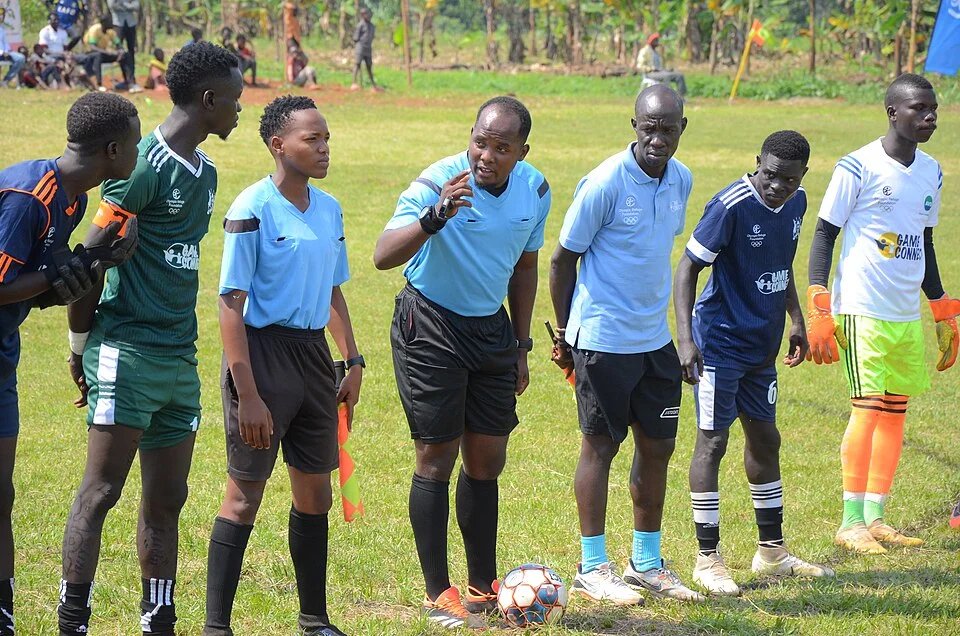
South Korea professional football association urges stronger heat protections in face of rising temperatures. South Korean professional footballers urged stronger protections against extreme heat after a survey by the Korea Pro-Footballers Association (KPFA) showed many players hit by dehydration, dizziness and temporary lapses in consciousness during competition. It found 86.2% of respondents suffered significant physical strain while playing in the heat, among 536 players from South Korea’s K League and WK League surveyed during a summer when pitch temperatures exceeded 40 degrees Celsius (104 degrees Fahrenheit). Nearly two-thirds (64.7%) complained of dizziness during matches or training, while 56.6% had severe dehydration and 13% suffered lapses in consciousness. “The fact that over 70 players experienced dizziness, dehydration, and even temporary loss of consciousness is a glaring red flag,” KPFA President Lee Keun-ho, a former national team player, said in a statement.
The union called on the Korea Football Association (KFA), K League and WK League to introduce mandatory heat protocols, saying the current safeguards do not sufficiently protect players. The KFA told the Reuters news agency that player health and safety remained its “absolute top priority” and that it fully acknowledged the concerns raised by the players’ union. The governing body said it was taking steps to reduce heat-related risks, including adjusting match schedules and enforcing cooling-break protocols during games, while also noting some logistical challenges. “While we face certain practical constraints, including stadium availability and tight scheduling limitations, KFA is continuously monitoring conditions to make every possible effort to prevent any heat-related incidents,” South Korea’s governing body said in a statement on Friday. Almost half the respondents said they were dissatisfied with the current cooling-break system that usually gives players a break of just more than three minutes once temperatures reach a specified threshold.
Nearly 90% supported changes to existing match operations during extreme heat. More than half favoured later kickoff times, while others backed postponing or cancelling matches when heat advisories are in effect. The union said women players often face additional challenges, with a number of matches scheduled during the hottest part of the day on artificial surfaces and at venues without adequate air-conditioned changing facilities. “Playing under the scorching sun on artificial turf that traps and radiates heat is essentially forcing athletes into a furnace,” KPFA Women’s President Ji So-yun said. “Just as professional baseball proactively cancels games for the heat, football needs to stop mechanically following a rigid schedule and actually prioritise player health and safety.” The KPFA said the findings should also prompt a broader discussion on South Korea’s football calendar, with many players supporting a switch to an autumn-spring schedule.
⚡ Effects Interpreter
🌍World Economylow impact
What this means for you
- ▶Growth projections drawn up in distant capitals might need a rethink.
- ▶Foreign direct investment decisions can hinge on how this plays out.
🏙️Local Economymedium impact
What this means for you
- ▶Local traders typically cheer as fans fill the streets.
- ▶Pubs, restaurants and transport near the venue tend to enjoy a big-match boost.
🏦Rates & Bankslow impact
What this means for you
- ▶Borrowing costs may hold steady for now, but they can turn on fresh news.
- ▶Watching how currency markets react can hint at where rates head next.
❤️Healthmedium impact
What this means for you
- ▶Cheering on a team can lift community spirits.
- ▶Excitement is healthy, though nail-biting finishes test the nerves.
💷Wealthlow impact
What this means for you
- ▶Your financial adviser, if you have one, may already be watching this.
- ▶Long-term savers usually ride out these small bumps just fine.
🏠Housinglow impact
What this means for you
- ▶Estate agents usually say the market takes weeks to catch up with news.
- ▶First-time buyers watching the market closely could see little change in the short term.
🌍 Effects for your country
The U.S.'s central bank rate currently stands at 3.75%, so a global rates move like this could feed through to local borrowing costs. The U.S.'s economy is growing at 2.3% with inflation at 3.2%, the backdrop this story's effects play out against locally. Housing-market effects like this are usually felt most where mortgage rates track the U.S.'s own central bank rate closely. With the U.S.'s unemployment at 4.4%, personal-finance effects like this land on a labour market that is currently fairly stable. Health-system effects are harder to localise from economic indicators alone — the real impact in the U.S. depends more on local healthcare capacity than the figures above.
The UK's central bank rate currently stands at 3.75%, so a global rates move like this could feed through to local borrowing costs. The UK's economy is growing at 0.8% with inflation at 3.2%, the backdrop this story's effects play out against locally. Housing-market effects like this are usually felt most where mortgage rates track the UK's own central bank rate closely. With the UK's unemployment at 5.6%, personal-finance effects like this land on a labour market that is currently fairly stable. Health-system effects are harder to localise from economic indicators alone — the real impact in the UK depends more on local healthcare capacity than the figures above.
France's central bank rate currently stands at 2%, so a global rates move like this could feed through to local borrowing costs. France's economy is growing at 0.9% with inflation at 1.8%, the backdrop this story's effects play out against locally. Housing-market effects like this are usually felt most where mortgage rates track France's own central bank rate closely. With France's unemployment at 7.9%, personal-finance effects like this land on a labour market that is already under strain. Health-system effects are harder to localise from economic indicators alone — the real impact in France depends more on local healthcare capacity than the figures above.
Romania's central bank rate currently stands at 6.5%, so a global rates move like this could feed through to local borrowing costs. Romania's economy is growing at 0.7% with inflation at 7.8%, the backdrop this story's effects play out against locally. Housing-market effects like this are usually felt most where mortgage rates track Romania's own central bank rate closely. With Romania's unemployment at 6%, personal-finance effects like this land on a labour market that is currently fairly stable. Health-system effects are harder to localise from economic indicators alone — the real impact in Romania depends more on local healthcare capacity than the figures above.
The UAE's central bank rate currently stands at 3.65%, so a global rates move like this could feed through to local borrowing costs. The UAE's economy is growing at 3.1% with inflation at 2.5%, the backdrop this story's effects play out against locally. Housing-market effects like this are usually felt most where mortgage rates track the UAE's own central bank rate closely. Health-system effects are harder to localise from economic indicators alone — the real impact in the UAE depends more on local healthcare capacity than the figures above.