Sweetener used in chewing gum and jam linked to strokes and heart attacks
Source: Guardian Health ↗
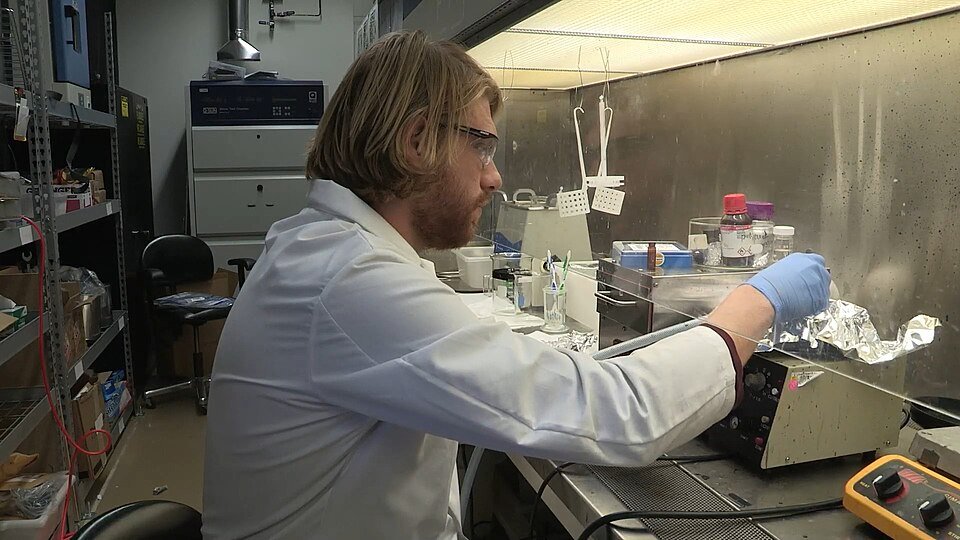
A large observational study presented at the European Society of Cardiology’s annual congress in Munich has linked elevated blood concentrations of the sugar‑alcohol sweetener xylitol to a markedly higher risk of major cardiovascular events. Researchers examined 17,710 participants, comparing the quarter with the highest xylitol levels to the quarter with the lowest. Over a six‑year follow‑up, those in the highest quartile were 57 percent more likely to die, suffer a heart attack or experience a stroke, and even after 30 years the risk remained 18 percent higher. The analysis showed a dose‑response pattern, with risk rising as blood xylitol increased, and the association persisted across age, sex and baseline health factors such as body‑mass index, hypertension, diabetes and lipid profiles.
The findings build on earlier laboratory work indicating that xylitol can enhance platelet clot formation, and they raise concerns about the cardiovascular safety of a sweetener increasingly used in chewing gum, toothpaste, jam, yoghurts, ice‑cream and other processed foods. Dr Marco Witkowski of Charité university hospital, who led the study, emphasized that artificial sweeteners are often perceived as healthier alternatives to sugar and are generally regarded as safe by regulators, yet long‑term data on xylitol’s effects have been scarce. The study’s authors argue that the observed association, independent of traditional risk factors, suggests a need for further investigation, especially as manufacturers continue to add xylitol at levels far exceeding its natural occurrence in foods.
Experts not involved in the research cautioned that, while the study demonstrates a correlation rather than definitive causation, it underscores a gap in knowledge about the heart health implications of widely consumed sweeteners. Prof Dan Atar of the ESC noted the difficulty of inferring causality from observational data but called for additional studies given the public health relevance. Dell Stanford, a senior dietitian with the British Heart Foundation, highlighted that consumers may over‑consume such additives under the impression they are healthier, and urged a broader focus on reducing processed foods and maintaining a balanced diet to protect cardiovascular health.
⚡ Effects Interpreter
🌍World Economylow impact
What this means for you
- ▶A story like this rarely stays local for long in a connected economy.
- ▶Export-heavy economies could see demand wobble as buyers wait and watch.
🏙️Local Economylow impact
What this means for you
- ▶Local suppliers who import goods might pass on any change in costs.
- ▶Prices at your local shops could feel a mild, indirect squeeze from this.
🏦Rates & Bankslow impact
What this means for you
- ▶The cost of borrowing tends to shift gradually rather than in one leap.
- ▶Banks tend to wait and see before nudging the rates they offer.
❤️Healthmedium impact
What this means for you
- ▶A quick chat with a pharmacist can clear up plenty of uncertainty.
- ▶Reassurance from a professional usually goes further than headlines do.
💷Wealthlow impact
What this means for you
- ▶Healthcare or insurance costs might edge up if treatments become common.
- ▶A healthy household budget and a healthy body often go hand in hand.
🏠Housinglow impact
What this means for you
- ▶First-time buyers might keep half an eye on mortgage rates after this.
- ▶First-time buyers watching the market closely may see little change in the short term.
🌍 Effects for your country
The U.S.'s central bank rate currently stands at 3.75%, so a global rates move like this could feed through to local borrowing costs. The U.S.'s economy is growing at 2.3% with inflation at 3.2%, the backdrop this story's effects play out against locally. Housing-market effects like this are usually felt most where mortgage rates track the U.S.'s own central bank rate closely. With the U.S.'s unemployment at 4.4%, personal-finance effects like this land on a labour market that is currently fairly stable. Health-system effects are harder to localise from economic indicators alone — the real impact in the U.S. depends more on local healthcare capacity than the figures above.
The UK's central bank rate currently stands at 3.75%, so a global rates move like this could feed through to local borrowing costs. The UK's economy is growing at 0.8% with inflation at 3.2%, the backdrop this story's effects play out against locally. Housing-market effects like this are usually felt most where mortgage rates track the UK's own central bank rate closely. With the UK's unemployment at 5.6%, personal-finance effects like this land on a labour market that is currently fairly stable. Health-system effects are harder to localise from economic indicators alone — the real impact in the UK depends more on local healthcare capacity than the figures above.
France's central bank rate currently stands at 2%, so a global rates move like this could feed through to local borrowing costs. France's economy is growing at 0.9% with inflation at 1.8%, the backdrop this story's effects play out against locally. Housing-market effects like this are usually felt most where mortgage rates track France's own central bank rate closely. With France's unemployment at 7.9%, personal-finance effects like this land on a labour market that is already under strain. Health-system effects are harder to localise from economic indicators alone — the real impact in France depends more on local healthcare capacity than the figures above.
Romania's central bank rate currently stands at 6.5%, so a global rates move like this could feed through to local borrowing costs. Romania's economy is growing at 0.7% with inflation at 7.8%, the backdrop this story's effects play out against locally. Housing-market effects like this are usually felt most where mortgage rates track Romania's own central bank rate closely. With Romania's unemployment at 6%, personal-finance effects like this land on a labour market that is currently fairly stable. Health-system effects are harder to localise from economic indicators alone — the real impact in Romania depends more on local healthcare capacity than the figures above.
The UAE's central bank rate currently stands at 3.65%, so a global rates move like this could feed through to local borrowing costs. The UAE's economy is growing at 3.1% with inflation at 2.5%, the backdrop this story's effects play out against locally. Housing-market effects like this are usually felt most where mortgage rates track the UAE's own central bank rate closely. Health-system effects are harder to localise from economic indicators alone — the real impact in the UAE depends more on local healthcare capacity than the figures above.