Ed Davey calls for immediate 10p cut to fuel duty
Source: BBC Politics ↗
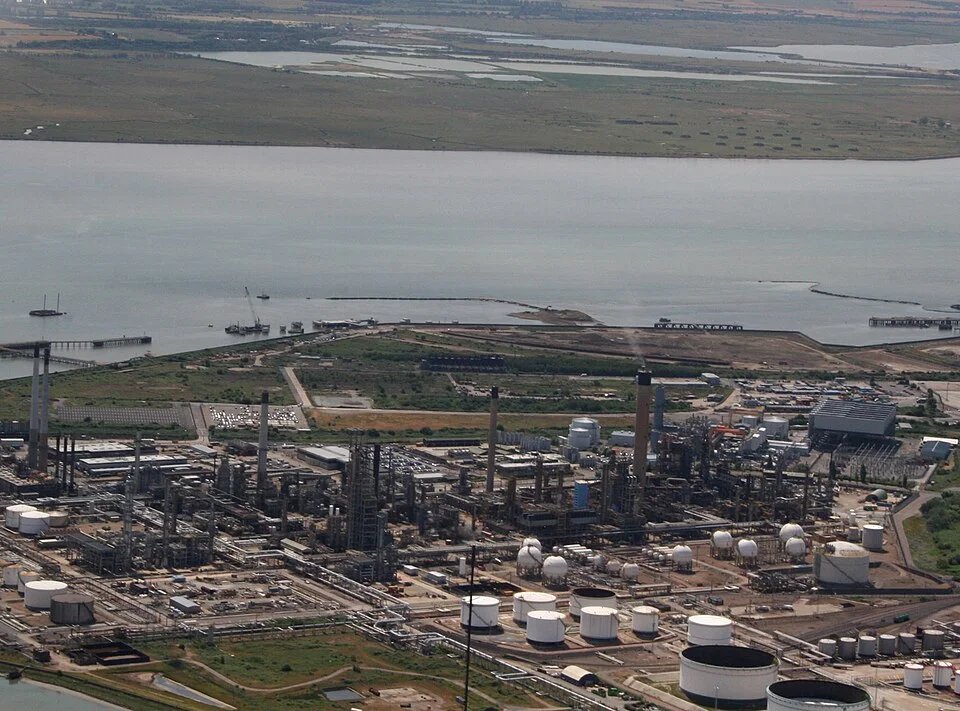
Liberal Democrat leader Sir Ed Davey urged the government to slash fuel duty by 10 p per litre immediately and keep the reduction in place until Christmas, arguing the move would lower pump prices by roughly 12 p per litre and stimulate the economy. He also called for the cancellation of a permanent fuel‑duty rise scheduled for January, adding that a three‑month cut would be self‑financing through higher receipts from the energy profits levy, gas taxes, VAT and fuel duty itself. In his conference speech Davey blamed “Trump’s mad war with Iran” for pushing petrol and diesel prices to multi‑year highs and said drivers need urgent support. The proposal, he claimed, would cost about £2 billion but would pay for itself by boosting economic activity.
The demand for a duty cut comes against a backdrop of recent policy decisions on fuel taxation. The Conservatives froze fuel duty in March 2022, a freeze that Labour’s government under Sir Keir Starmer extended, postponing a planned 3 p increase slated for September until the end of the year. The Lib Dems argue that a temporary 10 p cut would reverse the upward pressure on fuel costs while the government prepares its budget, where Chancellor John Healey faces pressure to either raise taxes or curb spending amid rising borrowing costs. Labour Party chair Bridget Phillipson acknowledged the government’s own fuel‑duty actions but framed the Lib Dems’ call as political posturing ahead of the budget.
Beyond fuel duty, Davey used the conference platform to push a broader cost‑of‑living agenda, proposing a reduction of the bus fare cap from £3 to £1, a 10 % cut to rail fares, the removal of VAT on public electric‑vehicle charging points and a review of what the party calls unfair network costs. He also defended the state‑pension triple lock, rejecting calls from former business secretary Sir Vince Cable to phase it out, and noted that party members were divided on whether the lock should be scrapped if the Lib Dems assume power. The proposals aim to position the Liberal Democrats as a “firewall against Farage” and a radical alternative to the current government, while critics within the party warn of irrelevance if the agenda fails to resonate with voters.
⚡ Effects Interpreter
🌍World Economylow impact
What this means for you
- ▶International partners could recalibrate after moves like this.
- ▶Policy turns can send quiet ripples through the wider economy.
🏙️Local Economylow impact
What this means for you
- ▶Community shops might subtly reprice stock as costs shift upstream.
- ▶Local suppliers who import goods could pass on any change in costs.
🏦Rates & Banksmedium impact
What this means for you
- ▶The cost of borrowing rarely moves on politics alone, but it can add pressure.
- ▶Currency swings triggered by politics can filter into borrowing costs further down the line.
❤️Healthmedium impact
What this means for you
- ▶The strain, if any, tends to show up quietly in everyday life.
- ▶Talking things through with family or friends can ease the load.
💷Wealthmedium impact
What this means for you
- ▶Short-term wobbles like this tend to even out given enough time.
- ▶Steady hands usually come out ahead when news like this breaks.
🏠Housinglow impact
What this means for you
- ▶Anyone selling soon might want a fresh valuation once the dust settles.
- ▶First-time buyers might keep half an eye on mortgage rates after this.
🌍 Effects for your country
The U.S.'s central bank rate currently stands at 3.75%, so a global rates move like this could feed through to local borrowing costs. The U.S.'s economy is growing at 2.3% with inflation at 3.2%, the backdrop this story's effects play out against locally. Housing-market effects like this are usually felt most where mortgage rates track the U.S.'s own central bank rate closely. With the U.S.'s unemployment at 4.4%, personal-finance effects like this land on a labour market that is currently fairly stable. Health-system effects are harder to localise from economic indicators alone — the real impact in the U.S. depends more on local healthcare capacity than the figures above.
The UK's central bank rate currently stands at 3.75%, so a global rates move like this could feed through to local borrowing costs. The UK's economy is growing at 0.8% with inflation at 3.2%, the backdrop this story's effects play out against locally. Housing-market effects like this are usually felt most where mortgage rates track the UK's own central bank rate closely. With the UK's unemployment at 5.6%, personal-finance effects like this land on a labour market that is currently fairly stable. Health-system effects are harder to localise from economic indicators alone — the real impact in the UK depends more on local healthcare capacity than the figures above.
France's central bank rate currently stands at 2%, so a global rates move like this could feed through to local borrowing costs. France's economy is growing at 0.9% with inflation at 1.8%, the backdrop this story's effects play out against locally. Housing-market effects like this are usually felt most where mortgage rates track France's own central bank rate closely. With France's unemployment at 7.9%, personal-finance effects like this land on a labour market that is already under strain. Health-system effects are harder to localise from economic indicators alone — the real impact in France depends more on local healthcare capacity than the figures above.
Romania's central bank rate currently stands at 6.5%, so a global rates move like this could feed through to local borrowing costs. Romania's economy is growing at 0.7% with inflation at 7.8%, the backdrop this story's effects play out against locally. Housing-market effects like this are usually felt most where mortgage rates track Romania's own central bank rate closely. With Romania's unemployment at 6%, personal-finance effects like this land on a labour market that is currently fairly stable. Health-system effects are harder to localise from economic indicators alone — the real impact in Romania depends more on local healthcare capacity than the figures above.
The UAE's central bank rate currently stands at 3.65%, so a global rates move like this could feed through to local borrowing costs. The UAE's economy is growing at 3.1% with inflation at 2.5%, the backdrop this story's effects play out against locally. Housing-market effects like this are usually felt most where mortgage rates track the UAE's own central bank rate closely. Health-system effects are harder to localise from economic indicators alone — the real impact in the UAE depends more on local healthcare capacity than the figures above.