Flu vaccine rollout begins as NHS regroups from 'busiest summer'
Source: BBC Health ↗
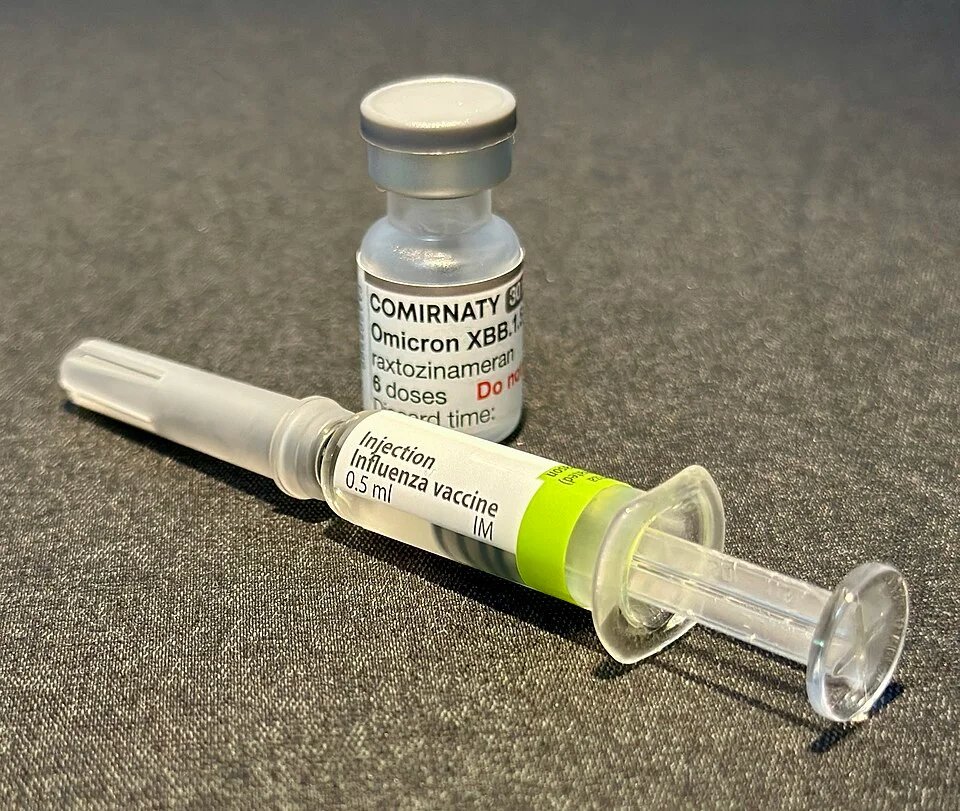
The NHS has begun its annual flu vaccine rollout, with schoolchildren and pregnant women eligible to receive free jabs from Tuesday, followed by other priority groups such as people aged 65 and over who will be invited from October. The current vaccine includes several updates, notably a tweak to better match sub‑clade K of the virus that caused the “Super‑K” strain last winter, a season that arrived more than a month early and strained urgent and emergency services. Children aged two and above receive a nasal spray, while adults are offered an injection, and the vaccine is provided at high‑street pharmacies, GP practices and schools at no cost for those who qualify; non‑eligible individuals can purchase it for roughly £10‑£20.
The rollout comes after a particularly challenging flu season last year, when a newly mutated virus—colloquially dubbed “Super flu”—circulated without existing population immunity, prompting an early and severe outbreak. Experts monitor the southern‑hemisphere flu patterns to gauge the likely impact in the UK; Australia has reported fewer cases than the previous year, whereas New Zealand has experienced higher numbers. Dr Amanda Doyle of NHS England emphasized the need for caution, noting that the unprecedented busy summer has left services under significant pressure and that widespread vaccination is essential to mitigate a repeat of last year’s strain on hospitals.
Beyond the standard influenza protection, the NHS is also expanding its preventive offerings this winter by inviting adults with certain chronic conditions to receive a respiratory syncytial virus (RSV) vaccine at age 65 rather than the previous threshold of 75. The broader vaccination strategy aims to shield vulnerable populations—including carers, the homeless and those with pre‑existing lung disease—from both flu and RSV, thereby reducing hospital admissions and easing the burden on an already stretched health system. Dr Doyle warned that flu can incapacitate anyone, but it poses particular risks to children and pregnant women, who may become seriously ill or require hospitalization, underscoring the importance of taking up the free vaccine when offered.
⚡ Effects Interpreter
🌍World Economymedium impact
What this means for you
- ▶World markets have a habit of reading between the lines of stories like this.
- ▶Investors abroad usually reprice their bets when a story like this lands.
🏙️Local Economylow impact
What this means for you
- ▶Corner shops and cafes rarely feel this straight away, but they do feel it.
- ▶Everyday costs in your town may drift as the wider economy reacts.
🏦Rates & Banksmedium impact
What this means for you
- ▶Central banks watch moments like this closely, so keep an eye on savings rates.
- ▶Base rate decisions are usually made on data trends, not single headlines.
❤️Healthmedium impact
What this means for you
- ▶Looking after body and mind matters when health news feels close.
- ▶A short chat with a pharmacist can clear up plenty of uncertainty.
💷Wealthmedium impact
What this means for you
- ▶Checking what your health insurance actually covers is rarely wasted effort.
- ▶Time off work for health reasons can add up faster than people expect.
🏠Housinglow impact
What this means for you
- ▶The property market tends to move slowly, so expect any change to take time.
- ▶Rental yields in the area might shift only slightly, if at all, from this.
🌍 Effects for your country
The U.S.'s central bank rate currently stands at 3.75%, so a global rates move like this could feed through to local borrowing costs. The U.S.'s economy is growing at 2.3% with inflation at 3.2%, the backdrop this story's effects play out against locally. Housing-market effects like this are usually felt most where mortgage rates track the U.S.'s own central bank rate closely. With the U.S.'s unemployment at 4.4%, personal-finance effects like this land on a labour market that is currently fairly stable. Health-system effects are harder to localise from economic indicators alone — the real impact in the U.S. depends more on local healthcare capacity than the figures above.
The UK's central bank rate currently stands at 3.75%, so a global rates move like this could feed through to local borrowing costs. The UK's economy is growing at 0.8% with inflation at 3.2%, the backdrop this story's effects play out against locally. Housing-market effects like this are usually felt most where mortgage rates track the UK's own central bank rate closely. With the UK's unemployment at 5.6%, personal-finance effects like this land on a labour market that is currently fairly stable. Health-system effects are harder to localise from economic indicators alone — the real impact in the UK depends more on local healthcare capacity than the figures above.
France's central bank rate currently stands at 2%, so a global rates move like this could feed through to local borrowing costs. France's economy is growing at 0.9% with inflation at 1.8%, the backdrop this story's effects play out against locally. Housing-market effects like this are usually felt most where mortgage rates track France's own central bank rate closely. With France's unemployment at 7.9%, personal-finance effects like this land on a labour market that is already under strain. Health-system effects are harder to localise from economic indicators alone — the real impact in France depends more on local healthcare capacity than the figures above.
Romania's central bank rate currently stands at 6.5%, so a global rates move like this could feed through to local borrowing costs. Romania's economy is growing at 0.7% with inflation at 7.8%, the backdrop this story's effects play out against locally. Housing-market effects like this are usually felt most where mortgage rates track Romania's own central bank rate closely. With Romania's unemployment at 6%, personal-finance effects like this land on a labour market that is currently fairly stable. Health-system effects are harder to localise from economic indicators alone — the real impact in Romania depends more on local healthcare capacity than the figures above.
The UAE's central bank rate currently stands at 3.65%, so a global rates move like this could feed through to local borrowing costs. The UAE's economy is growing at 3.1% with inflation at 2.5%, the backdrop this story's effects play out against locally. Housing-market effects like this are usually felt most where mortgage rates track the UAE's own central bank rate closely. Health-system effects are harder to localise from economic indicators alone — the real impact in the UAE depends more on local healthcare capacity than the figures above.