Forget T-maxxing – the manosphere’s obsession with testosterone is just fear-maxxing | Donna Lu
Source: Guardian Health ↗
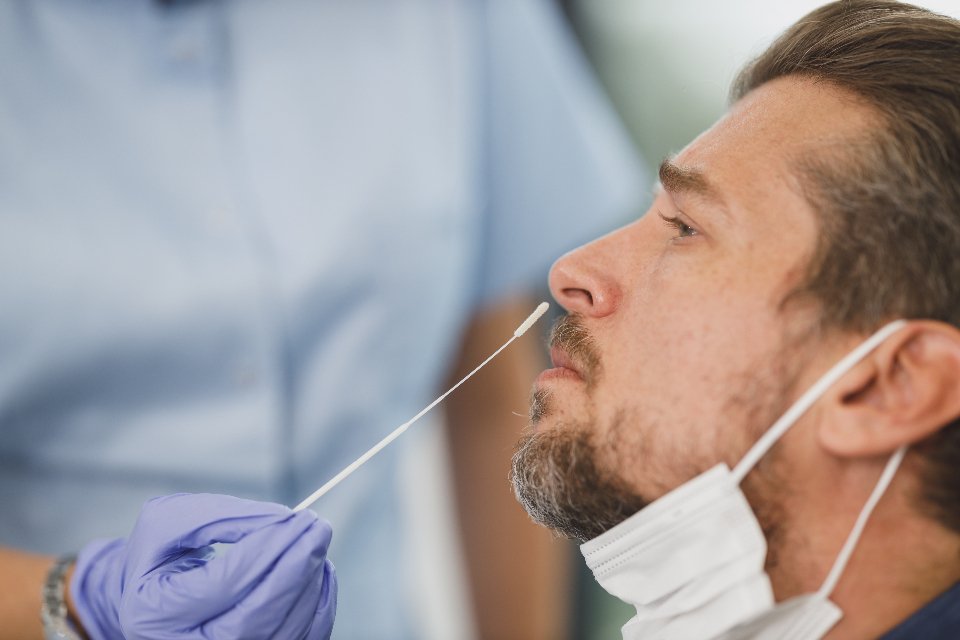
A surge of online hype around “T‑maxxing” has turned testosterone into a cultural flashpoint, with influencers urging men to boost their hormone levels through supplements, injections or gels, while the U.S. defence department recently announced mandatory annual testosterone testing for soldiers over 30. The trend has been fueled by claims that low testosterone underlies a broader masculinity crisis, and global search interest in the term has risen 60 % year‑on‑year. Yet medical experts warn that clinically low testosterone—male hypogonadism—is rare, affecting fewer than two percent of men, and that most men’s hormone levels naturally fluctuate with age, time of day, illness and lifestyle factors.
Research underscores that the “low T” narrative is largely a marketing ploy rather than a medical necessity. A study co‑authored by Dr Brooke Nickel examined 46 high‑engagement social‑media posts from accounts with a combined following of 6.8 million; three‑quarters of these accounts had direct financial stakes in selling testosterone tests or therapies, and none provided scientific evidence for their claims. The posts targeted younger men, a demographic for whom routine screening is medically unwarranted, and leveraged vague symptoms such as fatigue, low mood and poor concentration to stoke fear that testosterone supplementation is the cure. Prof Ada Cheung of the University of Melbourne notes that while average testosterone levels have declined over five decades, the drop remains within normal reference ranges and is likely linked to rising obesity, chronic disease and stress rather than a pervasive hormonal deficiency.
The health risks of unnecessary testosterone use are significant and potentially irreversible. Exogenous testosterone suppresses the body’s natural hormone production and can halt sperm generation, leading to infertility that may take months or years to recover, if at all. Cases like American “looksmaxxer” Braden Peters, who admits infertility from steroid abuse, illustrate the personal costs. Clinicians have reported patients presenting with cardiovascular issues, early heart disease and other complications after unsupervised therapy. As the manosphere continues to equate masculinity with higher testosterone, the medical community cautions that the obsession diverts attention from underlying causes—such as stress, depression, obesity and thyroid disorders—and may expose a large number of men to unnecessary, harmful treatments.
⚡ Effects Interpreter
🌍World Economylow impact
What this means for you
- ▶Confidence among international firms might wobble until the picture clears.
- ▶Cross-border money flows can subtly change direction after events like this.
🏙️Local Economymedium impact
What this means for you
- ▶The cost of a weekly food shop can creep up in the background.
- ▶Your town's economy tends to catch up with big headlines eventually.
🏦Rates & Bankslow impact
What this means for you
- ▶Rate-setters usually take their time digesting this kind of news.
- ▶Fixed and variable borrowers alike might want to keep half an eye on this.
❤️Healthmedium impact
What this means for you
- ▶Reassurance from a professional usually goes further than headlines do.
- ▶Trusted medical advice usually beats speculation when health news breaks.
💷Wealthhigh impact
What this means for you
- ▶A modest emergency fund can cushion any health-related costs.
- ▶Your budget might feel a small health-related nudge over time.
🏠Housinglow impact
What this means for you
- ▶The property ladder rarely wobbles much from a single piece of news.
- ▶Mortgage deals might edge around if lenders read the wider mood.
🌍 Effects for your country
The U.S.'s central bank rate currently stands at 3.75%, so a global rates move like this could feed through to local borrowing costs. The U.S.'s economy is growing at 2.3% with inflation at 3.2%, the backdrop this story's effects play out against locally. Housing-market effects like this are usually felt most where mortgage rates track the U.S.'s own central bank rate closely. With the U.S.'s unemployment at 4.4%, personal-finance effects like this land on a labour market that is currently fairly stable. Health-system effects are harder to localise from economic indicators alone — the real impact in the U.S. depends more on local healthcare capacity than the figures above.
The UK's central bank rate currently stands at 3.75%, so a global rates move like this could feed through to local borrowing costs. The UK's economy is growing at 0.8% with inflation at 3.2%, the backdrop this story's effects play out against locally. Housing-market effects like this are usually felt most where mortgage rates track the UK's own central bank rate closely. With the UK's unemployment at 5.6%, personal-finance effects like this land on a labour market that is currently fairly stable. Health-system effects are harder to localise from economic indicators alone — the real impact in the UK depends more on local healthcare capacity than the figures above.
France's central bank rate currently stands at 2%, so a global rates move like this could feed through to local borrowing costs. France's economy is growing at 0.9% with inflation at 1.8%, the backdrop this story's effects play out against locally. Housing-market effects like this are usually felt most where mortgage rates track France's own central bank rate closely. With France's unemployment at 7.9%, personal-finance effects like this land on a labour market that is already under strain. Health-system effects are harder to localise from economic indicators alone — the real impact in France depends more on local healthcare capacity than the figures above.
Romania's central bank rate currently stands at 6.5%, so a global rates move like this could feed through to local borrowing costs. Romania's economy is growing at 0.7% with inflation at 7.8%, the backdrop this story's effects play out against locally. Housing-market effects like this are usually felt most where mortgage rates track Romania's own central bank rate closely. With Romania's unemployment at 6%, personal-finance effects like this land on a labour market that is currently fairly stable. Health-system effects are harder to localise from economic indicators alone — the real impact in Romania depends more on local healthcare capacity than the figures above.
The UAE's central bank rate currently stands at 3.65%, so a global rates move like this could feed through to local borrowing costs. The UAE's economy is growing at 3.1% with inflation at 2.5%, the backdrop this story's effects play out against locally. Housing-market effects like this are usually felt most where mortgage rates track the UAE's own central bank rate closely. Health-system effects are harder to localise from economic indicators alone — the real impact in the UAE depends more on local healthcare capacity than the figures above.