Inflation leaps to 4% stoking fears of fifth interest rate hike before Christmas
Source: Guardian Econ ↗ (cross-verified by 2 outlets — full list below)
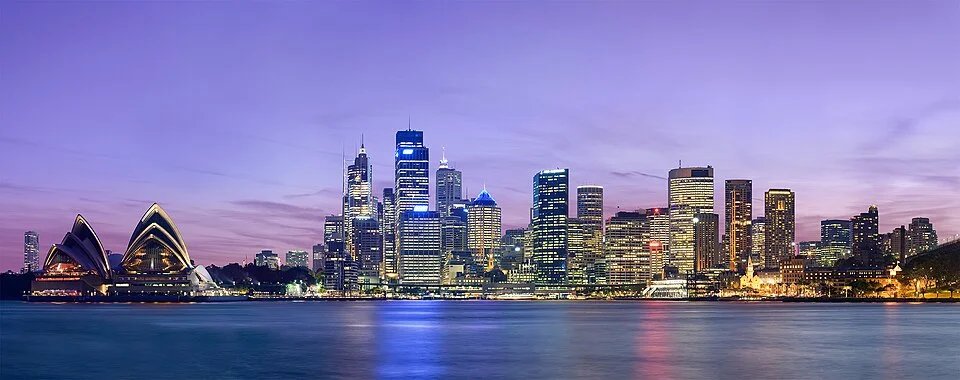
Inflation in Australia rose to 4 percent in the year to August, up from 3.5 percent the month before, prompting renewed speculation that the Reserve Bank of Australia (RBA) may need to implement a fifth interest‑rate increase before Christmas. Treasury Minister Jim Chalmers attributed the jump primarily to higher global oil prices that have filtered through to domestic fuel costs, noting a 15 percent surge in fuel prices in August after the Middle‑East conflict involving the United States, Israel and Iran intensified and the government ended its fuel‑excise cut. The Australian Bureau of Statistics (ABS) confirmed that rising transport costs were the main driver of the month’s price rise, while a 5.4 percent increase in home‑building costs over the preceding 12 months also contributed significantly as builders passed on higher material and labour expenses. Electricity bills were higher than a year earlier, despite households still receiving government rebates, and underlying inflation—excluding volatile items—held steady at 3.6 percent, both figures remaining well above the RBA’s 2.5 percent target.
Economists view the data as a warning sign that another rate hike is likely before year‑end. EY chief economist Cherelle Murphy said a further increase “looks likely by the end of the year,” adding that the RBA now faces “an ongoing fight on their hands” after its latest move to a 4.6 percent cash rate, the fourth rise in 2026. Central bank governor Michele Bullock, speaking the day before Chalmers’ comments, warned that inflation remains too high and is being driven by domestic capacity pressures, the Middle‑East turmoil and a sudden surge in AI‑related spending on data centres, suggesting that price pressures could persist longer than previously expected. Murphy also highlighted that high government spending at both Commonwealth and state levels is adding demand to the economy, cautioning that any new fiscal stimulus, including additional cost‑of‑living relief, could complicate the RBA’s policy path, though she stopped short of quantifying its exact impact.
The convergence of global supply shocks, elevated fuel and construction costs, and robust domestic demand creates a complex inflationary environment. While Chalmers denied any conflict with Bullock, the Treasury’s narrative that government spending is not the primary driver contrasts with Murphy’s assessment that fiscal prudence is essential to avoid further burdening the central bank. The RBA’s next move will affect borrowers, savers and businesses across the economy, with a potential rate hike likely to raise mortgage repayments and corporate financing costs just as households already face higher energy and transport bills. The ongoing Middle‑East conflict and rapid expansion of AI infrastructure remain external variables that could sustain price pressures, meaning policymakers must balance the need to curb inflation against the risk of stalling economic growth as the year draws to a close.
⚡ Effects Interpreter
🌍World Economylow impact
What this means for you
- ▶International lenders could factor this into their next round of forecasts.
- ▶Manufacturing hubs overseas might adjust output if demand signals change.
🏙️Local Economylow impact
What this means for you
- ▶Slight business owners nearby might subtly rework their margins.
- ▶Your council tax and utility bills can indirectly track big economic swings.
🏦Rates & Bankslow impact
What this means for you
- ▶Savers might glance at their account rate — lenders adjust after big events.
- ▶Savings accounts might see their rates nudged only after a broader trend emerges.
❤️Healthmedium impact
What this means for you
- ▶Sleep and appetite can be the first quiet casualties of unsettling news.
- ▶Day-to-day stress can creep up if this starts touching familiar routines.
💷Wealthmedium impact
What this means for you
- ▶Your household's overall financial health matters more than any one day's numbers.
- ▶Any hit to your money is more likely a ripple than a wave.
🏠Housingmedium impact
What this means for you
- ▶Local surveyors often note that sentiment shifts before prices actually do.
- ▶A slow-moving market like housing rarely reacts overnight.
🌍 Effects for your country
The U.S.'s central bank rate currently stands at 3.75%, so a global rates move like this could feed through to local borrowing costs. The U.S.'s economy is growing at 2.3% with inflation at 3.2%, the backdrop this story's effects play out against locally. Housing-market effects like this are usually felt most where mortgage rates track the U.S.'s own central bank rate closely. With the U.S.'s unemployment at 4.4%, personal-finance effects like this land on a labour market that is currently fairly stable. Health-system effects are harder to localise from economic indicators alone — the real impact in the U.S. depends more on local healthcare capacity than the figures above.
The UK's central bank rate currently stands at 3.75%, so a global rates move like this could feed through to local borrowing costs. The UK's economy is growing at 0.8% with inflation at 3.2%, the backdrop this story's effects play out against locally. Housing-market effects like this are usually felt most where mortgage rates track the UK's own central bank rate closely. With the UK's unemployment at 5.6%, personal-finance effects like this land on a labour market that is currently fairly stable. Health-system effects are harder to localise from economic indicators alone — the real impact in the UK depends more on local healthcare capacity than the figures above.
France's central bank rate currently stands at 2%, so a global rates move like this could feed through to local borrowing costs. France's economy is growing at 0.9% with inflation at 1.8%, the backdrop this story's effects play out against locally. Housing-market effects like this are usually felt most where mortgage rates track France's own central bank rate closely. With France's unemployment at 7.9%, personal-finance effects like this land on a labour market that is already under strain. Health-system effects are harder to localise from economic indicators alone — the real impact in France depends more on local healthcare capacity than the figures above.
Romania's central bank rate currently stands at 6.5%, so a global rates move like this could feed through to local borrowing costs. Romania's economy is growing at 0.7% with inflation at 7.8%, the backdrop this story's effects play out against locally. Housing-market effects like this are usually felt most where mortgage rates track Romania's own central bank rate closely. With Romania's unemployment at 6%, personal-finance effects like this land on a labour market that is currently fairly stable. Health-system effects are harder to localise from economic indicators alone — the real impact in Romania depends more on local healthcare capacity than the figures above.
The UAE's central bank rate currently stands at 3.65%, so a global rates move like this could feed through to local borrowing costs. The UAE's economy is growing at 3.1% with inflation at 2.5%, the backdrop this story's effects play out against locally. Housing-market effects like this are usually felt most where mortgage rates track the UAE's own central bank rate closely. Health-system effects are harder to localise from economic indicators alone — the real impact in the UAE depends more on local healthcare capacity than the figures above.