Nepal floods: Two workers pulled alive from tunnel after nine days
Source: France 24 ↗ (cross-verified by 4 outlets — full list below)
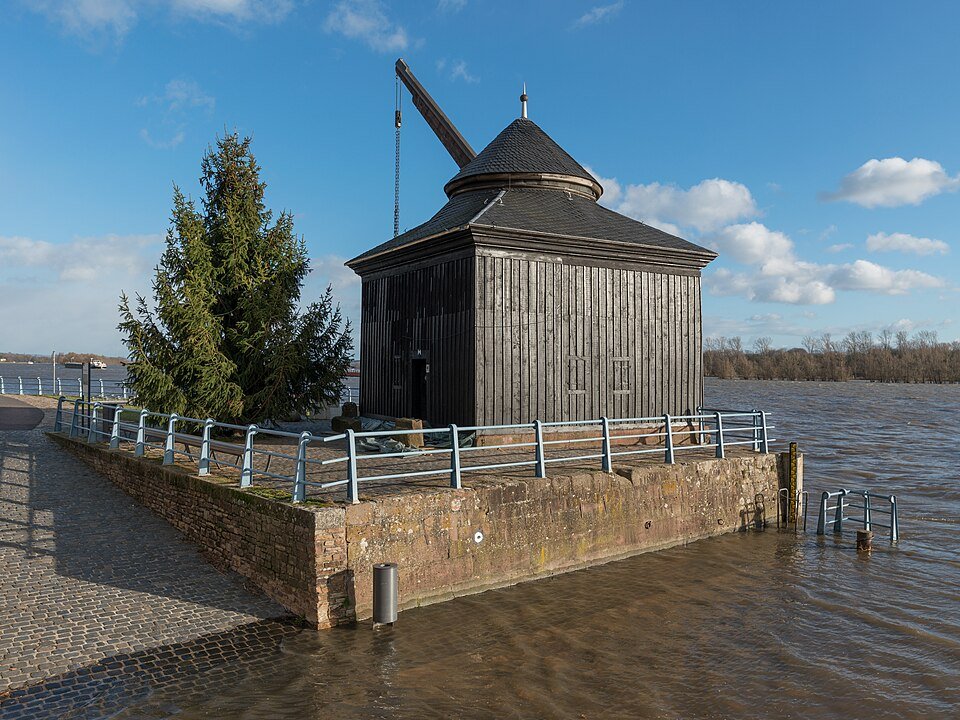
Emergency crews in Nepal rescued two men who had been trapped for nine days inside a mud‑filled hydropower tunnel after the region was devastated by flash flooding along the Nepal‑Tibet border. The workers, whose identities were not disclosed, emerged with injuries to their hands and legs and were immediately airlifted to a hospital in Kathmandu for medical care. Their extraction marks the first successful rescue linked to the catastrophic floods that have claimed more than 1,200 lives.
The flood, which began in early September, inundated vast swaths of the country, destroying infrastructure and leaving countless residents stranded or missing. In the wake of the disaster, authorities have been forced to contend with the massive task of locating and identifying victims, a process that has increasingly relied on DNA testing to confirm identities. The scale of the tragedy has also prompted large‑scale burial operations, with mass graves being prepared in areas such as Bharatpur as bodies continue to wash up from the swollen rivers.
The successful tunnel rescue offers a rare piece of hopeful news amid the ongoing humanitarian crisis, highlighting the dedication of Nepal’s emergency responders despite challenging conditions. The two survivors now face a period of treatment and rehabilitation, while the broader recovery effort continues to focus on providing aid to displaced families, rebuilding damaged hydropower facilities, and addressing the long‑term impacts of the floods on the nation’s infrastructure and economy.
⚡ Effects Interpreter
🌍World Economylow impact
What this means for you
- ▶Trading partners on the other side of the world may feel a distant nudge.
- ▶Markets around the world may take their cue from how this story unfolds.
🏙️Local Economylow impact
What this means for you
- ▶The knock-on for local trade is usually gradual rather than sudden.
- ▶Local suppliers who import goods might pass on any change in costs.
🏦Rates & Bankslow impact
What this means for you
- ▶Your bank is unlikely to act on this alone, but it will be watching.
- ▶A modest drift in borrowing costs is more plausible than a sharp jump.
❤️Healthlow impact
What this means for you
- ▶Community health workers may see extra questions in the days ahead.
- ▶Staying calm and informed tends to help more than worrying alone.
💷Wealthlow impact
What this means for you
- ▶Insurance premiums sometimes drift after news like this.
- ▶Your budget might feel a modest health-related nudge over time.
🏠Housinglow impact
What this means for you
- ▶A patient seller usually fares better than one rushing to react to headlines.
- ▶Mortgage shoppers may find deals shift only slightly in the short term.
🌍 Effects for your country
The U.S.'s central bank rate currently stands at 3.75%, so a global rates move like this could feed through to local borrowing costs. The U.S.'s economy is growing at 2.3% with inflation at 3.2%, the backdrop this story's effects play out against locally. Housing-market effects like this are usually felt most where mortgage rates track the U.S.'s own central bank rate closely. With the U.S.'s unemployment at 4.4%, personal-finance effects like this land on a labour market that is currently fairly stable. Health-system effects are harder to localise from economic indicators alone — the real impact in the U.S. depends more on local healthcare capacity than the figures above.
The UK's central bank rate currently stands at 3.75%, so a global rates move like this could feed through to local borrowing costs. The UK's economy is growing at 0.8% with inflation at 3.2%, the backdrop this story's effects play out against locally. Housing-market effects like this are usually felt most where mortgage rates track the UK's own central bank rate closely. With the UK's unemployment at 5.6%, personal-finance effects like this land on a labour market that is currently fairly stable. Health-system effects are harder to localise from economic indicators alone — the real impact in the UK depends more on local healthcare capacity than the figures above.
France's central bank rate currently stands at 2%, so a global rates move like this could feed through to local borrowing costs. France's economy is growing at 0.9% with inflation at 1.8%, the backdrop this story's effects play out against locally. Housing-market effects like this are usually felt most where mortgage rates track France's own central bank rate closely. With France's unemployment at 7.9%, personal-finance effects like this land on a labour market that is already under strain. Health-system effects are harder to localise from economic indicators alone — the real impact in France depends more on local healthcare capacity than the figures above.
Romania's central bank rate currently stands at 6.5%, so a global rates move like this could feed through to local borrowing costs. Romania's economy is growing at 0.7% with inflation at 7.8%, the backdrop this story's effects play out against locally. Housing-market effects like this are usually felt most where mortgage rates track Romania's own central bank rate closely. With Romania's unemployment at 6%, personal-finance effects like this land on a labour market that is currently fairly stable. Health-system effects are harder to localise from economic indicators alone — the real impact in Romania depends more on local healthcare capacity than the figures above.
The UAE's central bank rate currently stands at 3.65%, so a global rates move like this could feed through to local borrowing costs. The UAE's economy is growing at 3.1% with inflation at 2.5%, the backdrop this story's effects play out against locally. Housing-market effects like this are usually felt most where mortgage rates track the UAE's own central bank rate closely. Health-system effects are harder to localise from economic indicators alone — the real impact in the UAE depends more on local healthcare capacity than the figures above.