Only 3% of US sickle cell patients receive red blood cell exchange for disease, researchers find
Source: Guardian Health ↗
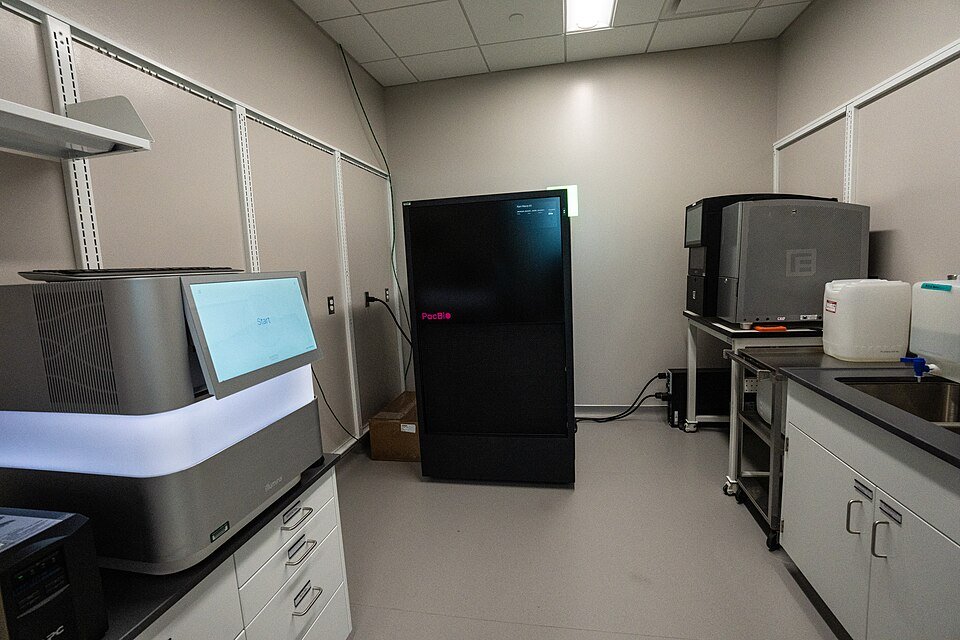
A nationally representative survey of 100 U.S. health‑care providers who actively manage sickle cell disease (SCD) revealed that fewer than three percent of patients have ever received a red blood cell exchange (RCE), despite 91 percent of those providers reporting that the technology is available at their institutions. RCE is a procedure that removes a patient’s sickled red cells while returning the patient’s plasma, platelets and white blood cells mixed with donor red cells, a therapy shown to reduce complications of SCD. The study, led by Dr. Aaron Haubner of the University of Kentucky College of Pharmacy and Terumo BCT, found that only five percent of providers encountered no obstacles in delivering RCE, underscoring a stark gap between theoretical access and real‑world utilization.
The survey identified several systemic barriers that keep the treatment out of reach for most patients. Providers most frequently cited difficulties coordinating care across hematology, transfusion and apheresis departments, limited supplies of donated blood, and a general lack of familiarity with the RCE procedure. Patients themselves expressed concern that insurance would not cover the therapy, a worry amplified by the fact that roughly 80 percent of the SCD population relies on Medicaid and faces broader socioeconomic vulnerabilities. Geographic disparities further compound the problem: many individuals with SCD live in rural Southern states where hospitals lack the specialized equipment and multidisciplinary teams—hematologists, transfusion specialists, nurse educators and care coordinators—required to perform RCE safely and consistently. The lack of dedicated apheresis programs forces patients to travel long distances to centers such as UCSF Benioff Children’s Hospital Oakland, imposing additional hardship on a population already burdened by chronic illness.
Researchers and clinicians argue that expanding the network of comprehensive sickle cell disease centers is essential to bridge these gaps. Dr. Haubner emphasized that “coordinated access to hematologists, transfusion and apheresis specialists, nurse educators, care coordinators, and other support services” is critical, yet such resources are scarce outside of established centers of excellence. Dr. Shannon Kelly, medical director of the apheresis program at UCSF, noted that her hospital frequently receives referrals from other institutions lacking the necessary centrifuge machines and expertise to perform automated RCE, highlighting the uneven distribution of capability across the health system. The authors suggest that greater awareness of National Alliance of Sickle Cell Center guidelines and the creation of provider networks could improve knowledge gaps among clinicians, while increasing the number of dedicated centers would enable more patients to receive this “exciting” yet presently inaccessible therapy, potentially reducing the disease’s morbidity and the socioeconomic toll on affected communities.
⚡ Effects Interpreter
🌍World Economylow impact
What this means for you
- ▶Currency traders elsewhere may start pricing in the fallout within hours.
- ▶The ripples can spread across borders, nudging growth forecasts here and there.
🏙️Local Economylow impact
What this means for you
- ▶Community shops may quietly reprice stock as costs shift upstream.
- ▶Your weekly shop may get a touch dearer, or cheaper, over time.
🏦Rates & Bankslow impact
What this means for you
- ▶Base rate decisions are usually made on data trends, not single headlines.
- ▶Fixed and variable borrowers alike might want to keep half an eye on this.
❤️Healthmedium impact
What this means for you
- ▶Peace of mind often starts with reliable information.
- ▶Reassurance from a professional usually goes further than headlines do.
💷Wealthmedium impact
What this means for you
- ▶Insurance premiums sometimes drift after news like this.
- ▶The financial side of health news is easy to overlook, but it adds up.
🏠Housinglow impact
What this means for you
- ▶A cooling or warming market usually takes months to fully show up in prices.
- ▶First-time buyers might keep half an eye on mortgage rates after this.
🌍 Effects for your country
The U.S.'s central bank rate currently stands at 3.75%, so a global rates move like this could feed through to local borrowing costs. The U.S.'s economy is growing at 2.3% with inflation at 3.2%, the backdrop this story's effects play out against locally. Housing-market effects like this are usually felt most where mortgage rates track the U.S.'s own central bank rate closely. With the U.S.'s unemployment at 4.4%, personal-finance effects like this land on a labour market that is currently fairly stable. Health-system effects are harder to localise from economic indicators alone — the real impact in the U.S. depends more on local healthcare capacity than the figures above.
The UK's central bank rate currently stands at 3.75%, so a global rates move like this could feed through to local borrowing costs. The UK's economy is growing at 0.8% with inflation at 3.2%, the backdrop this story's effects play out against locally. Housing-market effects like this are usually felt most where mortgage rates track the UK's own central bank rate closely. With the UK's unemployment at 5.6%, personal-finance effects like this land on a labour market that is currently fairly stable. Health-system effects are harder to localise from economic indicators alone — the real impact in the UK depends more on local healthcare capacity than the figures above.
France's central bank rate currently stands at 2%, so a global rates move like this could feed through to local borrowing costs. France's economy is growing at 0.9% with inflation at 1.8%, the backdrop this story's effects play out against locally. Housing-market effects like this are usually felt most where mortgage rates track France's own central bank rate closely. With France's unemployment at 7.9%, personal-finance effects like this land on a labour market that is already under strain. Health-system effects are harder to localise from economic indicators alone — the real impact in France depends more on local healthcare capacity than the figures above.
Romania's central bank rate currently stands at 6.5%, so a global rates move like this could feed through to local borrowing costs. Romania's economy is growing at 0.7% with inflation at 7.8%, the backdrop this story's effects play out against locally. Housing-market effects like this are usually felt most where mortgage rates track Romania's own central bank rate closely. With Romania's unemployment at 6%, personal-finance effects like this land on a labour market that is currently fairly stable. Health-system effects are harder to localise from economic indicators alone — the real impact in Romania depends more on local healthcare capacity than the figures above.
The UAE's central bank rate currently stands at 3.65%, so a global rates move like this could feed through to local borrowing costs. The UAE's economy is growing at 3.1% with inflation at 2.5%, the backdrop this story's effects play out against locally. Housing-market effects like this are usually felt most where mortgage rates track the UAE's own central bank rate closely. Health-system effects are harder to localise from economic indicators alone — the real impact in the UAE depends more on local healthcare capacity than the figures above.