Pennsylvania reports apparent third measles-related death amid outbreak
Source: Guardian Health ↗ (cross-verified by 2 outlets — full list below)
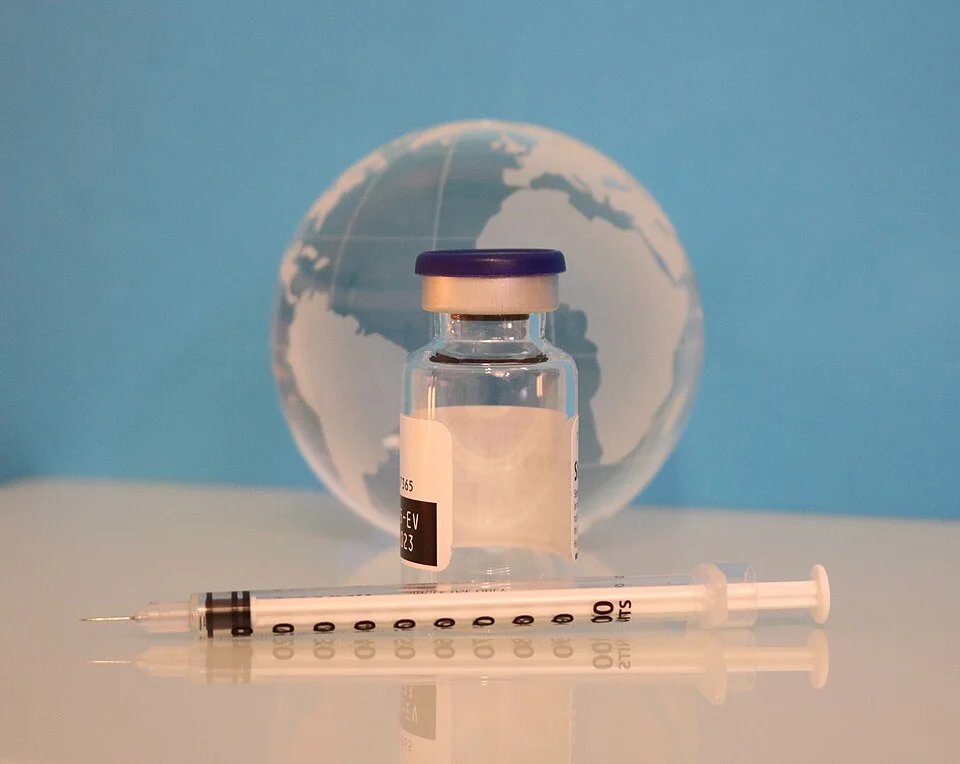
A 40‑year‑old woman died on Saturday in Jefferson County, Pennsylvania, in what officials say is the third measles‑related fatality linked to the state’s ongoing outbreak. The coroner, Jason Stiver, confirmed the death to local media, noting that while measles is commonly thought of as a childhood disease, it can cause severe complications and death in adults as well. The woman’s death follows two earlier infant fatalities this year: one infant born with a genetic defect that heightened susceptibility to infection, and another who succumbed to a ruptured spleen after contracting measles.
The outbreak has now produced nearly 700 confirmed cases across 37 counties, with the highest concentrations in Lancaster and Mifflin counties, areas dominated by large farming communities. Health officials stress that measles remains one of the most contagious diseases, hospitalizing roughly one in five unvaccinated individuals it infects, and causing respiratory or neurologic complications that can be fatal in one to three per 1,000 children. Recent CDC data show a gradual decline in kindergarten vaccination rates for measles, mumps and rubella, a trend attributed partly to the success of the vaccine in reducing visible disease and to misinformation propagated by public figures such as Robert F. Kennedy Jr., who has repeatedly linked vaccines to autism without scientific support.
State health authorities are coordinating with the Jefferson County coroner’s office to investigate the woman’s death, although the latest state health department update released before the incident did not yet reflect the fatality. The deaths have reignited debate over vaccination coverage, especially in communities with low uptake, and underscore the warning from officials that measles should not be dismissed as a harmless childhood illness. The situation continues to be monitored as public health officials urge residents to stay informed, follow guidance, and ensure they and their families are protected against the highly contagious virus.
⚡ Effects Interpreter
🌍World Economylow impact
What this means for you
- ▶Growth projections drawn up in distant capitals could need a rethink.
- ▶The wider trading system tends to absorb shocks like this slowly.
🏙️Local Economylow impact
What this means for you
- ▶Slight businesses nearby might tweak their prices in the weeks ahead.
- ▶Everyday costs in your town could drift as the wider economy reacts.
🏦Rates & Banksmedium impact
What this means for you
- ▶Savings rates can lag behind a story like this by weeks, not days.
- ▶Base rate decisions are usually made on data trends, not single headlines.
❤️Healthlow impact
What this means for you
- ▶Staying calm and informed tends to help more than worrying alone.
- ▶Local health services may steer resources towards this issue.
💷Wealthmedium impact
What this means for you
- ▶Time off work for health reasons can add up faster than people expect.
- ▶Staying well is its own kind of saving.
🏠Housinglow impact
What this means for you
- ▶Buyers and renters may notice only a mild drift, if anything at all.
- ▶Property values usually need more than one headline to really move.
🌍 Effects for your country
The U.S.'s central bank rate currently stands at 3.75%, so a global rates move like this could feed through to local borrowing costs. The U.S.'s economy is growing at 2.3% with inflation at 3.2%, the backdrop this story's effects play out against locally. Housing-market effects like this are usually felt most where mortgage rates track the U.S.'s own central bank rate closely. With the U.S.'s unemployment at 4.4%, personal-finance effects like this land on a labour market that is currently fairly stable. Health-system effects are harder to localise from economic indicators alone — the real impact in the U.S. depends more on local healthcare capacity than the figures above.
The UK's central bank rate currently stands at 3.75%, so a global rates move like this could feed through to local borrowing costs. The UK's economy is growing at 0.8% with inflation at 3.2%, the backdrop this story's effects play out against locally. Housing-market effects like this are usually felt most where mortgage rates track the UK's own central bank rate closely. With the UK's unemployment at 5.6%, personal-finance effects like this land on a labour market that is currently fairly stable. Health-system effects are harder to localise from economic indicators alone — the real impact in the UK depends more on local healthcare capacity than the figures above.
France's central bank rate currently stands at 2%, so a global rates move like this could feed through to local borrowing costs. France's economy is growing at 0.9% with inflation at 1.8%, the backdrop this story's effects play out against locally. Housing-market effects like this are usually felt most where mortgage rates track France's own central bank rate closely. With France's unemployment at 7.9%, personal-finance effects like this land on a labour market that is already under strain. Health-system effects are harder to localise from economic indicators alone — the real impact in France depends more on local healthcare capacity than the figures above.
Romania's central bank rate currently stands at 6.5%, so a global rates move like this could feed through to local borrowing costs. Romania's economy is growing at 0.7% with inflation at 7.8%, the backdrop this story's effects play out against locally. Housing-market effects like this are usually felt most where mortgage rates track Romania's own central bank rate closely. With Romania's unemployment at 6%, personal-finance effects like this land on a labour market that is currently fairly stable. Health-system effects are harder to localise from economic indicators alone — the real impact in Romania depends more on local healthcare capacity than the figures above.
The UAE's central bank rate currently stands at 3.65%, so a global rates move like this could feed through to local borrowing costs. The UAE's economy is growing at 3.1% with inflation at 2.5%, the backdrop this story's effects play out against locally. Housing-market effects like this are usually felt most where mortgage rates track the UAE's own central bank rate closely. Health-system effects are harder to localise from economic indicators alone — the real impact in the UAE depends more on local healthcare capacity than the figures above.