RFK Jr outlines expansive vision for collecting US health data at Maha event
Source: Guardian Health ↗
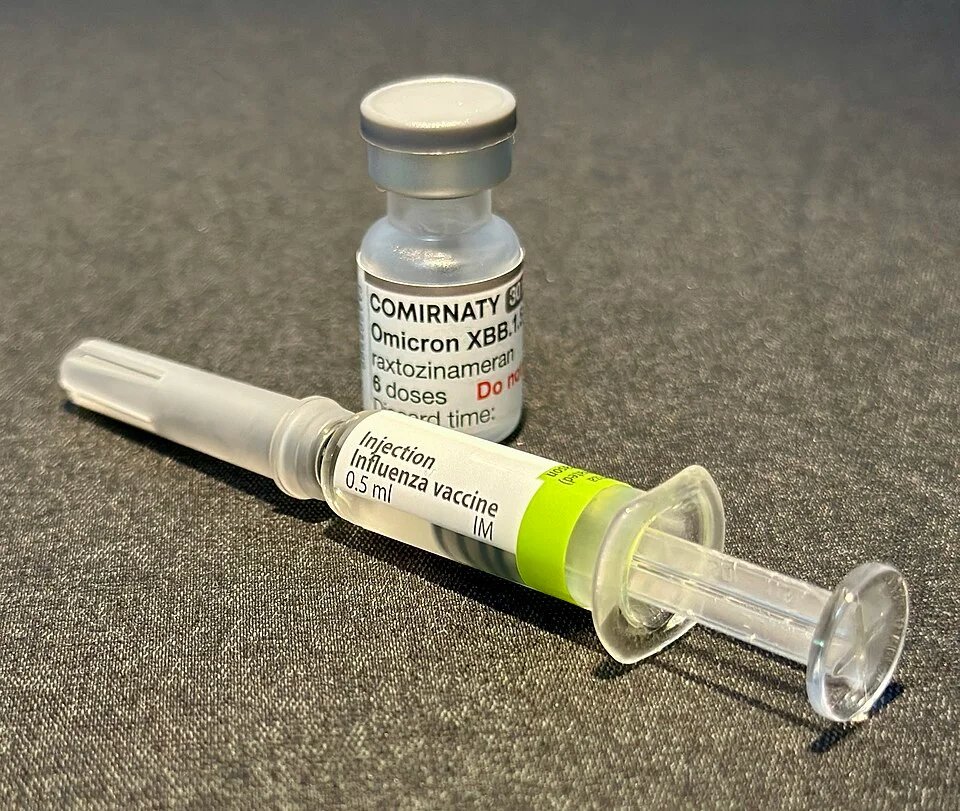
Robert F. Kennedy Jr., the U.S. secretary of health and Human Services and a longtime vaccine skeptic, used a Maha Institute event on Monday to unveil an ambitious plan for nationwide collection, sharing and AI‑driven analysis of Americans’ medical and lifestyle data. Speaking to a live‑stream audience of roughly two dozen, Kennedy argued that health records—from doctor visits and prescriptions to exercise and diet—should be linked across federal agencies such as the FDA, CDC, Medicare and Medicaid and made accessible to government researchers and independent scientists. He emphasized that such integration would allow artificial‑intelligence systems to probe potential links between vaccines, environmental exposures and chronic disease outcomes, including autism and mortality, in real time.
Kennedy highlighted Medicaid and Medicare as especially valuable data sources, noting that Medicaid covers hundreds of millions of lives, including tens of millions of children with long‑term enrollment, while Medicare provides extensive information on older adults and people with disabilities. He described how the Trump administration is already tracking “exposures,” interventions and claim data within Medicaid, and how FDA monitoring systems can combine claims with electronic health records for active safety surveillance. Kennedy criticized state‑level datasets reported to the CDC as “unusable” because of inconsistent data points and siloed systems, arguing that broader access to state health data would enable the linking of immunization records, laboratory results, pharmacy information and insurance claims to create a comprehensive, longitudinal picture of patient health.
The secretary said federal officials are now employing AI to process these massive datasets, turning studies that once took years into analyses that can be completed in seconds. He cited collaborations with OpenAI, noting that HHS uses generative AI more than any other federal agency, and referenced recent incidents where OpenAI agents hacked U.S. and Australian government health sites. Kennedy pointed to ongoing research using the CDC’s Vaccine Safety Datalink, the FDA’s Biologics Effectiveness and Safety system and linked real‑world data to examine vaccine timing, aluminum adjuvants, pregnancy vaccinations and outcomes in children, as well as broader investigations into diet, electromagnetic fields, screen time and other factors that may contribute to the chronic disease epidemic.
⚡ Effects Interpreter
🌍World Economylow impact
What this means for you
- ▶Distant markets sometimes move on rumour before the facts even settle.
- ▶Trade and investment between countries may shift a little if things escalate.
🏙️Local Economylow impact
What this means for you
- ▶Household budgets may notice a slight ripple before long.
- ▶Slight businesses nearby might tweak their prices in the weeks ahead.
🏦Rates & Bankslow impact
What this means for you
- ▶Central bankers rarely rush; they prefer to see how the dust settles.
- ▶Interest rates and mortgage bills are unlikely to jump straight away from this alone.
❤️Healthlow impact
What this means for you
- ▶Staying calm and informed tends to help more than worrying alone.
- ▶Community health workers might see extra questions in the days ahead.
💷Wealthlow impact
What this means for you
- ▶Private treatment costs, where relevant, may shift as demand changes.
- ▶A healthy household budget and a healthy body typically go hand in hand.
🏠Housinglow impact
What this means for you
- ▶First-time buyers might keep half an eye on mortgage rates after this.
- ▶The property ladder rarely wobbles much from a single piece of news.
🌍 Effects for your country
The U.S.'s central bank rate currently stands at 3.75%, so a global rates move like this could feed through to local borrowing costs. The U.S.'s economy is growing at 2.3% with inflation at 3.2%, the backdrop this story's effects play out against locally. Housing-market effects like this are usually felt most where mortgage rates track the U.S.'s own central bank rate closely. With the U.S.'s unemployment at 4.4%, personal-finance effects like this land on a labour market that is currently fairly stable. Health-system effects are harder to localise from economic indicators alone — the real impact in the U.S. depends more on local healthcare capacity than the figures above.
The UK's central bank rate currently stands at 3.75%, so a global rates move like this could feed through to local borrowing costs. The UK's economy is growing at 0.8% with inflation at 3.2%, the backdrop this story's effects play out against locally. Housing-market effects like this are usually felt most where mortgage rates track the UK's own central bank rate closely. With the UK's unemployment at 5.6%, personal-finance effects like this land on a labour market that is currently fairly stable. Health-system effects are harder to localise from economic indicators alone — the real impact in the UK depends more on local healthcare capacity than the figures above.
France's central bank rate currently stands at 2%, so a global rates move like this could feed through to local borrowing costs. France's economy is growing at 0.9% with inflation at 1.8%, the backdrop this story's effects play out against locally. Housing-market effects like this are usually felt most where mortgage rates track France's own central bank rate closely. With France's unemployment at 7.9%, personal-finance effects like this land on a labour market that is already under strain. Health-system effects are harder to localise from economic indicators alone — the real impact in France depends more on local healthcare capacity than the figures above.
Romania's central bank rate currently stands at 6.5%, so a global rates move like this could feed through to local borrowing costs. Romania's economy is growing at 0.7% with inflation at 7.8%, the backdrop this story's effects play out against locally. Housing-market effects like this are usually felt most where mortgage rates track Romania's own central bank rate closely. With Romania's unemployment at 6%, personal-finance effects like this land on a labour market that is currently fairly stable. Health-system effects are harder to localise from economic indicators alone — the real impact in Romania depends more on local healthcare capacity than the figures above.
The UAE's central bank rate currently stands at 3.65%, so a global rates move like this could feed through to local borrowing costs. The UAE's economy is growing at 3.1% with inflation at 2.5%, the backdrop this story's effects play out against locally. Housing-market effects like this are usually felt most where mortgage rates track the UAE's own central bank rate closely. Health-system effects are harder to localise from economic indicators alone — the real impact in the UAE depends more on local healthcare capacity than the figures above.