Russians vote in final day of parliamentary elections
Source: Euronews ↗ (cross-verified by 2 outlets — full list below)
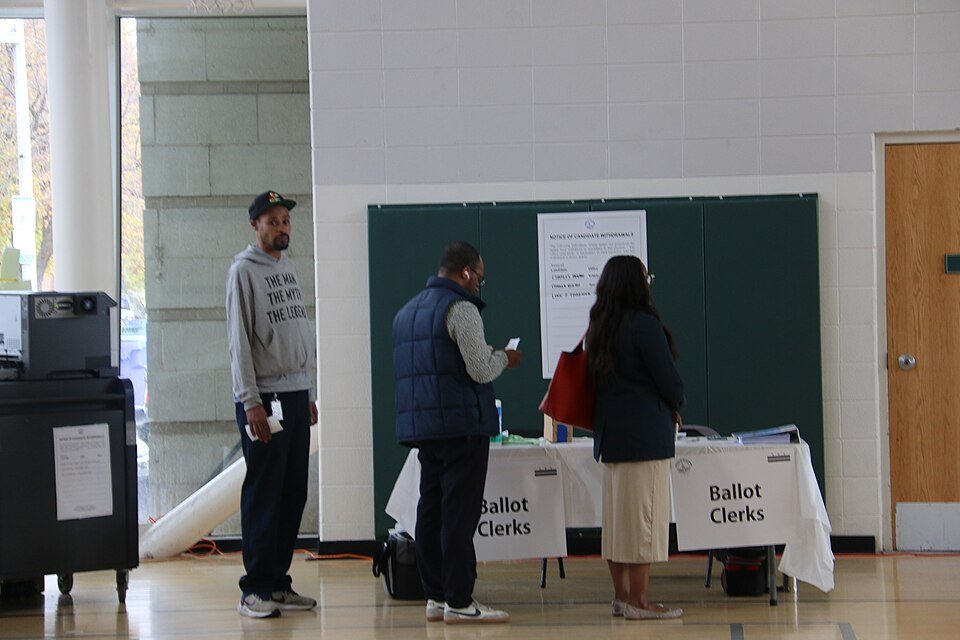
Russians are casting their ballots on Sunday, the final day of the 2026 parliamentary elections, with the pro‑Putin United Russia party expected to secure another victory after having won every Duma contest since 2003. The election is the first held since Moscow’s full‑scale invasion of Ukraine in February 2022, offering a potential gauge of domestic sentiment toward the war. Opposition to the conflict has been further constrained: in August, the Supreme Court removed the Yabloko party— the sole anti‑war political force—from the ballot, though some of its candidates may still run as independents in individual districts. Yabloko co‑founder Grigory Yavlinsky condemned the move, pledging an appeal and emphasizing the party’s stance for a ceasefire, diplomacy and nuclear‑war prevention. On the eve of voting, a Yabloko election observer in St. Petersburg reported losing consciousness after being “subjected to force” by police, and the party accused authorities of denying its monitors access to polling stations and restricting their movement.
The election has unfolded amid a wave of cyber and physical attacks that officials say aim to disrupt the vote. Ella Pamfilova, chair of the Central Election Commission, disclosed that more than 1,000 distributed denial‑of‑service attacks targeted election infrastructure in recent days, describing the impact as “very high” and attributing the assaults to “highly professional, well‑coordinated groups using artificial intelligence tools.” Simultaneously, Moscow experienced its “largest‑scale attack” since the war began, with Governor Sergey Sobyanin reporting that Russian air defences have downed over 1,600 drones nationwide since Saturday, including 450 heading toward the capital. Several drones struck a Moscow refinery and a residential building, though no fatalities were reported there; in the broader Moscow Oblast, two people were killed, according to Governor Andrey Vorobyov.
Ukrainian officials have claimed responsibility for the recent strikes, with President Volodymyr Zelenskyy confirming attacks on a key oil facility and a logistics hub in the Moscow region. He framed the operations as a response to Russia’s intensified campaign, noting that Moscow has launched more than 2,000 attack drones, 1,700 aerial bombs and 19 missiles against Ukraine in the same week. Sobyanin accused Kyiv of attempting to “disrupt” the elections, linking the drone barrage directly to the voting process. The convergence of electoral proceedings, suppression of anti‑war voices, and coordinated cyber‑physical assaults underscores the heightened stakes of Russia’s political landscape as the Duma’s 450 seats are filled.
⚡ Effects Interpreter
🌍World Economylow impact
What this means for you
- ▶Trading partners on the other side of the world might feel a distant nudge.
- ▶Global supply chains might feel a modest tremor as businesses adjust.
🏙️Local Economylow impact
What this means for you
- ▶Household budgets may notice a slight ripple in due course.
- ▶Everyday essentials might nudge in price as suppliers adjust.
🏦Rates & Bankslow impact
What this means for you
- ▶Base rate decisions are usually made on data trends, not single headlines.
- ▶A change in the cost of money, if it comes, will likely arrive gradually.
❤️Healthmedium impact
What this means for you
- ▶Some people feel this news more keenly than others, and that's worth acknowledging.
- ▶The strain, if any, tends to show up subtly in everyday life.
💷Wealthmedium impact
What this means for you
- ▶Savers with a clear plan tend to feel less rattled by a story like this.
- ▶Diversified savings usually cushion the blow from stories like this.
🏠Housinglow impact
What this means for you
- ▶Bricks and mortar tend to hold steady while other markets swing about.
- ▶First-time buyers might keep half an eye on mortgage rates after this.
🌍 Effects for your country
The U.S.'s central bank rate currently stands at 3.75%, so a global rates move like this could feed through to local borrowing costs. The U.S.'s economy is growing at 2.3% with inflation at 3.2%, the backdrop this story's effects play out against locally. Housing-market effects like this are usually felt most where mortgage rates track the U.S.'s own central bank rate closely. With the U.S.'s unemployment at 4.4%, personal-finance effects like this land on a labour market that is currently fairly stable. Health-system effects are harder to localise from economic indicators alone — the real impact in the U.S. depends more on local healthcare capacity than the figures above.
The UK's central bank rate currently stands at 3.75%, so a global rates move like this could feed through to local borrowing costs. The UK's economy is growing at 0.8% with inflation at 3.2%, the backdrop this story's effects play out against locally. Housing-market effects like this are usually felt most where mortgage rates track the UK's own central bank rate closely. With the UK's unemployment at 5.6%, personal-finance effects like this land on a labour market that is currently fairly stable. Health-system effects are harder to localise from economic indicators alone — the real impact in the UK depends more on local healthcare capacity than the figures above.
France's central bank rate currently stands at 2%, so a global rates move like this could feed through to local borrowing costs. France's economy is growing at 0.9% with inflation at 1.8%, the backdrop this story's effects play out against locally. Housing-market effects like this are usually felt most where mortgage rates track France's own central bank rate closely. With France's unemployment at 7.9%, personal-finance effects like this land on a labour market that is already under strain. Health-system effects are harder to localise from economic indicators alone — the real impact in France depends more on local healthcare capacity than the figures above.
Romania's central bank rate currently stands at 6.5%, so a global rates move like this could feed through to local borrowing costs. Romania's economy is growing at 0.7% with inflation at 7.8%, the backdrop this story's effects play out against locally. Housing-market effects like this are usually felt most where mortgage rates track Romania's own central bank rate closely. With Romania's unemployment at 6%, personal-finance effects like this land on a labour market that is currently fairly stable. Health-system effects are harder to localise from economic indicators alone — the real impact in Romania depends more on local healthcare capacity than the figures above.
The UAE's central bank rate currently stands at 3.65%, so a global rates move like this could feed through to local borrowing costs. The UAE's economy is growing at 3.1% with inflation at 2.5%, the backdrop this story's effects play out against locally. Housing-market effects like this are usually felt most where mortgage rates track the UAE's own central bank rate closely. Health-system effects are harder to localise from economic indicators alone — the real impact in the UAE depends more on local healthcare capacity than the figures above.