SEC Issues “Innovation Exemption” to Facilitate the Trading of Tokenized NMS Stock and Request for Comment
Source: SEC Enforcement ↗ (cross-verified by 2 outlets — full list below)
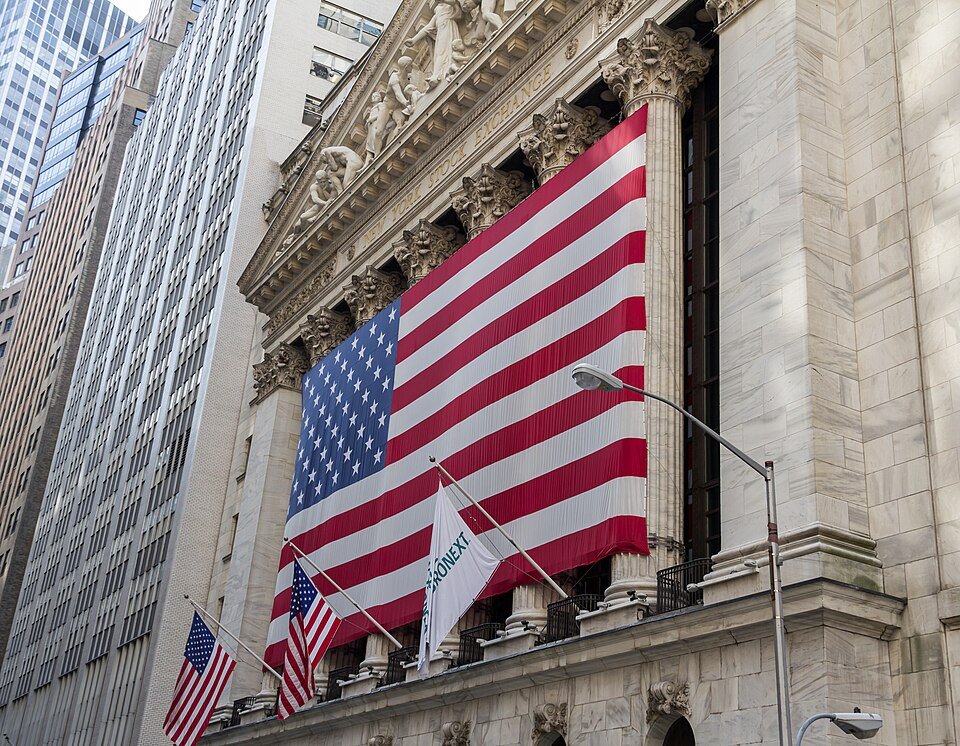
The U.S. Securities and Exchange Commission issued an order granting temporary, conditional exemptive relief to entities known as Tokenized Securities Venues (TSVs), removing them from the definition of “exchange” under the Securities Exchange Act of 1934 so they can trade tokenized National Market System (NMS) stocks using permissioned automated market makers and liquidity pools (AMM Liquidity Pools). SEC Chairman Paul S. Atkins highlighted the move as a significant step toward modernizing America’s capital markets by enabling on‑chain trading of certain tokenized stocks, while the agency invites public comment to shape future regulatory actions. The exemption also extends conditionally to liquidity providers within these AMM pools, shielding them from the “dealer” definition for up to five years after publication.
The relief is designed to foster innovation while protecting investors, imposing conditions that require TSVs to set standards for participant access and to operate in a permissioned environment that aligns with public‑interest goals. By allowing TSVs to function outside traditional exchange and dealer classifications, the SEC aims to test a framework for on‑chain secondary trading while it evaluates whether additional regulatory measures are needed. The order explicitly solicits feedback on possible modifications to the exemption and on next steps, signaling that the agency views this as an experimental phase rather than a permanent regulatory shift.
The SEC will publish the order on its website and in the Federal Register, and it will remain in effect for five years unless altered by further rulemaking. Market participants, investors, and interested parties are encouraged to submit comments, which will inform the Commission’s ongoing assessment of how best to integrate tokenized securities into the broader market infrastructure. The agency’s Division of Trading and Markets, led by Jamie Selway, stands ready to engage with entities seeking to operate TSVs and to address questions from investors, indicating a proactive approach to overseeing this emerging trading model.
⚡ Effects Interpreter
🌍World Economymedium impact
What this means for you
- ▶Currencies can shift on news like this, changing the cost of holidays and imports.
- ▶Markets usually move first and ask questions later after headlines like these.
🏙️Local Economylow impact
What this means for you
- ▶The knock-on for local trade is usually gradual rather than sudden.
- ▶The high street usually mirrors big-picture shifts, just a little down the road.
🏦Rates & Bankslow impact
What this means for you
- ▶Financial markets sometimes overreact to rate speculation before banks even respond.
- ▶Savers might glance at their account rate — lenders adjust after big events.
❤️Healthhigh impact
What this means for you
- ▶Local surgeries and clinics might see a short-lived rise in enquiries.
- ▶Being kind to yourself matters just as much as staying informed.
💷Wealthlow impact
What this means for you
- ▶Traders' mood can move your investments before the week is out.
- ▶It might be a day to check, but rarely a day to panic, over your portfolio.
🏠Housinglow impact
What this means for you
- ▶Buyers and renters might notice only a gentle drift, if anything at all.
- ▶First-time buyers might keep half an eye on mortgage rates after this.
🌍 Effects for your country
The U.S.'s central bank rate currently stands at 3.75%, so a global rates move like this could feed through to local borrowing costs. The U.S.'s economy is growing at 2.3% with inflation at 3.2%, the backdrop this story's effects play out against locally. Housing-market effects like this are usually felt most where mortgage rates track the U.S.'s own central bank rate closely. With the U.S.'s unemployment at 4.4%, personal-finance effects like this land on a labour market that is currently fairly stable. Health-system effects are harder to localise from economic indicators alone — the real impact in the U.S. depends more on local healthcare capacity than the figures above.
The UK's central bank rate currently stands at 3.75%, so a global rates move like this could feed through to local borrowing costs. The UK's economy is growing at 0.8% with inflation at 3.2%, the backdrop this story's effects play out against locally. Housing-market effects like this are usually felt most where mortgage rates track the UK's own central bank rate closely. With the UK's unemployment at 5.6%, personal-finance effects like this land on a labour market that is currently fairly stable. Health-system effects are harder to localise from economic indicators alone — the real impact in the UK depends more on local healthcare capacity than the figures above.
France's central bank rate currently stands at 2%, so a global rates move like this could feed through to local borrowing costs. France's economy is growing at 0.9% with inflation at 1.8%, the backdrop this story's effects play out against locally. Housing-market effects like this are usually felt most where mortgage rates track France's own central bank rate closely. With France's unemployment at 7.9%, personal-finance effects like this land on a labour market that is already under strain. Health-system effects are harder to localise from economic indicators alone — the real impact in France depends more on local healthcare capacity than the figures above.
Romania's central bank rate currently stands at 6.5%, so a global rates move like this could feed through to local borrowing costs. Romania's economy is growing at 0.7% with inflation at 7.8%, the backdrop this story's effects play out against locally. Housing-market effects like this are usually felt most where mortgage rates track Romania's own central bank rate closely. With Romania's unemployment at 6%, personal-finance effects like this land on a labour market that is currently fairly stable. Health-system effects are harder to localise from economic indicators alone — the real impact in Romania depends more on local healthcare capacity than the figures above.
The UAE's central bank rate currently stands at 3.65%, so a global rates move like this could feed through to local borrowing costs. The UAE's economy is growing at 3.1% with inflation at 2.5%, the backdrop this story's effects play out against locally. Housing-market effects like this are usually felt most where mortgage rates track the UAE's own central bank rate closely. Health-system effects are harder to localise from economic indicators alone — the real impact in the UAE depends more on local healthcare capacity than the figures above.