Shein shares slide in long-awaited stock market debut
Source: BBC World ↗ (cross-verified by 3 outlets — full list below)
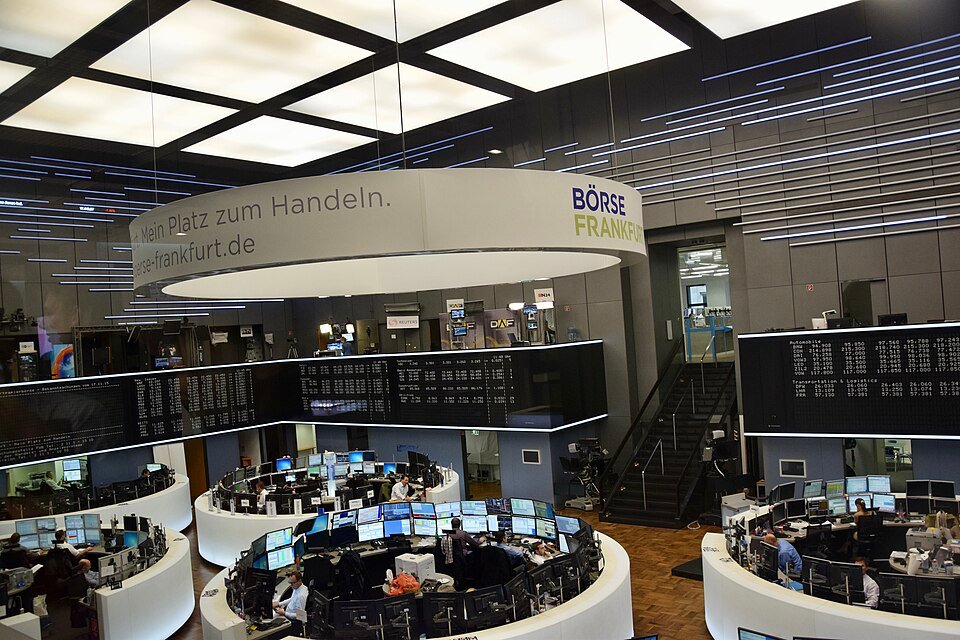
Shein’s highly anticipated Hong Kong listing on Tuesday saw its shares tumble, closing 8.7 % lower at HK$44.4 after the company priced the offering at HK$48.56 and raised HK$13.6 billion ($1.7 billion). The fast‑fashion giant, founded in China in 2008 and now headquartered in Singapore, finally went public after failed attempts to list in the United States and the United Kingdom, where lawmakers and regulators raised concerns about forced‑labour practices, environmental impact and alleged design infringement. Chief financial officer Leigh Gui highlighted the firm’s “large‑number, small‑order” model that now reaches about 160 markets, while the debut marked the largest new share sale in Hong Kong this year.
The market’s lukewarm response reflects broader doubts about Shein’s growth prospects amid rising costs, heightened regulatory scrutiny and intensifying competition from rivals such as ASOS and Boohoo. Analysts note that investors are shifting toward technology firms and remain skeptical of the sustainability of Shein’s ultra‑low‑price strategy, warning that the share slump could foreshadow higher prices for consumers. The company, which reported more than 273 million active customers and over a billion orders in the year to March 2026, also disclosed a $99 million quarterly loss after the United States revoked an import‑duty exemption for small packages, further straining its margins.
The Hong Kong debut underscores the geopolitical and regulatory challenges Chinese‑origin companies face when seeking Western capital, with Hong Kong emerging as a primary gateway after Beijing and foreign exchanges closed doors. Shein’s founder Xu Yangtian made a rare public appearance in Guangdong, pledging continued investment in China’s garment sector and emphasizing the “inseparable” link between the firm and its domestic supply chain. Industry observers see the listing as a test of investor appetite for a standalone e‑commerce business and a bellwether for the fast‑fashion sector’s future, as sustainability and ethical concerns increasingly shape market sentiment.
⚡ Effects Interpreter
🌍World Economymedium impact
What this means for you
- ▶Ripples can spread from one exchange to the next within hours.
- ▶Commodity and stock desks tend to react almost at once.
🏙️Local Economymedium impact
What this means for you
- ▶The cost of a weekly food shop can creep up in the background.
- ▶The high street usually mirrors big-picture shifts, just a touch down the road.
🏦Rates & Banksmedium impact
What this means for you
- ▶Savings rates can lag behind this kind of news by weeks, not days.
- ▶Watching how currency markets react can hint at where rates head next.
❤️Healthmedium impact
What this means for you
- ▶News like this can nibble at everyday calm more than people expect.
- ▶Support networks, formal or informal, tend to matter most in moments like this.
💷Wealthlow impact
What this means for you
- ▶It's tempting to watch the ticker, but patience typically pays off more.
- ▶Your shares ISA or pension might see a quick gain or dip today.
🏠Housinglow impact
What this means for you
- ▶A patient seller usually fares better than one rushing to react to headlines.
- ▶Any effect on bricks and mortar is likely to be slow and modest.
🌍 Effects for your country
The U.S.'s central bank rate currently stands at 3.75%, so a global rates move like this could feed through to local borrowing costs. The U.S.'s economy is growing at 2.3% with inflation at 3.2%, the backdrop this story's effects play out against locally. Housing-market effects like this are usually felt most where mortgage rates track the U.S.'s own central bank rate closely. With the U.S.'s unemployment at 4.4%, personal-finance effects like this land on a labour market that is currently fairly stable. Health-system effects are harder to localise from economic indicators alone — the real impact in the U.S. depends more on local healthcare capacity than the figures above.
The UK's central bank rate currently stands at 3.75%, so a global rates move like this could feed through to local borrowing costs. The UK's economy is growing at 0.8% with inflation at 3.2%, the backdrop this story's effects play out against locally. Housing-market effects like this are usually felt most where mortgage rates track the UK's own central bank rate closely. With the UK's unemployment at 5.6%, personal-finance effects like this land on a labour market that is currently fairly stable. Health-system effects are harder to localise from economic indicators alone — the real impact in the UK depends more on local healthcare capacity than the figures above.
France's central bank rate currently stands at 2%, so a global rates move like this could feed through to local borrowing costs. France's economy is growing at 0.9% with inflation at 1.8%, the backdrop this story's effects play out against locally. Housing-market effects like this are usually felt most where mortgage rates track France's own central bank rate closely. With France's unemployment at 7.9%, personal-finance effects like this land on a labour market that is already under strain. Health-system effects are harder to localise from economic indicators alone — the real impact in France depends more on local healthcare capacity than the figures above.
Romania's central bank rate currently stands at 6.5%, so a global rates move like this could feed through to local borrowing costs. Romania's economy is growing at 0.7% with inflation at 7.8%, the backdrop this story's effects play out against locally. Housing-market effects like this are usually felt most where mortgage rates track Romania's own central bank rate closely. With Romania's unemployment at 6%, personal-finance effects like this land on a labour market that is currently fairly stable. Health-system effects are harder to localise from economic indicators alone — the real impact in Romania depends more on local healthcare capacity than the figures above.
The UAE's central bank rate currently stands at 3.65%, so a global rates move like this could feed through to local borrowing costs. The UAE's economy is growing at 3.1% with inflation at 2.5%, the backdrop this story's effects play out against locally. Housing-market effects like this are usually felt most where mortgage rates track the UAE's own central bank rate closely. Health-system effects are harder to localise from economic indicators alone — the real impact in the UAE depends more on local healthcare capacity than the figures above.