Smoke and flight delays at Riyadh airport after air raid alert
Source: Politico EU ↗
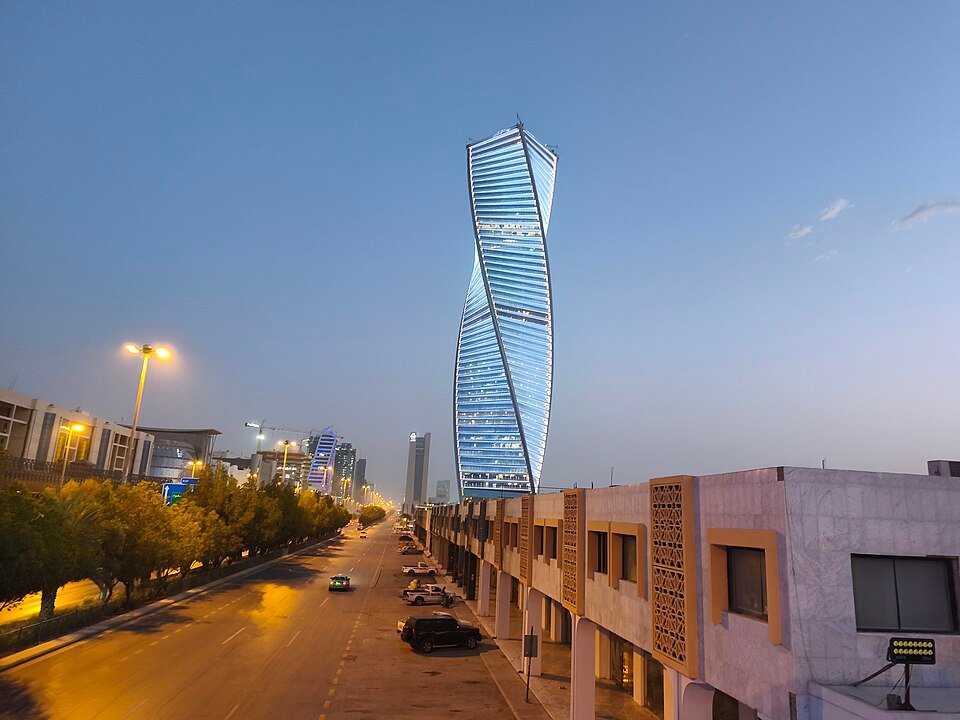
An overnight air‑raid alert in Saudi Arabia’s capital triggered a visible plume of black smoke and reported explosions near Riyadh’s King Khalid International Airport on Saturday. Residents near the airport heard the blasts before Saudi civil‑defence officials declared an all‑clear later that morning. Reuters video captured thick, dark smoke and flames billowing from the vicinity of the airfield, prompting the flight‑tracking service FlightRadar24 to assign the airport a Level 5 disruption rating, signalling a very high probability of flight delays or cancellations. Saudi authorities have not provided an official comment, and requests for statements from the Ministry of Defense and airport officials went unanswered.
The alert came amid a sharp escalation in hostilities between Saudi Arabia and Yemen’s Iran‑backed Houthi rebels, who have recently intensified their maritime campaign in the Red Sea region. In the preceding week the Houthis seized the strategic Bab el‑Mandeb strait’s Red Sea port of Mokha and Mayyun Island, and later claimed control of the Greater and Lesser Hanish islands, though those claims remain unverified. The strait, roughly 30 kilometres wide, handles about 8.7 percent of global seaborne trade, underscoring the broader economic stakes of the conflict. Saudi Crown Prince Mohammed bin Salman reportedly phoned U.S. President Donald Trump twice last week to request American strikes against Houthi positions, but Washington has so far declined direct military involvement.
The immediate impact of the alert was a disruption to air travel through Riyadh, a major hub for both domestic and international flights, potentially affecting thousands of passengers and cargo movements. The incident also highlights the expanding reach of the Houthi campaign, which now threatens not only maritime routes but also critical infrastructure within Saudi territory. As regional tensions rise, the lack of official Saudi commentary leaves uncertainty about the security measures being taken, while the continued absence of U.S. military response may influence future diplomatic and strategic calculations by both Riyadh and its allies.
⚡ Effects Interpreter
🌍World Economymedium impact
What this means for you
- ▶Policy turns can send quiet ripples through the wider economy.
- ▶Global businesses tend to hedge their bets when politics gets unpredictable.
🏙️Local Economylow impact
What this means for you
- ▶Slight firms on your street could pass costs on cautiously, bit by bit.
- ▶The knock-on for local trade is usually gradual rather than sudden.
🏦Rates & Bankslow impact
What this means for you
- ▶A period of political uncertainty usually means a period of rate caution.
- ▶Savers could see little change until the wider picture becomes clearer.
❤️Healthmedium impact
What this means for you
- ▶Support networks, formal or informal, tend to matter most in moments like this.
- ▶Public health messaging can go a long way toward easing collective worry.
💷Wealthmedium impact
What this means for you
- ▶Time in the market usually matters more than timing the market around news like this.
- ▶A quiet review of where your savings sit rarely does any harm.
🏠Housinglow impact
What this means for you
- ▶Housing chains involving multiple buyers can be sensitive to any wider wobble.
- ▶Mortgage deals might edge around if lenders read the wider mood.
🌍 Effects for your country
The U.S.'s central bank rate currently stands at 3.75%, so a global rates move like this could feed through to local borrowing costs. The U.S.'s economy is growing at 2.3% with inflation at 3.2%, the backdrop this story's effects play out against locally. Housing-market effects like this are usually felt most where mortgage rates track the U.S.'s own central bank rate closely. With the U.S.'s unemployment at 4.4%, personal-finance effects like this land on a labour market that is currently fairly stable. Health-system effects are harder to localise from economic indicators alone — the real impact in the U.S. depends more on local healthcare capacity than the figures above.
The UK's central bank rate currently stands at 3.75%, so a global rates move like this could feed through to local borrowing costs. The UK's economy is growing at 0.8% with inflation at 3.2%, the backdrop this story's effects play out against locally. Housing-market effects like this are usually felt most where mortgage rates track the UK's own central bank rate closely. With the UK's unemployment at 5.6%, personal-finance effects like this land on a labour market that is currently fairly stable. Health-system effects are harder to localise from economic indicators alone — the real impact in the UK depends more on local healthcare capacity than the figures above.
France's central bank rate currently stands at 2%, so a global rates move like this could feed through to local borrowing costs. France's economy is growing at 0.9% with inflation at 1.8%, the backdrop this story's effects play out against locally. Housing-market effects like this are usually felt most where mortgage rates track France's own central bank rate closely. With France's unemployment at 7.9%, personal-finance effects like this land on a labour market that is already under strain. Health-system effects are harder to localise from economic indicators alone — the real impact in France depends more on local healthcare capacity than the figures above.
Romania's central bank rate currently stands at 6.5%, so a global rates move like this could feed through to local borrowing costs. Romania's economy is growing at 0.7% with inflation at 7.8%, the backdrop this story's effects play out against locally. Housing-market effects like this are usually felt most where mortgage rates track Romania's own central bank rate closely. With Romania's unemployment at 6%, personal-finance effects like this land on a labour market that is currently fairly stable. Health-system effects are harder to localise from economic indicators alone — the real impact in Romania depends more on local healthcare capacity than the figures above.
The UAE's central bank rate currently stands at 3.65%, so a global rates move like this could feed through to local borrowing costs. The UAE's economy is growing at 3.1% with inflation at 2.5%, the backdrop this story's effects play out against locally. Housing-market effects like this are usually felt most where mortgage rates track the UAE's own central bank rate closely. Health-system effects are harder to localise from economic indicators alone — the real impact in the UAE depends more on local healthcare capacity than the figures above.