Solo autumn walks for women in the UK and Europe: ‘it should be fun, not daunting’
Source: Guardian Travel ↗
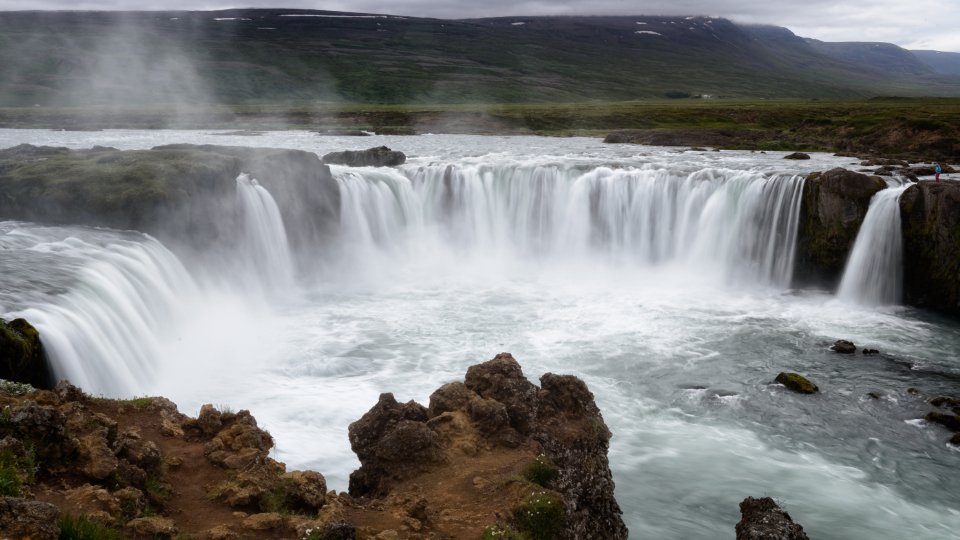
A solo autumn hike became a turning point for Annabel Abbs, who set out on a sunny September day seven years ago after a summer spent caring for four noisy teenagers. Determined to find silence and solitude in the countryside, she chose a solitary walk along a French canal despite fears of injury, getting lost or encountering danger. Her experience reflects a broader trend: in the United Kingdom the share of women hiking alone rose 27 percent between 2020 and 2022, and in the United States 41 percent of female hikers now report regular solo outings, even though many remain hesitant. Researchers at Munich University of Applied Sciences found that 30 percent of women they interviewed would like to hike alone but are held back by uncertainty, highlighting the tension between a long‑standing tradition of women walking alone—from pilgrims to 19th‑century adventurers—and contemporary concerns about safety.
Abbs explains that the key to overcoming apprehension is careful route selection and preparation. She now seeks trails that avoid “urban wasteland,” favoring wide‑open ridgeways, cliffs, hilltops and well‑marked national paths that are easy to navigate, such as those following rivers, canals or coastlines. Autumn proves ideal: crisp, colorful foliage improves visibility, temperatures are moderate, daylight remains sufficient, and fewer crowds mean a peaceful yet not completely isolated experience. For newcomers, she advises starting with a single‑day walk, packing light, carrying a paper map and walking poles, informing someone of arrival times, and studying transport and weather conditions. Multi‑day trips can be made safer by using luggage‑transfer services or specialist tour operators who arrange accommodation and move bags.
Among the routes she recommends, the South Downs Way tops her UK list, offering expansive, clearly signposted clifftop sections that in autumn are shared only with a handful of dog walkers and nearby cultural sites such as Alfriston, Charleston Farmhouse and Virginia Woolf’s house in Rodmell. The Cleveland Way, the country’s second official national trail, provides a well‑maintained four‑day coastal stretch from Saltburn to Filey, combining dramatic coastline, quirky towns and the chance for friendly encounters with passing walkers. The Fishermen’s Trail, too hot in summer, becomes temperate in November, allowing solo female hikers to enjoy warm sea swims and occasional rocky scrambling while feeling pleasantly companioned by other women on the trail. These carefully chosen paths illustrate how solo walking can be both empowering and safe, encouraging more women to embrace the freedom of solitary exploration.
⚡ Effects Interpreter
🌍World Economylow impact
What this means for you
- ▶Economies far from the headline can still catch the aftershocks.
- ▶Trading partners on the other side of the world could feel a distant nudge.
🏙️Local Economylow impact
What this means for you
- ▶Accommodation prices nearby often track visitor numbers closely.
- ▶Flights and hotels at the destination may cost more if demand jumps after this.
🏦Rates & Banksmedium impact
What this means for you
- ▶Lenders usually reserve big rate moves for clearer economic signals.
- ▶Banks generally prefer a wait-and-see approach before touching their rates.
❤️Healthmedium impact
What this means for you
- ▶Travellers heading there should check official advice and any jab requirements.
- ▶Jet lag, food safety and local risks are worth a look before you fly.
💷Wealthmedium impact
What this means for you
- ▶Retirement plans are seldom derailed by news of this size alone.
- ▶Portfolios built for the long haul rarely need a rethink over one headline.
🏠Housinglow impact
What this means for you
- ▶House prices and rents are unlikely to shift the moment this news breaks.
- ▶The property market tends to move slowly, so expect any change to take time.
🌍 Effects for your country
The U.S.'s central bank rate currently stands at 3.75%, so a global rates move like this could feed through to local borrowing costs. The U.S.'s economy is growing at 2.3% with inflation at 3.2%, the backdrop this story's effects play out against locally. Housing-market effects like this are usually felt most where mortgage rates track the U.S.'s own central bank rate closely. With the U.S.'s unemployment at 4.4%, personal-finance effects like this land on a labour market that is currently fairly stable. Health-system effects are harder to localise from economic indicators alone — the real impact in the U.S. depends more on local healthcare capacity than the figures above.
The UK's central bank rate currently stands at 3.75%, so a global rates move like this could feed through to local borrowing costs. The UK's economy is growing at 0.8% with inflation at 3.2%, the backdrop this story's effects play out against locally. Housing-market effects like this are usually felt most where mortgage rates track the UK's own central bank rate closely. With the UK's unemployment at 5.6%, personal-finance effects like this land on a labour market that is currently fairly stable. Health-system effects are harder to localise from economic indicators alone — the real impact in the UK depends more on local healthcare capacity than the figures above.
France's central bank rate currently stands at 2%, so a global rates move like this could feed through to local borrowing costs. France's economy is growing at 0.9% with inflation at 1.8%, the backdrop this story's effects play out against locally. Housing-market effects like this are usually felt most where mortgage rates track France's own central bank rate closely. With France's unemployment at 7.9%, personal-finance effects like this land on a labour market that is already under strain. Health-system effects are harder to localise from economic indicators alone — the real impact in France depends more on local healthcare capacity than the figures above.
Romania's central bank rate currently stands at 6.5%, so a global rates move like this could feed through to local borrowing costs. Romania's economy is growing at 0.7% with inflation at 7.8%, the backdrop this story's effects play out against locally. Housing-market effects like this are usually felt most where mortgage rates track Romania's own central bank rate closely. With Romania's unemployment at 6%, personal-finance effects like this land on a labour market that is currently fairly stable. Health-system effects are harder to localise from economic indicators alone — the real impact in Romania depends more on local healthcare capacity than the figures above.
The UAE's central bank rate currently stands at 3.65%, so a global rates move like this could feed through to local borrowing costs. The UAE's economy is growing at 3.1% with inflation at 2.5%, the backdrop this story's effects play out against locally. Housing-market effects like this are usually felt most where mortgage rates track the UAE's own central bank rate closely. Health-system effects are harder to localise from economic indicators alone — the real impact in the UAE depends more on local healthcare capacity than the figures above.