South Korea calls for apology from North Korea after mine injures three soldiers
Source: Guardian World ↗
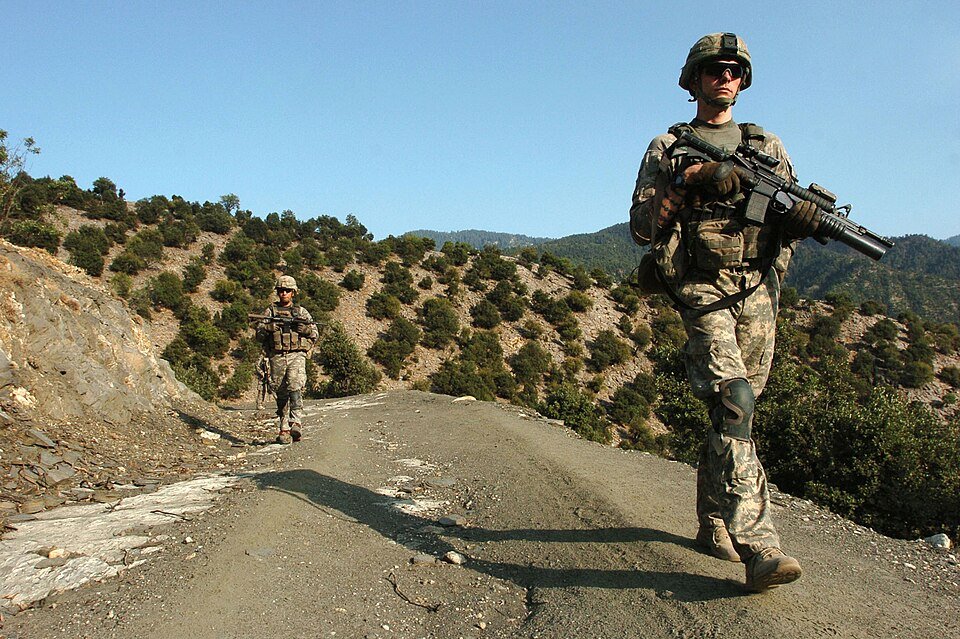
South Korean officials announced on Wednesday that an anti‑personnel mine exploded during a routine search operation on 21 September, injuring three soldiers on the southern side of the Military Demarcation Line (MDL). The blast, which occurred about ten metres south of the de‑facto border on the western front, detonated twice within a minute, severely wounding a battalion commander—who lost part of his foot—an engineer, and lightly injuring a third officer. Kang Hyun‑woo, director of operations for South Korea’s joint chiefs of staff, demanded an apology and “responsible measures” from Pyongyang, calling for an immediate halt to North Korea’s mine‑laying and border fortifications, which he said breach the 1953 armistice and the spirit of inter‑Korean agreements. The United Nations Command, which oversees the armistice, confirmed a joint investigation with South Korean forces identified a live North Korean anti‑personnel mine on the southern side of the MDL, deeming the incident an armistice violation and stating it would be addressed through established mechanisms.
The incident revives memories of a 2015 mine explosion in the demilitarised zone that seriously injured two South Korean soldiers and triggered a flare‑up of propaganda loudspeaker broadcasts, followed by North Korean artillery fire and a begrudging expression of regret during high‑level talks. Since severing communication channels in 2024, North Korea has repeatedly denied involvement in border incidents, with Kim Yo‑jong, sister of leader Kim Jong‑un, dismissing the recent blast as “an obvious self‑staged farce” and warning of “immediate and merciless retaliation” if South Korean troops fire across the border. Analysts note that accidental escalation on the peninsula is now “fewer steps away” than in 2015, underscoring the heightened risk posed by North Korea’s ongoing mine‑laying and fortification efforts along the frontier.
The mine blast complicates President Lee Jae‑Myung’s diplomatic outreach to the North, which includes pledges at the United Nations General Assembly to act as a “pacemaker” for peace and appeals to Washington for sanctions relief in exchange for a freeze on Pyongyang’s weapons programs. Domestically, the incident has sparked political controversy: opposition lawmakers questioned whether the investigation’s timing was intended to avoid eclipsing Lee’s UN speech, a claim the presidential office rejected, while the conservative People Power Party called for the reinstatement of the dismantled propaganda loudspeakers. The episode also coincided with Seoul’s demand for an apology from Ukraine after the secret transfer of two North Korean prisoners of war, further illustrating the complex diplomatic pressures confronting South Korea as it navigates security threats and peace‑building efforts on the peninsula.
⚡ Effects Interpreter
🌍World Economylow impact
What this means for you
- ▶The ripples can spread across borders, nudging growth forecasts here and there.
- ▶Trading partners on the other side of the world might feel a distant nudge.
🏙️Local Economylow impact
What this means for you
- ▶The knock-on for local trade is usually gradual rather than sudden.
- ▶Neighbourhood traders typically adjust subtly rather than all at once.
🏦Rates & Banksmedium impact
What this means for you
- ▶The next rate-setting meeting is a more likely trigger than this news alone.
- ▶Lenders typically reserve big rate moves for clearer economic signals.
❤️Healthmedium impact
What this means for you
- ▶A story like this can linger in the back of people's minds for a while.
- ▶It's easy to underestimate how much stories like this weigh on people.
💷Wealthmedium impact
What this means for you
- ▶Time in the market usually matters more than timing the market around news like this.
- ▶A brief dip in value is not the same as a permanent loss.
🏠Housinglow impact
What this means for you
- ▶A cooling or warming market usually takes months to fully show up in prices.
- ▶Anyone mid-purchase might want to keep an eye on how this unfolds.
🌍 Effects for your country
The U.S.'s central bank rate currently stands at 3.75%, so a global rates move like this could feed through to local borrowing costs. The U.S.'s economy is growing at 2.3% with inflation at 3.2%, the backdrop this story's effects play out against locally. Housing-market effects like this are usually felt most where mortgage rates track the U.S.'s own central bank rate closely. With the U.S.'s unemployment at 4.4%, personal-finance effects like this land on a labour market that is currently fairly stable. Health-system effects are harder to localise from economic indicators alone — the real impact in the U.S. depends more on local healthcare capacity than the figures above.
The UK's central bank rate currently stands at 3.75%, so a global rates move like this could feed through to local borrowing costs. The UK's economy is growing at 0.8% with inflation at 3.2%, the backdrop this story's effects play out against locally. Housing-market effects like this are usually felt most where mortgage rates track the UK's own central bank rate closely. With the UK's unemployment at 5.6%, personal-finance effects like this land on a labour market that is currently fairly stable. Health-system effects are harder to localise from economic indicators alone — the real impact in the UK depends more on local healthcare capacity than the figures above.
France's central bank rate currently stands at 2%, so a global rates move like this could feed through to local borrowing costs. France's economy is growing at 0.9% with inflation at 1.8%, the backdrop this story's effects play out against locally. Housing-market effects like this are usually felt most where mortgage rates track France's own central bank rate closely. With France's unemployment at 7.9%, personal-finance effects like this land on a labour market that is already under strain. Health-system effects are harder to localise from economic indicators alone — the real impact in France depends more on local healthcare capacity than the figures above.
Romania's central bank rate currently stands at 6.5%, so a global rates move like this could feed through to local borrowing costs. Romania's economy is growing at 0.7% with inflation at 7.8%, the backdrop this story's effects play out against locally. Housing-market effects like this are usually felt most where mortgage rates track Romania's own central bank rate closely. With Romania's unemployment at 6%, personal-finance effects like this land on a labour market that is currently fairly stable. Health-system effects are harder to localise from economic indicators alone — the real impact in Romania depends more on local healthcare capacity than the figures above.
The UAE's central bank rate currently stands at 3.65%, so a global rates move like this could feed through to local borrowing costs. The UAE's economy is growing at 3.1% with inflation at 2.5%, the backdrop this story's effects play out against locally. Housing-market effects like this are usually felt most where mortgage rates track the UAE's own central bank rate closely. Health-system effects are harder to localise from economic indicators alone — the real impact in the UAE depends more on local healthcare capacity than the figures above.