Trump administration changes how it counts measles deaths amid Pennsylvania outbreak
Source: Guardian Health ↗ (cross-verified by 2 outlets — full list below)
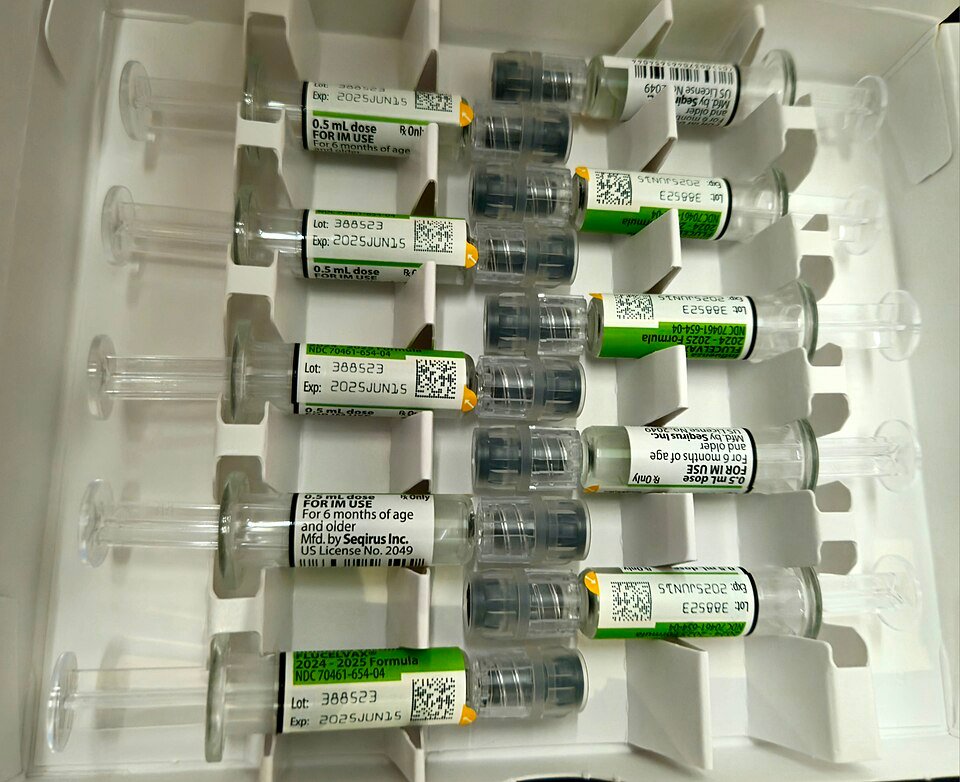
A third apparent measles‑related death was reported in Pennsylvania on Sunday, bringing the state’s toll to three this year. The deceased was a 40‑year‑old unvaccinated woman in Jefferson County who suffered from chronic obstructive pulmonary disease and required continuous oxygen support. County coroner Greg Furlong said she exhibited the classic measles rash and symptoms, and a close contact had recently tested positive; a nasal swab is pending results, and the death will be classified as probable measles‑related based on the epidemiological link. The Trump administration’s Department of Health and Human Services announced that the CDC will now count measles deaths using data from the National Center for Health Statistics (NCHS) rather than the National Notifiable Diseases Surveillance System (NNDSS), meaning the agency will only record a death when the NCHS lists measles as the underlying cause.
The shift in reporting methodology has drawn sharp criticism from former CDC officials, who argue that the NCHS system is designed for long‑term mortality trend analysis and is not intended to confirm individual cases. Debra Houry, a former CDC chief medical officer, called the change “puzzling” and said it “doesn’t make any sense,” noting that it could obscure the true impact of the current outbreak. Pennsylvania officials have already warned that the official count of 676 confirmed measles cases likely underrepresents the actual number of infections, with the coroner asserting he is “100 % sure” more cases exist. The new reporting rule could therefore delay or diminish the visibility of deaths directly linked to the outbreak, complicating public health responses.
The outbreak underscores the importance of maintaining a 95 % measles immunization rate, a threshold emphasized by the coroner as essential for protecting vulnerable populations such as infants under six months and pregnant people. While HHS spokesperson Emily Hilliard reiterated that the CDC’s recommendation for the MMR vaccine remains unchanged, Secretary of Health and Human Services Robert F. Kennedy Jr. has not commented on the latest death and previously questioned the attribution of earlier fatalities to measles. As Pennsylvania’s health department completes its investigation and submits findings to the CDC, the case highlights ongoing tensions between vaccine advocacy, reporting practices, and the broader effort to contain a disease once thought eradicated.
⚡ Effects Interpreter
🌍World Economylow impact
What this means for you
- ▶Export-heavy economies may see demand wobble as buyers wait and watch.
- ▶Cross-border money flows can quietly change direction after events like this.
🏙️Local Economylow impact
What this means for you
- ▶Everyday essentials could nudge in price as suppliers adjust.
- ▶Everyday costs in your town may drift as the wider economy reacts.
🏦Rates & Bankslow impact
What this means for you
- ▶Savings accounts might see their rates nudged only after a broader trend emerges.
- ▶Banks tend to wait and see before nudging the rates they offer.
❤️Healthmedium impact
What this means for you
- ▶Everyday routines rarely need to change much once the facts are clear.
- ▶A brief chat with a pharmacist can clear up plenty of uncertainty.
💷Wealthlow impact
What this means for you
- ▶Care costs can ripple into family finances further down the road.
- ▶Healthcare or insurance costs may edge up if treatments become common.
🏠Housinglow impact
What this means for you
- ▶Local surveyors often note that sentiment shifts before prices actually do.
- ▶Regional differences mean this might be felt unevenly across the property market.
🌍 Effects for your country
The U.S.'s central bank rate currently stands at 3.75%, so a global rates move like this could feed through to local borrowing costs. The U.S.'s economy is growing at 2.3% with inflation at 3.2%, the backdrop this story's effects play out against locally. Housing-market effects like this are usually felt most where mortgage rates track the U.S.'s own central bank rate closely. With the U.S.'s unemployment at 4.4%, personal-finance effects like this land on a labour market that is currently fairly stable. Health-system effects are harder to localise from economic indicators alone — the real impact in the U.S. depends more on local healthcare capacity than the figures above.
The UK's central bank rate currently stands at 3.75%, so a global rates move like this could feed through to local borrowing costs. The UK's economy is growing at 0.8% with inflation at 3.2%, the backdrop this story's effects play out against locally. Housing-market effects like this are usually felt most where mortgage rates track the UK's own central bank rate closely. With the UK's unemployment at 5.6%, personal-finance effects like this land on a labour market that is currently fairly stable. Health-system effects are harder to localise from economic indicators alone — the real impact in the UK depends more on local healthcare capacity than the figures above.
France's central bank rate currently stands at 2%, so a global rates move like this could feed through to local borrowing costs. France's economy is growing at 0.9% with inflation at 1.8%, the backdrop this story's effects play out against locally. Housing-market effects like this are usually felt most where mortgage rates track France's own central bank rate closely. With France's unemployment at 7.9%, personal-finance effects like this land on a labour market that is already under strain. Health-system effects are harder to localise from economic indicators alone — the real impact in France depends more on local healthcare capacity than the figures above.
Romania's central bank rate currently stands at 6.5%, so a global rates move like this could feed through to local borrowing costs. Romania's economy is growing at 0.7% with inflation at 7.8%, the backdrop this story's effects play out against locally. Housing-market effects like this are usually felt most where mortgage rates track Romania's own central bank rate closely. With Romania's unemployment at 6%, personal-finance effects like this land on a labour market that is currently fairly stable. Health-system effects are harder to localise from economic indicators alone — the real impact in Romania depends more on local healthcare capacity than the figures above.
The UAE's central bank rate currently stands at 3.65%, so a global rates move like this could feed through to local borrowing costs. The UAE's economy is growing at 3.1% with inflation at 2.5%, the backdrop this story's effects play out against locally. Housing-market effects like this are usually felt most where mortgage rates track the UAE's own central bank rate closely. Health-system effects are harder to localise from economic indicators alone — the real impact in the UAE depends more on local healthcare capacity than the figures above.