Trump presses Supreme Court to curb mail voting as ballots begin reaching Americans
Source: Euronews ↗ (cross-verified by 2 outlets — full list below)
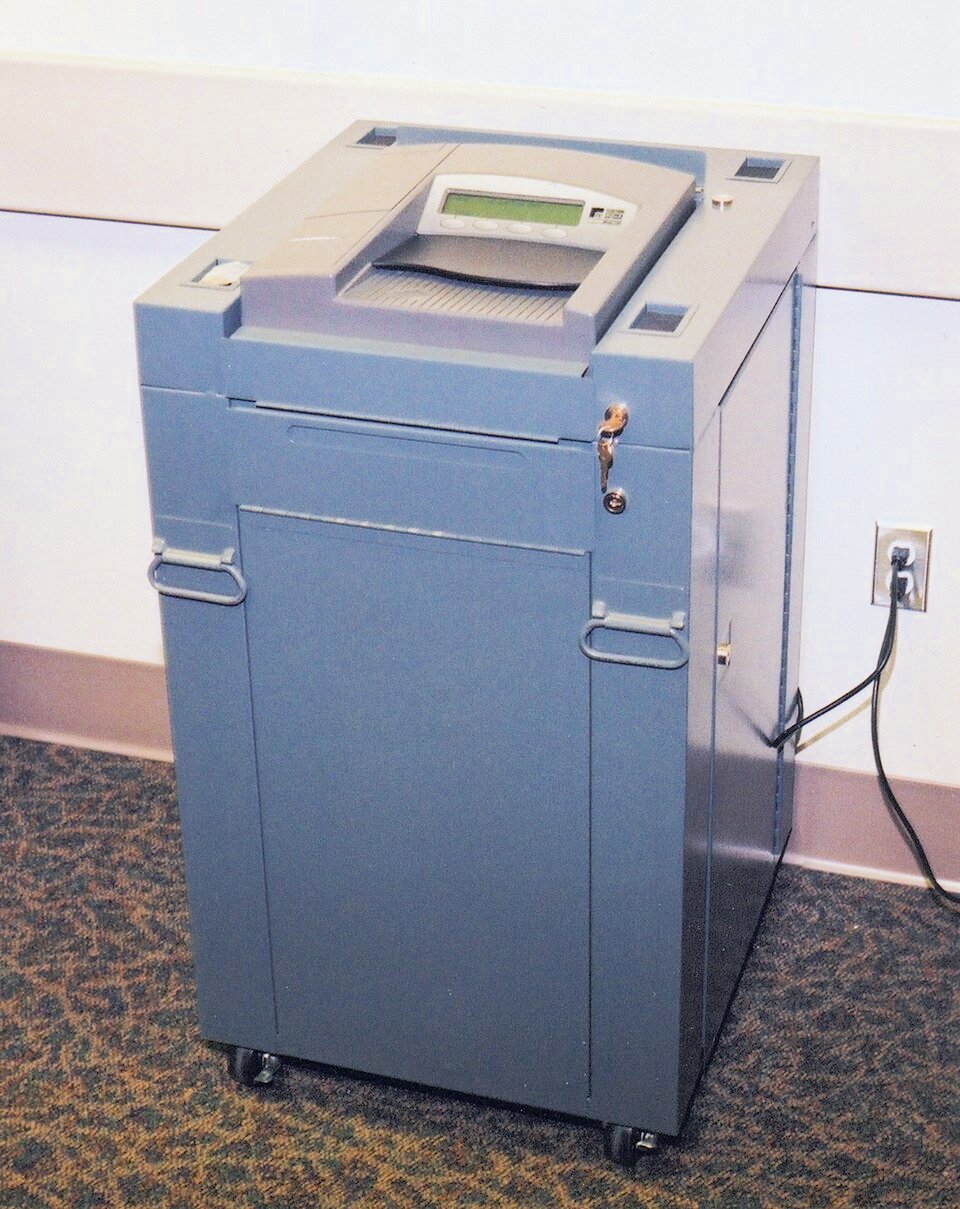
North Carolina became the first state to begin mailing out absentee ballots for the 2024 midterm elections on Friday, even as the Trump administration filed an emergency petition with the Supreme Court to overturn a federal judge’s injunction against an executive order that would drastically restrict mail voting. The order, signed by former President Donald Trump in March, mandates that states submit voter eligibility lists through a federal portal and requires the United States Postal Service to deliver ballots only to those on the approved lists. A federal judge, Indira Talwani, blocked the order last week, deeming compliance “practically impossible” given the proximity of ballot distribution, and the administration’s request to the high court arrived just as ballots were being dispatched, roughly two months before the November vote. North Carolina’s elections chief described the situation as “business as usual,” noting that other states such as Alabama are slated to follow suit later in the month.
The legal battle centers on a broader constitutional dispute, with Democratic‑led states arguing that election administration is a power reserved to the states, while the Trump administration contends that mail voting is susceptible to fraud—a claim tied to Trump’s repeated assertion that absentee ballots cost him the 2020 presidential election. Researchers at States United estimate that nearly one‑third of Americans—more than 48 million voters—used mail ballots in the 2024 general election, underscoring the order’s potential impact on a substantial portion of the electorate. Compounding the controversy, a Postal Service whistleblower warned that the technology underpinning the new voter‑list portal was hastily built and error‑prone, raising the risk that millions of ballots could be undelivered.
The stakes of the dispute are heightened by the midterms’ role in determining congressional control for the remainder of Trump’s term. Republicans risk losing their slim House majority, which would empower a Democratic‑controlled chamber to block the administration’s legislative agenda and potentially pursue a third impeachment. The Supreme Court has already intervened once, temporarily lifting a separate lower‑court block on the order without addressing its merits, leaving the policy in a state of legal limbo as voting begins. The outcome of the pending emergency request could shape how millions of mail ballots are processed, affect voter participation rates, and set a precedent for federal involvement in state election procedures moving forward.
⚡ Effects Interpreter
🌍World Economymedium impact
What this means for you
- ▶Shifts in government policy can ripple into business confidence and investment.
- ▶Investors watch politics closely for the signals it sends.
🏙️Local Economylow impact
What this means for you
- ▶The high street usually mirrors big-picture shifts, just a touch further down the line.
- ▶Small businesses nearby might tweak their prices in the weeks ahead.
🏦Rates & Bankslow impact
What this means for you
- ▶Any rate move here is likely to lag the headlines.
- ▶Mortgage lenders may pause new offers until the political dust settles.
❤️Healthmedium impact
What this means for you
- ▶Looking after mental health is worth it when headlines feel heavy.
- ▶Checking in on vulnerable neighbours matters when news feels heavy.
💷Wealthmedium impact
What this means for you
- ▶Long-term savers usually ride out these slight bumps just fine.
- ▶A calm head usually serves savers better than a quick reaction.
🏠Housinglow impact
What this means for you
- ▶First-time buyers watching the market closely may see little change in the short term.
- ▶Buyers and renters might notice only a mild drift, if anything at all.
🌍 Effects for your country
The U.S.'s central bank rate currently stands at 3.75%, so a global rates move like this could feed through to local borrowing costs. The U.S.'s economy is growing at 2.3% with inflation at 3.2%, the backdrop this story's effects play out against locally. Housing-market effects like this are usually felt most where mortgage rates track the U.S.'s own central bank rate closely. With the U.S.'s unemployment at 4.4%, personal-finance effects like this land on a labour market that is currently fairly stable. Health-system effects are harder to localise from economic indicators alone — the real impact in the U.S. depends more on local healthcare capacity than the figures above.
The UK's central bank rate currently stands at 3.75%, so a global rates move like this could feed through to local borrowing costs. The UK's economy is growing at 0.8% with inflation at 3.2%, the backdrop this story's effects play out against locally. Housing-market effects like this are usually felt most where mortgage rates track the UK's own central bank rate closely. With the UK's unemployment at 5.6%, personal-finance effects like this land on a labour market that is currently fairly stable. Health-system effects are harder to localise from economic indicators alone — the real impact in the UK depends more on local healthcare capacity than the figures above.
France's central bank rate currently stands at 2%, so a global rates move like this could feed through to local borrowing costs. France's economy is growing at 0.9% with inflation at 1.8%, the backdrop this story's effects play out against locally. Housing-market effects like this are usually felt most where mortgage rates track France's own central bank rate closely. With France's unemployment at 7.9%, personal-finance effects like this land on a labour market that is already under strain. Health-system effects are harder to localise from economic indicators alone — the real impact in France depends more on local healthcare capacity than the figures above.
Romania's central bank rate currently stands at 6.5%, so a global rates move like this could feed through to local borrowing costs. Romania's economy is growing at 0.7% with inflation at 7.8%, the backdrop this story's effects play out against locally. Housing-market effects like this are usually felt most where mortgage rates track Romania's own central bank rate closely. With Romania's unemployment at 6%, personal-finance effects like this land on a labour market that is currently fairly stable. Health-system effects are harder to localise from economic indicators alone — the real impact in Romania depends more on local healthcare capacity than the figures above.
The UAE's central bank rate currently stands at 3.65%, so a global rates move like this could feed through to local borrowing costs. The UAE's economy is growing at 3.1% with inflation at 2.5%, the backdrop this story's effects play out against locally. Housing-market effects like this are usually felt most where mortgage rates track the UAE's own central bank rate closely. Health-system effects are harder to localise from economic indicators alone — the real impact in the UAE depends more on local healthcare capacity than the figures above.