US medical groups urge people to get flu and Covid shots in counter to Trump guidance
Source: Guardian Health ↗ (cross-verified by 2 outlets — full list below)
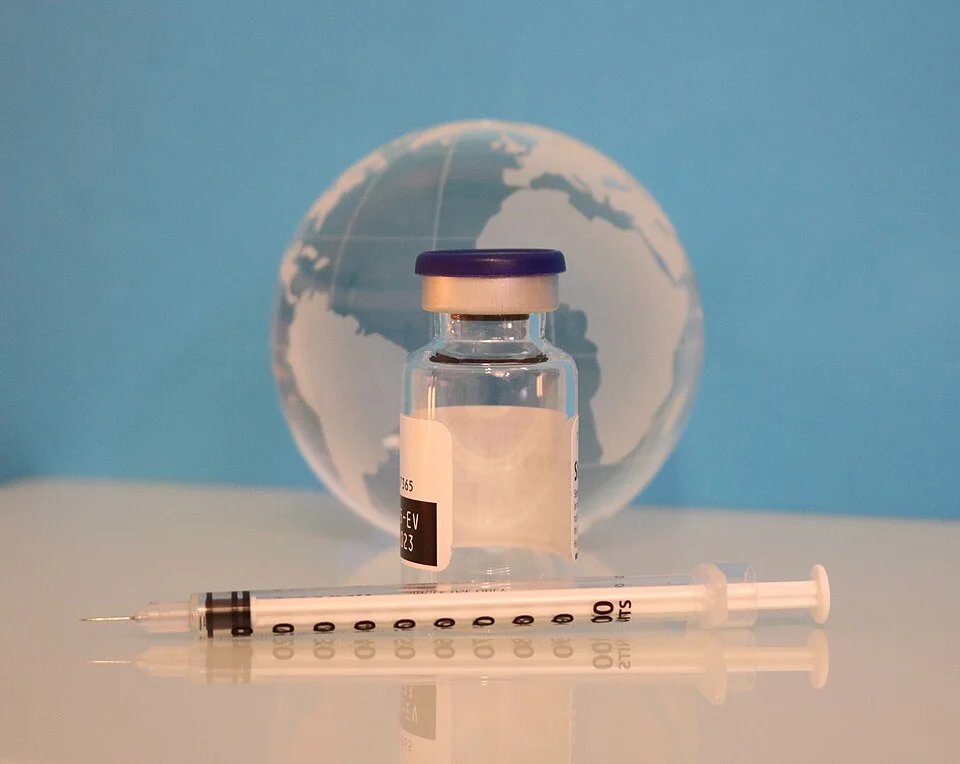
Leading U.S. medical societies—including the American Academy of Pediatrics, American Academy of Family Physicians, American College of Obstetricians and Gynecologists, Infectious Diseases Society of America and the American Medical Association—jointly issued clear, science‑based recommendations urging everyone eligible to receive this fall’s updated flu and Covid‑19 vaccines. The coordinated guidance arrives as the Food and Drug Administration has just approved the season’s revised shots and as the Trump administration’s recent, unexplained roll‑backs of longstanding immunization advice have left the public uncertain. The groups stress that flu shots are now recommended for virtually all individuals six months and older, with particular emphasis on seniors, pregnant women, young children and anyone with chronic conditions such as asthma, diabetes or heart disease. For Covid‑19, the societies advise all adults—especially those 65 and older or with risk‑enhancing health issues—to be vaccinated, and they support vaccination for children from six months upward, including those whose parents simply wish to protect them.
The urgency of the recommendations is underscored by recent data showing the severe impact of the last two flu seasons, which saw an unusually high number of child deaths, most of them among unvaccinated kids. A study published in JAMA by the Vaccine Integrity Project at the University of Minnesota found that flu vaccination reduces hospitalizations among older adults by 31 percent, while the same project reported that last fall’s Covid‑19 shots cut senior hospitalizations by 53 percent and dramatically lowered emergency‑room visits for very young children. In addition to traditional egg‑based flu vaccines, the FDA has approved an mRNA‑based flu shot, Moderna’s mFlusiva, for people 50 and older; early research suggests it is 27 percent more effective against symptomatic illness in 50‑ to 64‑year‑olds than standard formulations. The societies also note the availability of a nasal spray flu vaccine, FluMist, for healthy individuals aged two to 49, and they remind clinicians that a variety of Covid‑19 vaccines—Moderna, Pfizer, Novavax and Sanofi—remain effective at preventing severe disease, even though formal FDA approval this year is limited to higher‑risk groups.
To counteract the confusion generated by the administration’s shifting stance and an ongoing court battle involving the CDC’s advisory panel, the AMA has compiled all the groups’ recommendations, safety data and efficacy evidence on the website SpreadTheFacts.org, offering a single, consistent source for the public. The societies emphasize that side effects from both flu and Covid‑19 vaccines are generally mild and short‑lived, such as sore arms, fatigue, headache, muscle aches and low‑grade fever, and they note that these reactions occur slightly more often with the new mFlusiva than with conventional flu shots. Pediatricians and many clinics now offer both vaccines together, though pharmacies remain the most common distribution point. By presenting unified, evidence‑based guidance, the medical community aims to restore confidence, increase vaccination rates, and ultimately reduce the burden of preventable respiratory illnesses this winter.
⚡ Effects Interpreter
🌍World Economylow impact
What this means for you
- ▶Confidence among international firms might wobble until the picture clears.
- ▶Investors abroad typically reprice their bets when this kind of news lands.
🏙️Local Economylow impact
What this means for you
- ▶Your town's economy tends to catch up with big headlines eventually.
- ▶Local suppliers who import goods might pass on any change in costs.
🏦Rates & Bankslow impact
What this means for you
- ▶Your bank is unlikely to act on this alone, but it will be watching.
- ▶Mortgage offers could firm up or soften as the picture becomes clearer.
❤️Healthlow impact
What this means for you
- ▶Vulnerable groups might want extra reassurance from a trusted source.
- ▶Modest, sensible precautions can go a long way here.
💷Wealthmedium impact
What this means for you
- ▶A healthy household budget and a healthy body typically go hand in hand.
- ▶Time off work for health reasons can add up faster than people expect.
🏠Housinglow impact
What this means for you
- ▶Buyers and renters might notice only a mild drift, if anything at all.
- ▶The housing market has a habit of lagging behind the headlines.
🌍 Effects for your country
The U.S.'s central bank rate currently stands at 3.75%, so a global rates move like this could feed through to local borrowing costs. The U.S.'s economy is growing at 2.3% with inflation at 3.2%, the backdrop this story's effects play out against locally. Housing-market effects like this are usually felt most where mortgage rates track the U.S.'s own central bank rate closely. With the U.S.'s unemployment at 4.4%, personal-finance effects like this land on a labour market that is currently fairly stable. Health-system effects are harder to localise from economic indicators alone — the real impact in the U.S. depends more on local healthcare capacity than the figures above.
The UK's central bank rate currently stands at 3.75%, so a global rates move like this could feed through to local borrowing costs. The UK's economy is growing at 0.8% with inflation at 3.2%, the backdrop this story's effects play out against locally. Housing-market effects like this are usually felt most where mortgage rates track the UK's own central bank rate closely. With the UK's unemployment at 5.6%, personal-finance effects like this land on a labour market that is currently fairly stable. Health-system effects are harder to localise from economic indicators alone — the real impact in the UK depends more on local healthcare capacity than the figures above.
France's central bank rate currently stands at 2%, so a global rates move like this could feed through to local borrowing costs. France's economy is growing at 0.9% with inflation at 1.8%, the backdrop this story's effects play out against locally. Housing-market effects like this are usually felt most where mortgage rates track France's own central bank rate closely. With France's unemployment at 7.9%, personal-finance effects like this land on a labour market that is already under strain. Health-system effects are harder to localise from economic indicators alone — the real impact in France depends more on local healthcare capacity than the figures above.
Romania's central bank rate currently stands at 6.5%, so a global rates move like this could feed through to local borrowing costs. Romania's economy is growing at 0.7% with inflation at 7.8%, the backdrop this story's effects play out against locally. Housing-market effects like this are usually felt most where mortgage rates track Romania's own central bank rate closely. With Romania's unemployment at 6%, personal-finance effects like this land on a labour market that is currently fairly stable. Health-system effects are harder to localise from economic indicators alone — the real impact in Romania depends more on local healthcare capacity than the figures above.
The UAE's central bank rate currently stands at 3.65%, so a global rates move like this could feed through to local borrowing costs. The UAE's economy is growing at 3.1% with inflation at 2.5%, the backdrop this story's effects play out against locally. Housing-market effects like this are usually felt most where mortgage rates track the UAE's own central bank rate closely. Health-system effects are harder to localise from economic indicators alone — the real impact in the UAE depends more on local healthcare capacity than the figures above.