US oil giant Chevron to expand Venezuela operations
Source: Al Jazeera ↗ (cross-verified by 3 outlets — full list below)
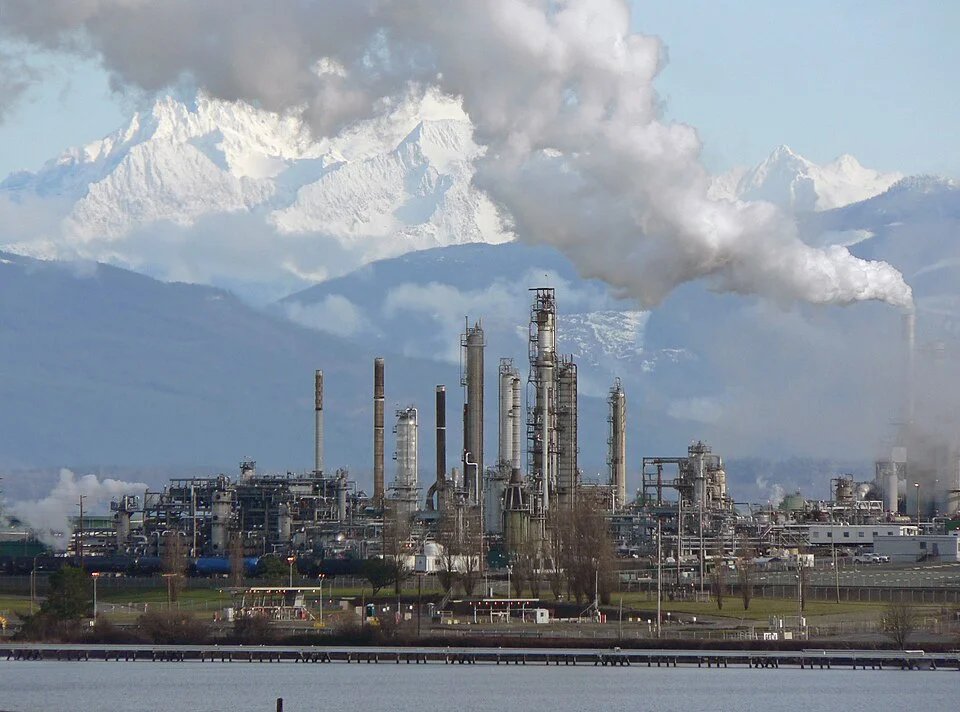
Chevron announced it will invest more than $7 billion to double its Venezuelan oil output to roughly 600,000 barrels per day within five years, after being granted additional acreage in the Orinoco Belt’s Carabobo region. The expansion will extend the company’s Petroindependencia joint venture into two adjacent areas, building on its century‑long presence in the country. CEO Mike Wirth said the move reflects confidence in Venezuela’s deep resource potential, while Energy Secretary Chris Wright highlighted that the new agreements include enhanced fiscal, commercial and legal protections, with production costs projected below $20 per barrel.
The development comes amid a broader push by the Trump administration to revive Venezuela’s oil sector, which holds the world’s largest reserves but has seen output fall from over 3 million barrels per day two decades ago to about 1.25 million today due to mismanagement, underinvestment by PDVSA and U.S. sanctions. Trump recently unveiled a deal giving the U.S. government an equity stake in a private Venezuelan oil firm, and a sweeping oil reform approved in January is prompting dozens of contracts to be renegotiated. In addition to Chevron, firms such as Italy’s ENI, investor KEO Capital and Primavera—co‑founded by billionaire Fred Ehrsam—are slated to sign energy agreements, with oil minister Paula Henao and Wright expected to oversee the signings in Caracas.
Chevron’s expansion leverages existing infrastructure, avoiding the high costs of greenfield projects, and underscores its unique position as the only U.S. oil major still operating in Venezuela after ExxonMobil and ConocoPhillips exited in 2007 following nationalizations. The company now runs three joint ventures—Petroindependencia and Petropiar in the Orinoco Belt and Petroboscan in Zulia state—while the new Carabobo sites will boost extra‑heavy oil production. If the projected increase materializes, Venezuela’s total output could rise to 2 million barrels per day by decade’s end, marking a significant step toward reviving its once‑dominant oil industry.
⚡ Effects Interpreter
🌍World Economylow impact
What this means for you
- ▶Hedge funds and pension funds alike could adjust positions swiftly.
- ▶Ripples can spread from one exchange to the next within hours.
🏙️Local Economylow impact
What this means for you
- ▶Your town's economy tends to catch up with big headlines eventually.
- ▶Everyday costs in your town may drift as the wider economy reacts.
🏦Rates & Banksmedium impact
What this means for you
- ▶Financial markets sometimes overreact to rate speculation before banks even respond.
- ▶Watching how currency markets react can hint at where rates head next.
❤️Healthmedium impact
What this means for you
- ▶A little perspective usually helps once the initial shock fades.
- ▶Public health messaging can go a long way toward easing collective worry.
💷Wealthmedium impact
What this means for you
- ▶Long-term goals rarely need rewriting over a single day's trading.
- ▶Short-lived volatility like this is part and parcel of investing.
🏠Housingmedium impact
What this means for you
- ▶Landlords and tenants alike rarely feel sudden shifts from a story like this.
- ▶Local surveyors typically note that sentiment shifts before prices actually do.
🌍 Effects for your country
The U.S.'s central bank rate currently stands at 3.75%, so a global rates move like this could feed through to local borrowing costs. The U.S.'s economy is growing at 2.3% with inflation at 3.2%, the backdrop this story's effects play out against locally. Housing-market effects like this are usually felt most where mortgage rates track the U.S.'s own central bank rate closely. With the U.S.'s unemployment at 4.4%, personal-finance effects like this land on a labour market that is currently fairly stable. Health-system effects are harder to localise from economic indicators alone — the real impact in the U.S. depends more on local healthcare capacity than the figures above.
The UK's central bank rate currently stands at 3.75%, so a global rates move like this could feed through to local borrowing costs. The UK's economy is growing at 0.8% with inflation at 3.2%, the backdrop this story's effects play out against locally. Housing-market effects like this are usually felt most where mortgage rates track the UK's own central bank rate closely. With the UK's unemployment at 5.6%, personal-finance effects like this land on a labour market that is currently fairly stable. Health-system effects are harder to localise from economic indicators alone — the real impact in the UK depends more on local healthcare capacity than the figures above.
France's central bank rate currently stands at 2%, so a global rates move like this could feed through to local borrowing costs. France's economy is growing at 0.9% with inflation at 1.8%, the backdrop this story's effects play out against locally. Housing-market effects like this are usually felt most where mortgage rates track France's own central bank rate closely. With France's unemployment at 7.9%, personal-finance effects like this land on a labour market that is already under strain. Health-system effects are harder to localise from economic indicators alone — the real impact in France depends more on local healthcare capacity than the figures above.
Romania's central bank rate currently stands at 6.5%, so a global rates move like this could feed through to local borrowing costs. Romania's economy is growing at 0.7% with inflation at 7.8%, the backdrop this story's effects play out against locally. Housing-market effects like this are usually felt most where mortgage rates track Romania's own central bank rate closely. With Romania's unemployment at 6%, personal-finance effects like this land on a labour market that is currently fairly stable. Health-system effects are harder to localise from economic indicators alone — the real impact in Romania depends more on local healthcare capacity than the figures above.
The UAE's central bank rate currently stands at 3.65%, so a global rates move like this could feed through to local borrowing costs. The UAE's economy is growing at 3.1% with inflation at 2.5%, the backdrop this story's effects play out against locally. Housing-market effects like this are usually felt most where mortgage rates track the UAE's own central bank rate closely. Health-system effects are harder to localise from economic indicators alone — the real impact in the UAE depends more on local healthcare capacity than the figures above.