US oversees signing of ‘billions’ in deals between Venezuela and Chevron, ENI, GE
Source: France 24 ↗ (cross-verified by 2 outlets — full list below)
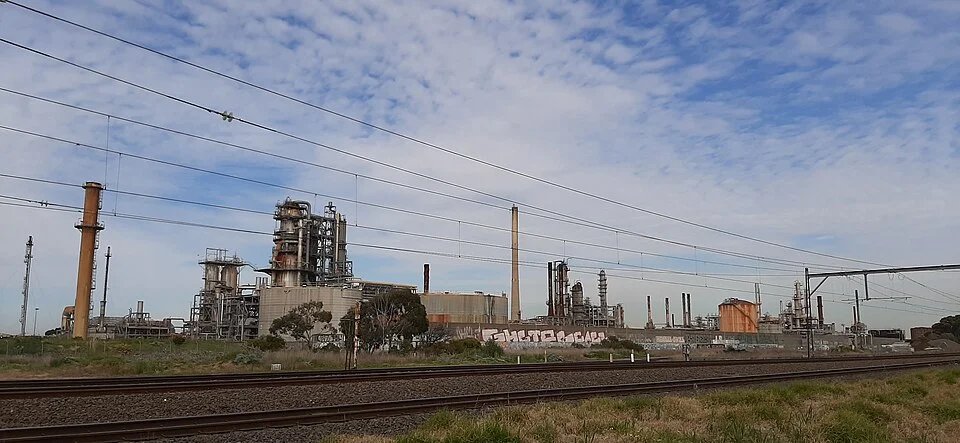
U.S. Energy Secretary Chris Wright travelled to Caracas on Wednesday to witness the signing of eight agreements between Venezuela and three major energy firms—Chevron, Italy’s ENI and GE Vernova—collectively valued at “tens of billions of dollars.” The deals were signed alongside Venezuela’s interim president Delcy Rodríguez at the Miraflores Presidential Palace and are presented as a cornerstone for “peace, opportunity, and prosperity” for the Venezuelan people, with the U.S. framing the projects as a catalyst for broader regional benefit. Chevron’s portion includes a $7 billion contract to develop two additional oil fields in the Orinoco Belt, while ENI secured exclusive exploration rights to the giant Junín 5 field, and GE Vernova will work to revive Venezuela’s struggling electricity grid.
The agreements follow a high‑profile oil pact announced on Aug. 28, when then‑President Donald Trump touted a deal that would give the United States control over roughly one‑fifth of Venezuela’s oil reserves—about 65 billion barrels—calling it the “biggest oil deal in world history.” Rodríguez indicated that the August accord had already been finalized and expressed hope that it would translate into tangible benefits for Americans as well as Venezuelans. Wright emphasized that expanding energy production is essential to transforming Venezuela’s economy and improving living standards across the hemisphere, positioning the new investments as a continuation of that broader strategic objective.
Beyond the immediate financial commitments, the deals signal a significant shift in U.S.–Venezuelan relations, moving from decades of sanctions toward collaborative energy development. Chevron expects to more than double its output in Venezuela within five years, suggesting a rapid scale‑up of production capacity. ENI’s exclusive rights to Junín 5 could unlock one of the country’s most promising offshore fields, while GE Vernova’s involvement aims to address chronic power shortages that have hampered both industry and daily life. The rollout of these projects will likely affect regional energy markets, create jobs, and potentially reshape geopolitical dynamics in Latin America as the United States reasserts its influence in what officials describe as “our neighbourhood.”
⚡ Effects Interpreter
🌍World Economylow impact
What this means for you
- ▶Commodity and stock desks tend to react almost at once.
- ▶Global investors might reshuffle quickly as the story sinks in.
🏙️Local Economylow impact
What this means for you
- ▶The cost of a weekly food shop can creep up in the background.
- ▶Everyday costs in your town may drift as the wider economy reacts.
🏦Rates & Bankslow impact
What this means for you
- ▶Interest rates and mortgage bills are unlikely to jump straight away from this alone.
- ▶Savings accounts might see their rates nudged only after a broader trend emerges.
❤️Healthlow impact
What this means for you
- ▶Being kind to yourself matters just as much as staying informed.
- ▶Neighbours and families might feel more anxious until the dust settles.
💷Wealthmedium impact
What this means for you
- ▶Market wobbles like this tend to smooth over with time.
- ▶It's tempting to watch the ticker, but patience typically pays off more.
🏠Housinglow impact
What this means for you
- ▶Property values usually need more than one headline to really move.
- ▶Renters could see costs drift a touch as landlords weigh their own bills.
🌍 Effects for your country
The U.S.'s central bank rate currently stands at 3.75%, so a global rates move like this could feed through to local borrowing costs. The U.S.'s economy is growing at 2.3% with inflation at 3.2%, the backdrop this story's effects play out against locally. Housing-market effects like this are usually felt most where mortgage rates track the U.S.'s own central bank rate closely. With the U.S.'s unemployment at 4.4%, personal-finance effects like this land on a labour market that is currently fairly stable. Health-system effects are harder to localise from economic indicators alone — the real impact in the U.S. depends more on local healthcare capacity than the figures above.
The UK's central bank rate currently stands at 3.75%, so a global rates move like this could feed through to local borrowing costs. The UK's economy is growing at 0.8% with inflation at 3.2%, the backdrop this story's effects play out against locally. Housing-market effects like this are usually felt most where mortgage rates track the UK's own central bank rate closely. With the UK's unemployment at 5.6%, personal-finance effects like this land on a labour market that is currently fairly stable. Health-system effects are harder to localise from economic indicators alone — the real impact in the UK depends more on local healthcare capacity than the figures above.
France's central bank rate currently stands at 2%, so a global rates move like this could feed through to local borrowing costs. France's economy is growing at 0.9% with inflation at 1.8%, the backdrop this story's effects play out against locally. Housing-market effects like this are usually felt most where mortgage rates track France's own central bank rate closely. With France's unemployment at 7.9%, personal-finance effects like this land on a labour market that is already under strain. Health-system effects are harder to localise from economic indicators alone — the real impact in France depends more on local healthcare capacity than the figures above.
Romania's central bank rate currently stands at 6.5%, so a global rates move like this could feed through to local borrowing costs. Romania's economy is growing at 0.7% with inflation at 7.8%, the backdrop this story's effects play out against locally. Housing-market effects like this are usually felt most where mortgage rates track Romania's own central bank rate closely. With Romania's unemployment at 6%, personal-finance effects like this land on a labour market that is currently fairly stable. Health-system effects are harder to localise from economic indicators alone — the real impact in Romania depends more on local healthcare capacity than the figures above.
The UAE's central bank rate currently stands at 3.65%, so a global rates move like this could feed through to local borrowing costs. The UAE's economy is growing at 3.1% with inflation at 2.5%, the backdrop this story's effects play out against locally. Housing-market effects like this are usually felt most where mortgage rates track the UAE's own central bank rate closely. Health-system effects are harder to localise from economic indicators alone — the real impact in the UAE depends more on local healthcare capacity than the figures above.