Vets can diagnose bluetongue to cut test delays
Source: BBC Politics ↗
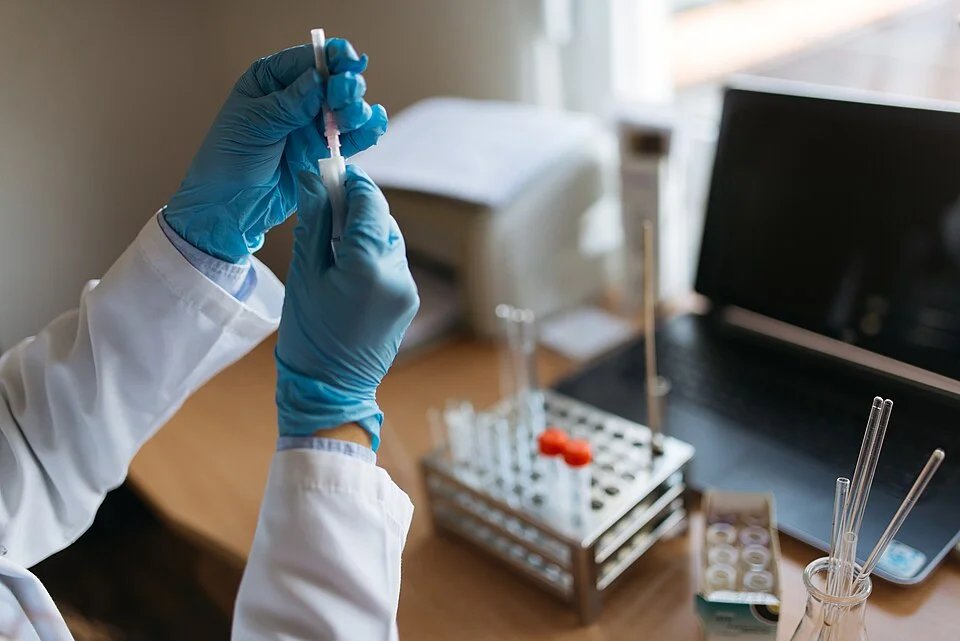
Veterinary authorities in the United Kingdom have been granted the power to diagnose bluetongue virus in livestock without waiting for laboratory confirmation, a policy shift announced by the Department for Environment, Food and Rural Affairs (Defra) as the disease continues to spread across the country. The change allows private veterinarians to make a clinical diagnosis after examining affected sheep, cattle or other susceptible animals, and to report confirmed cases through a new online system. The move is intended to give farmers a faster answer and enable quicker protective actions, such as vaccination, which the deputy chief vet stressed remains the most effective tool against the disease. As of the latest figures, bluetongue has been confirmed on 1,048 farms, with more than half of those cases concentrated in Devon and Cornwall, where the virus first appeared in a sheep in September 2025 after being carried by wind‑blown midges from northern France.
The accelerated diagnostic pathway is expected to reduce the backlog of “straightforward” cases that previously had to wait for laboratory results, thereby limiting the time farmers spend in uncertainty and potentially curbing the economic damage caused by the outbreak. Defra’s new heat map, now publicly available, shows the locations of suspected and confirmed cases, giving producers a visual tool to assess risk in their areas. The National Farmers Union’s vice‑president, Robyn Munt, welcomed the faster turnaround but warned that the added responsibility should not overburden veterinary practices and that robust escalation and testing protocols must remain for cases where clinical signs could indicate other notifiable diseases. The rapid spread of the virus, primarily transmitted by midge bites, has been linked to overwintering in parts of the UK, suggesting that the pathogen may have established a foothold beyond the initial wind‑borne introduction.
Farmers on the ground are already feeling the strain of the outbreak, with many reporting significant livestock losses and long‑term concerns for animal welfare. Jerry Sanders‑Carr of Exe Valley Lamb near Exeter disclosed a 15 percent mortality rate among his sheep, describing the daily sight of dead animals as a source of lasting stress. In nearby north Devon, Mark Walter warned that up to 40 percent of his lambs could be stillborn or suffer disabilities, despite intensive vaccination efforts that involved “jabbing sheep day and night.” These personal accounts underscore the broader impact on the agricultural sector, where the disease’s rapid progression threatens both the economic viability of farms and the health of the animal populations they depend on. The government’s diagnostic reform, combined with ongoing vaccination campaigns and real‑time case mapping, aims to mitigate further losses while ensuring that emerging threats are identified and managed promptly.
⚡ Effects Interpreter
🌍World Economylow impact
What this means for you
- ▶The ripples can spread across borders, nudging growth forecasts here and there.
- ▶Global supply chains might feel a modest tremor as businesses adjust.
🏙️Local Economylow impact
What this means for you
- ▶Your town's economy tends to catch up with big headlines eventually.
- ▶Local suppliers who import goods may pass on any change in costs.
🏦Rates & Bankslow impact
What this means for you
- ▶A modest drift in borrowing costs is more plausible than a sharp jump.
- ▶Rate-setters usually take their time digesting this kind of news.
❤️Healthmedium impact
What this means for you
- ▶Reassurance from a professional usually goes further than headlines do.
- ▶Staying calm and informed tends to help more than worrying alone.
💷Wealthlow impact
What this means for you
- ▶Healthcare or insurance costs may edge up if treatments become common.
- ▶Time off work for health reasons can add up faster than people expect.
🏠Housinglow impact
What this means for you
- ▶Asking prices in the area may firm up or soften only gradually.
- ▶Housing supply and demand rarely turn on a single piece of news.
🌍 Effects for your country
The U.S.'s central bank rate currently stands at 3.75%, so a global rates move like this could feed through to local borrowing costs. The U.S.'s economy is growing at 2.3% with inflation at 3.2%, the backdrop this story's effects play out against locally. Housing-market effects like this are usually felt most where mortgage rates track the U.S.'s own central bank rate closely. With the U.S.'s unemployment at 4.4%, personal-finance effects like this land on a labour market that is currently fairly stable. Health-system effects are harder to localise from economic indicators alone — the real impact in the U.S. depends more on local healthcare capacity than the figures above.
The UK's central bank rate currently stands at 3.75%, so a global rates move like this could feed through to local borrowing costs. The UK's economy is growing at 0.8% with inflation at 3.2%, the backdrop this story's effects play out against locally. Housing-market effects like this are usually felt most where mortgage rates track the UK's own central bank rate closely. With the UK's unemployment at 5.6%, personal-finance effects like this land on a labour market that is currently fairly stable. Health-system effects are harder to localise from economic indicators alone — the real impact in the UK depends more on local healthcare capacity than the figures above.
France's central bank rate currently stands at 2%, so a global rates move like this could feed through to local borrowing costs. France's economy is growing at 0.9% with inflation at 1.8%, the backdrop this story's effects play out against locally. Housing-market effects like this are usually felt most where mortgage rates track France's own central bank rate closely. With France's unemployment at 7.9%, personal-finance effects like this land on a labour market that is already under strain. Health-system effects are harder to localise from economic indicators alone — the real impact in France depends more on local healthcare capacity than the figures above.
Romania's central bank rate currently stands at 6.5%, so a global rates move like this could feed through to local borrowing costs. Romania's economy is growing at 0.7% with inflation at 7.8%, the backdrop this story's effects play out against locally. Housing-market effects like this are usually felt most where mortgage rates track Romania's own central bank rate closely. With Romania's unemployment at 6%, personal-finance effects like this land on a labour market that is currently fairly stable. Health-system effects are harder to localise from economic indicators alone — the real impact in Romania depends more on local healthcare capacity than the figures above.
The UAE's central bank rate currently stands at 3.65%, so a global rates move like this could feed through to local borrowing costs. The UAE's economy is growing at 3.1% with inflation at 2.5%, the backdrop this story's effects play out against locally. Housing-market effects like this are usually felt most where mortgage rates track the UAE's own central bank rate closely. Health-system effects are harder to localise from economic indicators alone — the real impact in the UAE depends more on local healthcare capacity than the figures above.