Analysis: Trump's shock Russia deal highlights mounting pressure to curb fuel prices
Source: BBC World ↗ (cross-verified by 2 outlets — full list below)
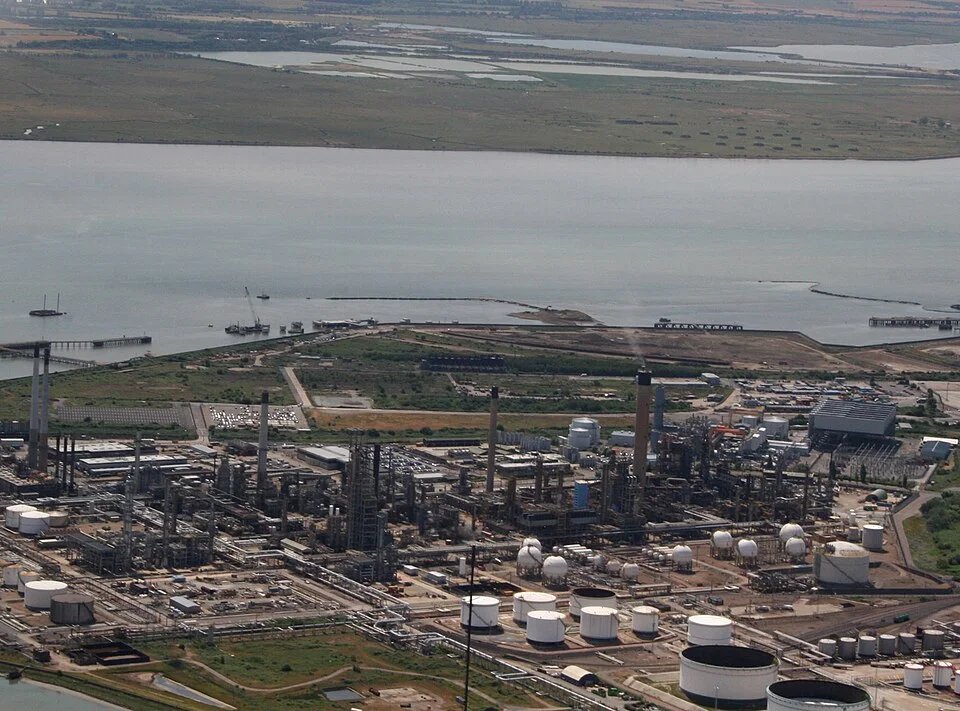
President Donald Trump announced that Russian President Vladimir Putin has agreed to supply “hundreds of thousands of tons” of diesel fuel to the United States and global markets in the coming months, a move designed to blunt the political fallout from soaring energy costs ahead of the November midterm elections. The deal follows Trump’s recent signing of legislation authorising new sanctions and tariffs on nations importing Russian oil and gas, and comes after he pressured European allies to tap additional oil reserves, deferred federal taxes on diesel, and promised not to renew attacks on Iran until after the vote. Trump framed the arrangement as a way to lower fuel prices for “Great Farmers, Ranchers, and Truckers,” posting on Truth Social that reducing diesel costs is his “Greatest Priority.”
The announcement arrives amid a sharp rise in U.S. fuel prices that has hurt agricultural states such as Iowa, Kansas, Texas and Ohio, where diesel is essential for farm equipment and product transport, turning these regions into pivotal battlegrounds for congressional control. Critics, including Ukrainian President Volodymyr Zelensky, denounced the deal as a “gift” to Putin that could fund Russia’s war effort, arguing that allowing Russian petroleum sales prolongs the conflict. European allies and some American lawmakers also warned that the arrangement might inadvertently bolster Moscow’s hard‑currency reserves, while the actual impact on domestic diesel prices remains uncertain because the promised European diesel release has not yet shifted market rates and Russian refinery capacity has been repeatedly damaged by Ukrainian strikes.
Even if Russia delivers the reported 300,000 tons of diesel this month, it would cover only about half of the United States’ daily consumption of roughly 3.6 million barrels, leaving the broader effect on national fuel costs ambiguous. Early voting has already begun, and the timing of the deal suggests Trump hopes the perceived relief will sway voters in key farming states, though there is no clear evidence that the supply will reach the market quickly enough to influence prices before the election. The controversy highlights the growing pressure on the administration to address inflation‑driven discontent while navigating diplomatic sensitivities, and it underscores how energy policy is now intertwined with the electoral fortunes of both parties as the midterms approach.
⚡ Effects Interpreter
🌍World Economymedium impact
What this means for you
- ▶Global boardrooms tend to take notice when a story like this surfaces.
- ▶Foreign direct investment decisions can hinge on how this plays out.
🏙️Local Economylow impact
What this means for you
- ▶Jobs and trade close to home may feel a soft knock-on effect.
- ▶The cost of a weekly food shop can creep up in the background.
🏦Rates & Banksmedium impact
What this means for you
- ▶Rate decisions tend to follow data, not headlines, so patience is the norm.
- ▶Lenders typically hold their nerve until a clearer trend appears.
❤️Healthlow impact
What this means for you
- ▶Local health services might get busier depending on how things develop.
- ▶A measured response usually serves communities better than alarm.
💷Wealthlow impact
What this means for you
- ▶Your pension or investments might sway a touch as markets digest this.
- ▶Financial plans built on solid ground rarely need urgent revisiting here.
🏠Housinglow impact
What this means for you
- ▶Landlords and tenants alike rarely feel sudden shifts from a story like this.
- ▶Mortgage deals may edge around if lenders read the wider mood.
🌍 Effects for your country
The U.S.'s central bank rate currently stands at 3.75%, so a global rates move like this could feed through to local borrowing costs. The U.S.'s economy is growing at 2.3% with inflation at 3.2%, the backdrop this story's effects play out against locally. Housing-market effects like this are usually felt most where mortgage rates track the U.S.'s own central bank rate closely. With the U.S.'s unemployment at 4.4%, personal-finance effects like this land on a labour market that is currently fairly stable. Health-system effects are harder to localise from economic indicators alone — the real impact in the U.S. depends more on local healthcare capacity than the figures above.
The UK's central bank rate currently stands at 3.75%, so a global rates move like this could feed through to local borrowing costs. The UK's economy is growing at 0.8% with inflation at 3.2%, the backdrop this story's effects play out against locally. Housing-market effects like this are usually felt most where mortgage rates track the UK's own central bank rate closely. With the UK's unemployment at 5.6%, personal-finance effects like this land on a labour market that is currently fairly stable. Health-system effects are harder to localise from economic indicators alone — the real impact in the UK depends more on local healthcare capacity than the figures above.
France's central bank rate currently stands at 2%, so a global rates move like this could feed through to local borrowing costs. France's economy is growing at 0.9% with inflation at 1.8%, the backdrop this story's effects play out against locally. Housing-market effects like this are usually felt most where mortgage rates track France's own central bank rate closely. With France's unemployment at 7.9%, personal-finance effects like this land on a labour market that is already under strain. Health-system effects are harder to localise from economic indicators alone — the real impact in France depends more on local healthcare capacity than the figures above.
Romania's central bank rate currently stands at 6.5%, so a global rates move like this could feed through to local borrowing costs. Romania's economy is growing at 0.7% with inflation at 7.8%, the backdrop this story's effects play out against locally. Housing-market effects like this are usually felt most where mortgage rates track Romania's own central bank rate closely. With Romania's unemployment at 6%, personal-finance effects like this land on a labour market that is currently fairly stable. Health-system effects are harder to localise from economic indicators alone — the real impact in Romania depends more on local healthcare capacity than the figures above.
The UAE's central bank rate currently stands at 3.65%, so a global rates move like this could feed through to local borrowing costs. The UAE's economy is growing at 3.1% with inflation at 2.5%, the backdrop this story's effects play out against locally. Housing-market effects like this are usually felt most where mortgage rates track the UAE's own central bank rate closely. Health-system effects are harder to localise from economic indicators alone — the real impact in the UAE depends more on local healthcare capacity than the figures above.