Burnham to push for new post-Brexit deals at EU summit
Source: BBC Politics ↗ (cross-verified by 2 outlets — full list below)
Corrected 2026-10-13: The UK Prime Minister was incorrectly named "Keir Burner" throughout; corrected to "Burnham". See the full corrections log.
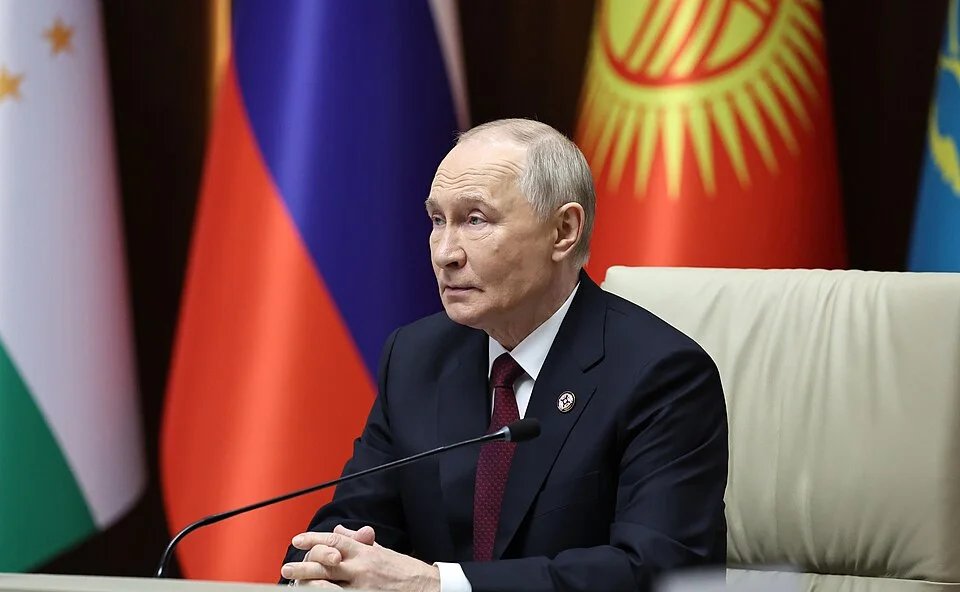
British Prime Minister Keir Burnham announced that his government will pursue a series of new post‑Brexit arrangements with the European Union at the November summit, focusing on deeper cooperation in youth mobility, food and drink, and energy. He warned that the EU’s “Made In Europe” initiative, designed to shield European industry from Chinese competition, could jeopardise UK manufacturing and supply chains, and said he is negotiating an “arrangement” that safeguards British interests. While reaffirming Labour’s manifesto red lines—no return to the single market, customs union, or freedom of movement—Burnham stressed that the immediate priority is a successful summit outcome, which he believes could add the equivalent of £10 billion a year to the UK economy by 2040.
The push for new deals follows a series of practical problems caused by regulatory divergence since the 2020 withdrawal agreement, particularly in food exports. Divergent food standards have led to costly delays and waste, with whole truckloads of produce destroyed over missing stamps or paperwork hiccups. Scottish salmon, for example, faces a 100 % document‑check rate at the border, costing around £100 million in lost exports, while fresh meat and seed potatoes are effectively barred from the EU market. A 2025 post‑Brexit accord that secured EU fishing access until 2038 also reduced checks on food shipments, allowing raw burgers and sausages to re‑enter the EU for the first time since Brexit. Burnham argues that extending similar concessions on food, drink, and energy trading could alleviate supermarket price pressure and cut wholesale energy costs by up to 20 % in Northern Ireland.
The proposals have sparked sharp criticism from Conservative leader Kemi Badenoch, who accused Burnham of “un‑picking” the deal the UK signed a decade ago and warned that revealing negotiating aims undermines Britain’s bargaining position. Badenoch, a former trade secretary, contended that the EU are tough negotiators and that Burnham’s public statements risk handing the EU a better deal than the one secured under previous Conservative governments. Burnham, however, maintains that a pragmatic, public‑backed approach is essential for growth, immigration control, and security cooperation, and that maintaining the status quo would be a dereliction of duty for Britain.
⚡ Effects Interpreter
🌍World Economymedium impact
What this means for you
- ▶Policy turns can send quiet ripples through the wider economy.
- ▶Foreign investors usually pause to reassess after political headlines like this.
🏙️Local Economylow impact
What this means for you
- ▶Slight firms on your street could pass costs on cautiously, bit by bit.
- ▶The knock-on for local trade is usually gradual rather than sudden.
🏦Rates & Bankslow impact
What this means for you
- ▶Any rate move here is likely to lag the headlines.
- ▶Savers might see little change until the wider picture becomes clearer.
❤️Healthmedium impact
What this means for you
- ▶A little perspective usually helps once the initial shock fades.
- ▶Public health messaging can go a long way toward easing collective worry.
💷Wealthmedium impact
What this means for you
- ▶Money set aside for the future can afford to sit tight through this.
- ▶Keeping perspective on your timeline usually beats reacting to any single story.
🏠Housinglow impact
What this means for you
- ▶Any effect on bricks and mortar is likely to be slow and modest.
- ▶Anyone selling soon might want a fresh valuation once the dust settles.
🌍 Effects for your country
The U.S.'s central bank rate currently stands at 3.75%, so a global rates move like this could feed through to local borrowing costs. The U.S.'s economy is growing at 2.3% with inflation at 3.2%, the backdrop this story's effects play out against locally. Housing-market effects like this are usually felt most where mortgage rates track the U.S.'s own central bank rate closely. With the U.S.'s unemployment at 4.4%, personal-finance effects like this land on a labour market that is currently fairly stable. Health-system effects are harder to localise from economic indicators alone — the real impact in the U.S. depends more on local healthcare capacity than the figures above.
The UK's central bank rate currently stands at 3.75%, so a global rates move like this could feed through to local borrowing costs. The UK's economy is growing at 0.8% with inflation at 3.2%, the backdrop this story's effects play out against locally. Housing-market effects like this are usually felt most where mortgage rates track the UK's own central bank rate closely. With the UK's unemployment at 5.6%, personal-finance effects like this land on a labour market that is currently fairly stable. Health-system effects are harder to localise from economic indicators alone — the real impact in the UK depends more on local healthcare capacity than the figures above.
France's central bank rate currently stands at 2%, so a global rates move like this could feed through to local borrowing costs. France's economy is growing at 0.9% with inflation at 1.8%, the backdrop this story's effects play out against locally. Housing-market effects like this are usually felt most where mortgage rates track France's own central bank rate closely. With France's unemployment at 7.9%, personal-finance effects like this land on a labour market that is already under strain. Health-system effects are harder to localise from economic indicators alone — the real impact in France depends more on local healthcare capacity than the figures above.
Romania's central bank rate currently stands at 6.5%, so a global rates move like this could feed through to local borrowing costs. Romania's economy is growing at 0.7% with inflation at 7.8%, the backdrop this story's effects play out against locally. Housing-market effects like this are usually felt most where mortgage rates track Romania's own central bank rate closely. With Romania's unemployment at 6%, personal-finance effects like this land on a labour market that is currently fairly stable. Health-system effects are harder to localise from economic indicators alone — the real impact in Romania depends more on local healthcare capacity than the figures above.
The UAE's central bank rate currently stands at 3.65%, so a global rates move like this could feed through to local borrowing costs. The UAE's economy is growing at 3.1% with inflation at 2.5%, the backdrop this story's effects play out against locally. Housing-market effects like this are usually felt most where mortgage rates track the UAE's own central bank rate closely. Health-system effects are harder to localise from economic indicators alone — the real impact in the UAE depends more on local healthcare capacity than the figures above.