'Cockroach' group leaders among hundreds detained in Delhi protest
Source: BBC World ↗ (cross-verified by 3 outlets — full list below)
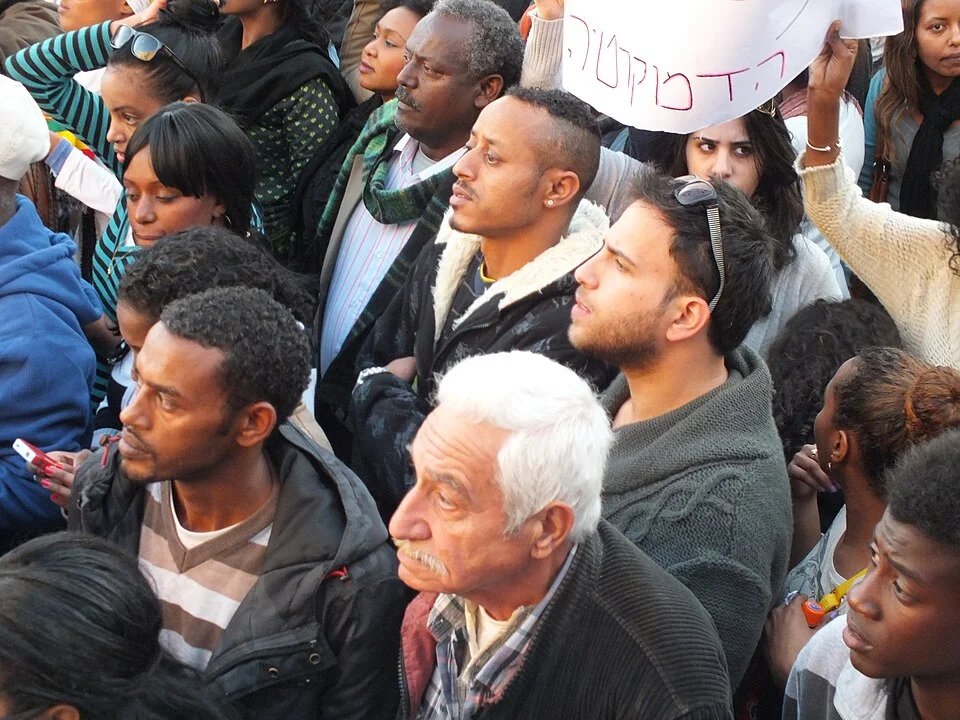
Hundreds of demonstrators from the Gen‑Z‑led Cockroach Janta Party (CJP) were detained in Delhi as the group pressed ahead with a protest demanding electoral reforms, despite the police refusing permission to assemble at the iconic Jantar Mantar. The movement’s founder, Abhijeet Dipke, who launched the campaign in May after India’s chief justice likened unemployed youth to “cockroaches,” was arrested along with two other leaders, Saurav Das and Ashutosh Ranka, when their flight from Mumbai landed in the capital. Security forces numbered in the tens of thousands, roads were barricaded and public transport curtailed, yet the CJP’s newly appointed leader Ajinkya Shinde released a video urging participants to continue, warning that any police obstruction would become the new protest site.
The CJP’s central demand is the resignation of Chief Election Commissioner Gyanesh Kumar, whom the group and opposition parties accuse of manipulating voter rolls to favour Prime Minister Narendra Modi’s Bharatiya Janata Party. The election commission, however, maintains that its nationwide roll‑updating exercise is a routine effort to remove deceased, duplicate or ineligible voters, even as thousands across several states claim they have been wrongly deleted. The timing of the protest is significant, coming months before pivotal state elections, and follows the CJP’s earlier prominence during summer rallies that secured the resignation of Education Minister Dharmendra Pradhan over broader grievances such as unemployment and exam paper leaks.
Detained activists, including student organizer Neha Bora, called on fellow protesters to “hold the line,” while participants like Sabika Muzaffar recounted preparing lawyer contact numbers before being taken away by police. The heavy security presence prevented crowds from reaching Jantar Mantar, with multiple train services cancelled, metro stations closed, and buses seen transporting arrested protesters away from the site. The crackdown underscores the tension between a burgeoning youth‑driven movement seeking systemic electoral change and authorities determined to limit its visibility, setting the stage for further confrontations as the election season approaches.
⚡ Effects Interpreter
🌍World Economylow impact
What this means for you
- ▶Markets around the world could take their cue from how this story unfolds.
- ▶Cross-border money flows can quietly change direction after events like this.
🏙️Local Economylow impact
What this means for you
- ▶Local suppliers who import goods may pass on any change in costs.
- ▶Modest businesses nearby might tweak their prices in the weeks ahead.
🏦Rates & Banksmedium impact
What this means for you
- ▶Your monthly repayments are far more likely to hold steady than to spike.
- ▶Your loan or mortgage rate is more likely to drift than to lurch here.
❤️Healthmedium impact
What this means for you
- ▶Community spirit usually steadies nerves when headlines feel unsettling.
- ▶Support networks, formal or informal, tend to matter most in moments like this.
💷Wealthlow impact
What this means for you
- ▶Checking in on your finances now and then is good practice regardless of headlines.
- ▶It might be worth a quick look at your ISA or pension in the coming days.
🏠Housinglow impact
What this means for you
- ▶Buyers and renters might notice only a soft drift, if anything at all.
- ▶Surveyors and valuers tend to factor in wider trends gradually, not overnight.
🌍 Effects for your country
The U.S.'s central bank rate currently stands at 3.75%, so a global rates move like this could feed through to local borrowing costs. The U.S.'s economy is growing at 2.3% with inflation at 3.2%, the backdrop this story's effects play out against locally. Housing-market effects like this are usually felt most where mortgage rates track the U.S.'s own central bank rate closely. With the U.S.'s unemployment at 4.4%, personal-finance effects like this land on a labour market that is currently fairly stable. Health-system effects are harder to localise from economic indicators alone — the real impact in the U.S. depends more on local healthcare capacity than the figures above.
The UK's central bank rate currently stands at 3.75%, so a global rates move like this could feed through to local borrowing costs. The UK's economy is growing at 0.8% with inflation at 3.2%, the backdrop this story's effects play out against locally. Housing-market effects like this are usually felt most where mortgage rates track the UK's own central bank rate closely. With the UK's unemployment at 5.6%, personal-finance effects like this land on a labour market that is currently fairly stable. Health-system effects are harder to localise from economic indicators alone — the real impact in the UK depends more on local healthcare capacity than the figures above.
France's central bank rate currently stands at 2%, so a global rates move like this could feed through to local borrowing costs. France's economy is growing at 0.9% with inflation at 1.8%, the backdrop this story's effects play out against locally. Housing-market effects like this are usually felt most where mortgage rates track France's own central bank rate closely. With France's unemployment at 7.9%, personal-finance effects like this land on a labour market that is already under strain. Health-system effects are harder to localise from economic indicators alone — the real impact in France depends more on local healthcare capacity than the figures above.
Romania's central bank rate currently stands at 6.5%, so a global rates move like this could feed through to local borrowing costs. Romania's economy is growing at 0.7% with inflation at 7.8%, the backdrop this story's effects play out against locally. Housing-market effects like this are usually felt most where mortgage rates track Romania's own central bank rate closely. With Romania's unemployment at 6%, personal-finance effects like this land on a labour market that is currently fairly stable. Health-system effects are harder to localise from economic indicators alone — the real impact in Romania depends more on local healthcare capacity than the figures above.
The UAE's central bank rate currently stands at 3.65%, so a global rates move like this could feed through to local borrowing costs. The UAE's economy is growing at 3.1% with inflation at 2.5%, the backdrop this story's effects play out against locally. Housing-market effects like this are usually felt most where mortgage rates track the UAE's own central bank rate closely. Health-system effects are harder to localise from economic indicators alone — the real impact in the UAE depends more on local healthcare capacity than the figures above.