Cryptocurrency Exchange Collapse Triggers Investor Losses and Probe
Source: Reuters ↗ (cross-verified by 3 outlets — full list below)
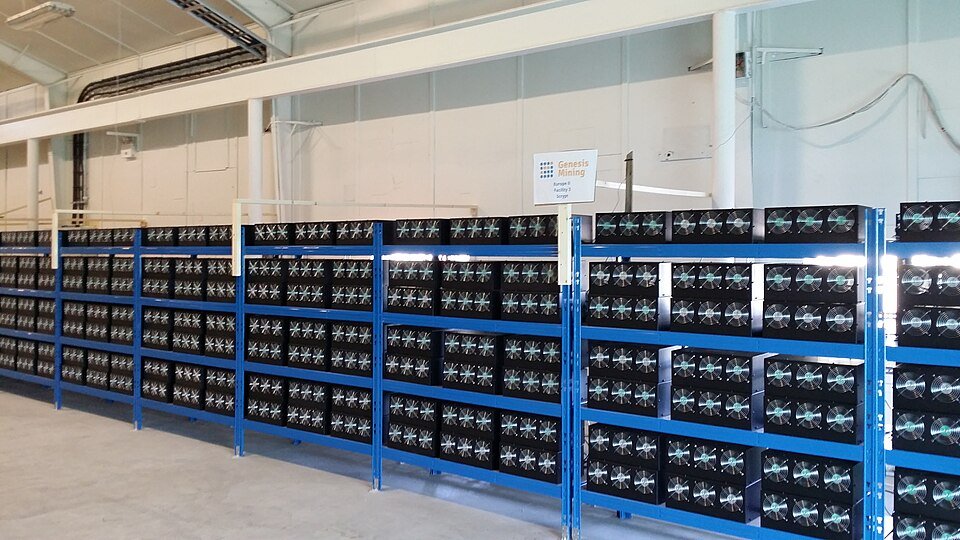
The failure of a cryptocurrency exchange has left investors facing losses and sparked a regulatory investigation.
A cryptocurrency exchange collapsed amid allegations of mismanagement, freezing customer funds and prompting investigations into its practices.
Regulators renewed calls for stronger oversight of crypto platforms, while affected users face uncertain prospects of recovering money.
⚡ Effects Interpreter
🌍World Economy
What this means for you
- ▶Exchange failures highlight systemic risks in loosely regulated crypto markets.
- ▶Such events accelerate global efforts to regulate digital assets.
🏙️Local Economy
What this means for you
- ▶Local investors caught in the collapse may face significant losses.
- ▶Awareness of platform risk can protect other local savers.
🏦Rates & Banks
What this means for you
- ▶Crypto turmoil has limited direct effect on mainstream interest rates.
- ▶Banks remain cautious about exposure to digital-asset platforms.
❤️Health
What this means for you
- ▶Sudden financial loss can cause severe stress for affected investors.
- ▶Support and clear information help those coping with losses.
💷Wealth
What this means for you
- ▶Only invest in crypto what you can afford to lose, given platform risks.
- ▶Diversification and reputable custody reduce exposure to single-platform failure.
🏠Housing
What this means for you
- ▶Investors who put housing funds into crypto face heightened risk.
- ▶The collapse has no direct effect on property markets.
🌍 Effects for your country
The U.S.'s central bank rate currently stands at 3.75%, so a global rates move like this could feed through to local borrowing costs. The U.S.'s economy is growing at 2.3% with inflation at 3.2%, the backdrop this story's effects play out against locally. Housing-market effects like this are usually felt most where mortgage rates track the U.S.'s own central bank rate closely. With the U.S.'s unemployment at 4.4%, personal-finance effects like this land on a labour market that is currently fairly stable. Health-system effects are harder to localise from economic indicators alone — the real impact in the U.S. depends more on local healthcare capacity than the figures above.
The UK's central bank rate currently stands at 3.75%, so a global rates move like this could feed through to local borrowing costs. The UK's economy is growing at 0.8% with inflation at 3.2%, the backdrop this story's effects play out against locally. Housing-market effects like this are usually felt most where mortgage rates track the UK's own central bank rate closely. With the UK's unemployment at 5.6%, personal-finance effects like this land on a labour market that is currently fairly stable. Health-system effects are harder to localise from economic indicators alone — the real impact in the UK depends more on local healthcare capacity than the figures above.
France's central bank rate currently stands at 2%, so a global rates move like this could feed through to local borrowing costs. France's economy is growing at 0.9% with inflation at 1.8%, the backdrop this story's effects play out against locally. Housing-market effects like this are usually felt most where mortgage rates track France's own central bank rate closely. With France's unemployment at 7.9%, personal-finance effects like this land on a labour market that is already under strain. Health-system effects are harder to localise from economic indicators alone — the real impact in France depends more on local healthcare capacity than the figures above.
Romania's central bank rate currently stands at 6.5%, so a global rates move like this could feed through to local borrowing costs. Romania's economy is growing at 0.7% with inflation at 7.8%, the backdrop this story's effects play out against locally. Housing-market effects like this are usually felt most where mortgage rates track Romania's own central bank rate closely. With Romania's unemployment at 6%, personal-finance effects like this land on a labour market that is currently fairly stable. Health-system effects are harder to localise from economic indicators alone — the real impact in Romania depends more on local healthcare capacity than the figures above.
The UAE's central bank rate currently stands at 3.65%, so a global rates move like this could feed through to local borrowing costs. The UAE's economy is growing at 3.1% with inflation at 2.5%, the backdrop this story's effects play out against locally. Housing-market effects like this are usually felt most where mortgage rates track the UAE's own central bank rate closely. Health-system effects are harder to localise from economic indicators alone — the real impact in the UAE depends more on local healthcare capacity than the figures above.