Global Vaccine Alliance Reaches One Billion Doses Delivered to Poorer Nations
Source: WHO ↗ (cross-verified by 3 outlets — full list below)
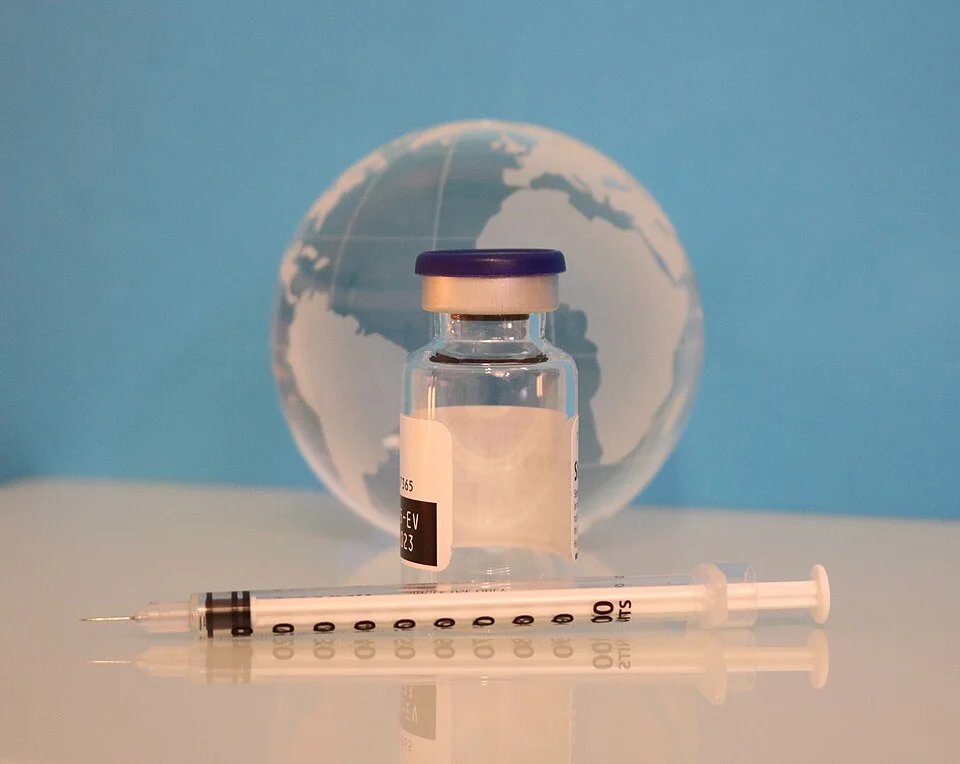
An international vaccine initiative has passed a milestone of one billion doses delivered to lower-income countries.
A global vaccine alliance announced it has delivered its billionth dose to lower-income nations, strengthening routine immunisation and outbreak response.
Public-health officials called it a major achievement while stressing that sustained funding is needed to maintain coverage and reach remaining communities.
⚡ Effects Interpreter
🌍World Economy
What this means for you
- ▶Wider immunisation supports global health security and economic stability.
- ▶Healthier populations underpin stronger long-term growth.
🏙️Local Economy
What this means for you
- ▶Vaccination reduces illness-related disruption in recipient communities.
- ▶Stronger health systems support local economic activity.
🏦Rates & Banks
What this means for you
- ▶The initiative is a health programme with no direct rate effect.
- ▶Reduced disease burden supports steadier economies.
❤️Health
What this means for you
- ▶Immunisation prevents disease, disability and deaths at scale.
- ▶Stronger routine coverage builds resilience against outbreaks.
💷Wealth
What this means for you
- ▶Vaccine manufacturers and logistics firms play a role in delivery.
- ▶Healthier populations protect household incomes from illness.
🏠Housing
What this means for you
- ▶There is no direct connection to housing markets.
- ▶Healthier communities support stable local economies.
🌍 Effects for your country
The U.S.'s central bank rate currently stands at 3.75%, so a global rates move like this could feed through to local borrowing costs. The U.S.'s economy is growing at 2.3% with inflation at 3.2%, the backdrop this story's effects play out against locally. Housing-market effects like this are usually felt most where mortgage rates track the U.S.'s own central bank rate closely. With the U.S.'s unemployment at 4.4%, personal-finance effects like this land on a labour market that is currently fairly stable. Health-system effects are harder to localise from economic indicators alone — the real impact in the U.S. depends more on local healthcare capacity than the figures above.
The UK's central bank rate currently stands at 3.75%, so a global rates move like this could feed through to local borrowing costs. The UK's economy is growing at 0.8% with inflation at 3.2%, the backdrop this story's effects play out against locally. Housing-market effects like this are usually felt most where mortgage rates track the UK's own central bank rate closely. With the UK's unemployment at 5.6%, personal-finance effects like this land on a labour market that is currently fairly stable. Health-system effects are harder to localise from economic indicators alone — the real impact in the UK depends more on local healthcare capacity than the figures above.
France's central bank rate currently stands at 2%, so a global rates move like this could feed through to local borrowing costs. France's economy is growing at 0.9% with inflation at 1.8%, the backdrop this story's effects play out against locally. Housing-market effects like this are usually felt most where mortgage rates track France's own central bank rate closely. With France's unemployment at 7.9%, personal-finance effects like this land on a labour market that is already under strain. Health-system effects are harder to localise from economic indicators alone — the real impact in France depends more on local healthcare capacity than the figures above.
Romania's central bank rate currently stands at 6.5%, so a global rates move like this could feed through to local borrowing costs. Romania's economy is growing at 0.7% with inflation at 7.8%, the backdrop this story's effects play out against locally. Housing-market effects like this are usually felt most where mortgage rates track Romania's own central bank rate closely. With Romania's unemployment at 6%, personal-finance effects like this land on a labour market that is currently fairly stable. Health-system effects are harder to localise from economic indicators alone — the real impact in Romania depends more on local healthcare capacity than the figures above.
The UAE's central bank rate currently stands at 3.65%, so a global rates move like this could feed through to local borrowing costs. The UAE's economy is growing at 3.1% with inflation at 2.5%, the backdrop this story's effects play out against locally. Housing-market effects like this are usually felt most where mortgage rates track the UAE's own central bank rate closely. Health-system effects are harder to localise from economic indicators alone — the real impact in the UAE depends more on local healthcare capacity than the figures above.