'I woke from surgery to find it hadn't been done'
Source: BBC Health ↗ (cross-verified by 2 outlets — full list below)
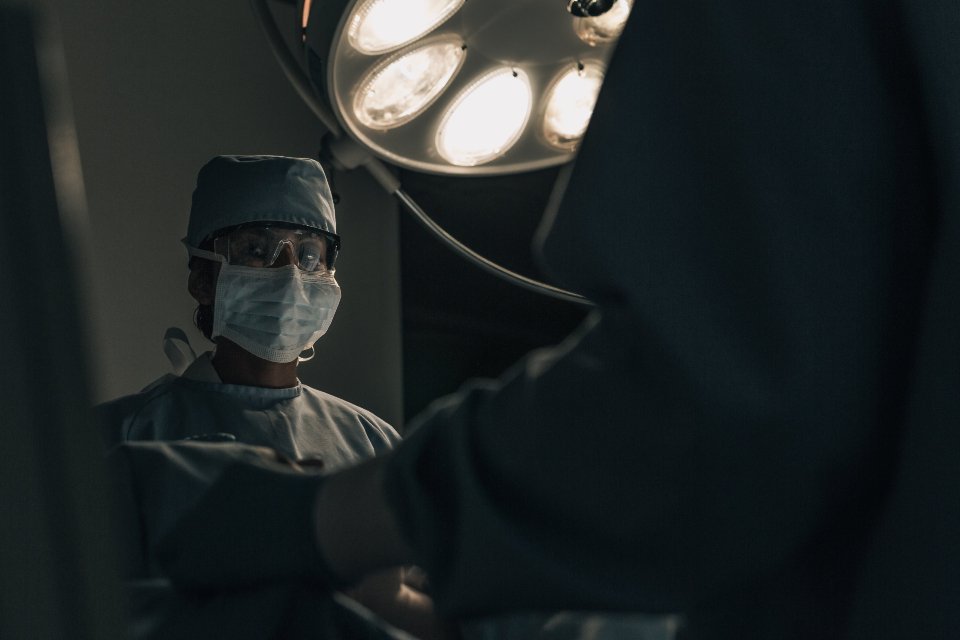
Kelly O’Shea, a 32‑year‑old mother living with chronic pain, awoke from two separate endometriosis operations only to be told that the necessary procedures had not been performed because essential specialists were unavailable. In the most recent case, she was awakened 45 minutes after anesthesia when a bowel surgeon could not attend, leaving her bowel‑involved endometriosis untouched; a previous surgery was cut short when the theatre was needed for an urgent case. Frustrated and desperate, O’Shea paid £20,000 for the treatment she required, describing a loss of faith in women’s health services after enduring daily pain for three and a half years, with symptoms dating back to her teenage years.
Her experience highlights systemic problems in Wales’ specialist endometriosis care. Gynaecologists at a recent cross‑party Senedd group warned that specialist centres are jeopardised by insufficient funding and staffing, making the current setup “not sustainable.” The British Society for Gynaecological Endoscopy (BSGE) is tightening accreditation standards, requiring dedicated multidisciplinary teams—including named gynaecologists, specialist nurses, colorectal surgeons, urologists and radiologists—to be available at least six times a year. Clinicians say Welsh hospitals lack the theatre time and funded positions to meet these thresholds, risking service downgrades, a skills exodus and the need to refer patients to England. The Royal College of Obstetricians and Gynaecologists echoed calls for a nationally commissioned service or a revised funding model to reflect the true cost of complex care.
If the resource gaps persist, patients like O’Shea may face prolonged waits—potentially up to two years—for treatment at other Welsh centres or be transferred to England, as already discussed for her case. The situation underscores broader concerns that women’s health in Wales is “completely broken,” with endometriosis affecting an estimated one in ten women and, for the 40 % who require hospital care, the lack of coordinated multidisciplinary services could exacerbate pain, scar tissue formation, fertility issues and overall quality of life.
⚡ Effects Interpreter
🌍World Economylow impact
What this means for you
- ▶Global supply chains might feel a modest tremor as businesses adjust.
- ▶Trade and investment between countries could shift a touch if things escalate.
🏙️Local Economymedium impact
What this means for you
- ▶The pinch, if any, tends to show up first at the till.
- ▶The cost of a weekly food shop can creep up in the background.
🏦Rates & Bankslow impact
What this means for you
- ▶Interest rates and mortgage bills are unlikely to jump straight away from this alone.
- ▶Base rate decisions are usually made on data trends, not single headlines.
❤️Healthmedium impact
What this means for you
- ▶A short chat with a pharmacist can clear up plenty of uncertainty.
- ▶Staying calm and informed tends to help more than worrying alone.
💷Wealthmedium impact
What this means for you
- ▶Medical bills, where they apply, are worth planning for ahead of time.
- ▶The financial side of health news is easy to overlook, but it adds up.
🏠Housingmedium impact
What this means for you
- ▶Bricks and mortar tend to hold steady while other markets swing about.
- ▶Housing supply and demand rarely turn on a single piece of news.
🌍 Effects for your country
The U.S.'s central bank rate currently stands at 3.75%, so a global rates move like this could feed through to local borrowing costs. The U.S.'s economy is growing at 2.3% with inflation at 3.2%, the backdrop this story's effects play out against locally. Housing-market effects like this are usually felt most where mortgage rates track the U.S.'s own central bank rate closely. With the U.S.'s unemployment at 4.4%, personal-finance effects like this land on a labour market that is currently fairly stable. Health-system effects are harder to localise from economic indicators alone — the real impact in the U.S. depends more on local healthcare capacity than the figures above.
The UK's central bank rate currently stands at 3.75%, so a global rates move like this could feed through to local borrowing costs. The UK's economy is growing at 0.8% with inflation at 3.2%, the backdrop this story's effects play out against locally. Housing-market effects like this are usually felt most where mortgage rates track the UK's own central bank rate closely. With the UK's unemployment at 5.6%, personal-finance effects like this land on a labour market that is currently fairly stable. Health-system effects are harder to localise from economic indicators alone — the real impact in the UK depends more on local healthcare capacity than the figures above.
France's central bank rate currently stands at 2%, so a global rates move like this could feed through to local borrowing costs. France's economy is growing at 0.9% with inflation at 1.8%, the backdrop this story's effects play out against locally. Housing-market effects like this are usually felt most where mortgage rates track France's own central bank rate closely. With France's unemployment at 7.9%, personal-finance effects like this land on a labour market that is already under strain. Health-system effects are harder to localise from economic indicators alone — the real impact in France depends more on local healthcare capacity than the figures above.
Romania's central bank rate currently stands at 6.5%, so a global rates move like this could feed through to local borrowing costs. Romania's economy is growing at 0.7% with inflation at 7.8%, the backdrop this story's effects play out against locally. Housing-market effects like this are usually felt most where mortgage rates track Romania's own central bank rate closely. With Romania's unemployment at 6%, personal-finance effects like this land on a labour market that is currently fairly stable. Health-system effects are harder to localise from economic indicators alone — the real impact in Romania depends more on local healthcare capacity than the figures above.
The UAE's central bank rate currently stands at 3.65%, so a global rates move like this could feed through to local borrowing costs. The UAE's economy is growing at 3.1% with inflation at 2.5%, the backdrop this story's effects play out against locally. Housing-market effects like this are usually felt most where mortgage rates track the UAE's own central bank rate closely. Health-system effects are harder to localise from economic indicators alone — the real impact in the UAE depends more on local healthcare capacity than the figures above.