Russia hits second major bridge in Ukraine's capital Kyiv
Source: BBC World ↗ (cross-verified by 3 outlets — full list below)
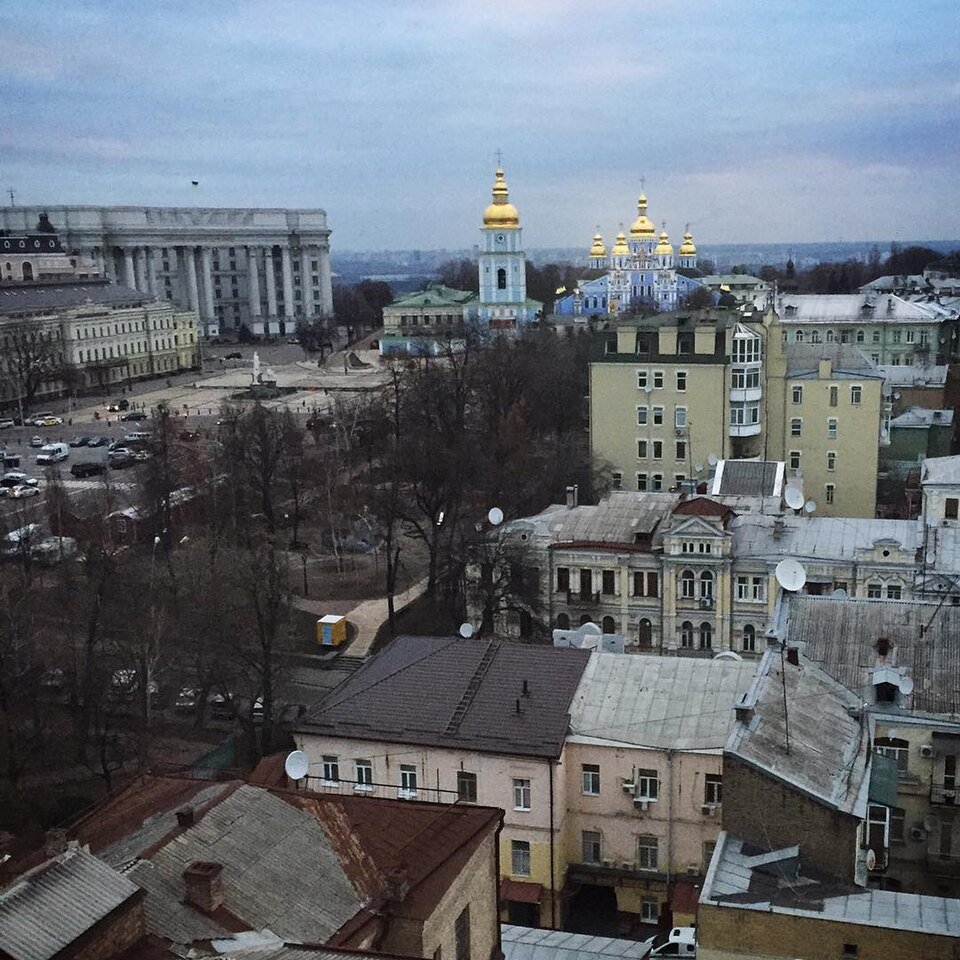
A Russian drone strike hit Kyiv’s Pivnichnyi (Northern) Bridge on Saturday morning, injuring two people and damaging the road surface and overhead trolleybus wires, Mayor Vitaliy Klitschko said. The attack, which blocked traffic from the left to the right bank of the Dnipro River, follows a series of strikes on the city’s other major crossing, the Pivdennyi (Southern) Bridge, which was hit multiple times earlier in the week. Both bridges, vital for moving troops, military cargo and daily commuters across the capital’s western and eastern halves, had not been targeted until Thursday. Russian officials claim the drones struck the two bridges used for Ukrainian military logistics, while Moscow also urged foreign nationals, including diplomats, to leave Kyiv.
The repeated assaults on Kyiv’s critical infrastructure have forced the city into a “very dramatic situation,” according to Klitschko, who warned that Moscow is “tearing Kyiv apart.” The strikes have severed road, rail and trolleybus links across the wide river, prompting traffic jams and prompting authorities to consider contingency measures such as ferries or temporary pontoon bridges. Experts note that while the drones are unlikely to collapse the structures outright, repeated hits could weaken them, especially since the bridges are already aging and were not designed for the heavier traffic they now bear. Ukrainian lawmakers have discussed emergency plans to maintain connectivity if the bridges become unusable, reflecting fears that sustained attacks could effectively split the city in two.
President Volodymyr Zelensky condemned the attacks, saying President Vladimir Putin has declared that “there are no rules now” in targeting Ukrainian infrastructure, including bridges, data centres, hospitals and schools, with the aim of forcing civilians to flee. Putin, speaking at the Valdai forum, framed the strikes as retaliation for Ukrainian attacks on Russian oil refineries and Black Sea shipping, claiming Russia has lost about 1 % of its GDP as a result. The broader campaign of Russian attacks on energy and transport assets has intensified each winter since the invasion began in February 2022, and the latest bridge hits underscore a strategic shift toward disrupting Kyiv’s internal logistics and civilian mobility.
⚡ Effects Interpreter
🌍World Economylow impact
What this means for you
- ▶The ripples can spread across borders, nudging growth forecasts here and there.
- ▶Global supply chains might feel a slight tremor as businesses adjust.
🏙️Local Economylow impact
What this means for you
- ▶Household budgets may notice a modest ripple before too long.
- ▶Slight businesses nearby might tweak their prices in the weeks ahead.
🏦Rates & Banksmedium impact
What this means for you
- ▶Base rate decisions are usually made on data trends, not single headlines.
- ▶Your monthly repayments are far more likely to hold steady than to spike.
❤️Healthmedium impact
What this means for you
- ▶A story like this can linger in the back of people's minds for a while.
- ▶Being kind to yourself matters just as much as staying informed.
💷Wealthlow impact
What this means for you
- ▶Any hit to your money is more likely a ripple than a wave.
- ▶A modest, well-diversified nest egg tends to absorb shocks like this gradually.
🏠Housinglow impact
What this means for you
- ▶Housing chains involving multiple buyers can be sensitive to any wider wobble.
- ▶Any effect on bricks and mortar is likely to be slow and modest.
🌍 Effects for your country
The U.S.'s central bank rate currently stands at 3.75%, so a global rates move like this could feed through to local borrowing costs. The U.S.'s economy is growing at 2.3% with inflation at 3.2%, the backdrop this story's effects play out against locally. Housing-market effects like this are usually felt most where mortgage rates track the U.S.'s own central bank rate closely. With the U.S.'s unemployment at 4.4%, personal-finance effects like this land on a labour market that is currently fairly stable. Health-system effects are harder to localise from economic indicators alone — the real impact in the U.S. depends more on local healthcare capacity than the figures above.
The UK's central bank rate currently stands at 3.75%, so a global rates move like this could feed through to local borrowing costs. The UK's economy is growing at 0.8% with inflation at 3.2%, the backdrop this story's effects play out against locally. Housing-market effects like this are usually felt most where mortgage rates track the UK's own central bank rate closely. With the UK's unemployment at 5.6%, personal-finance effects like this land on a labour market that is currently fairly stable. Health-system effects are harder to localise from economic indicators alone — the real impact in the UK depends more on local healthcare capacity than the figures above.
France's central bank rate currently stands at 2%, so a global rates move like this could feed through to local borrowing costs. France's economy is growing at 0.9% with inflation at 1.8%, the backdrop this story's effects play out against locally. Housing-market effects like this are usually felt most where mortgage rates track France's own central bank rate closely. With France's unemployment at 7.9%, personal-finance effects like this land on a labour market that is already under strain. Health-system effects are harder to localise from economic indicators alone — the real impact in France depends more on local healthcare capacity than the figures above.
Romania's central bank rate currently stands at 6.5%, so a global rates move like this could feed through to local borrowing costs. Romania's economy is growing at 0.7% with inflation at 7.8%, the backdrop this story's effects play out against locally. Housing-market effects like this are usually felt most where mortgage rates track Romania's own central bank rate closely. With Romania's unemployment at 6%, personal-finance effects like this land on a labour market that is currently fairly stable. Health-system effects are harder to localise from economic indicators alone — the real impact in Romania depends more on local healthcare capacity than the figures above.
The UAE's central bank rate currently stands at 3.65%, so a global rates move like this could feed through to local borrowing costs. The UAE's economy is growing at 3.1% with inflation at 2.5%, the backdrop this story's effects play out against locally. Housing-market effects like this are usually felt most where mortgage rates track the UAE's own central bank rate closely. Health-system effects are harder to localise from economic indicators alone — the real impact in the UAE depends more on local healthcare capacity than the figures above.