SEC Proposal Would Address How Investment Advisers and Funds Can Custody Crypto Assets Under the Federal Securities Laws
Source: SEC Enforcement ↗
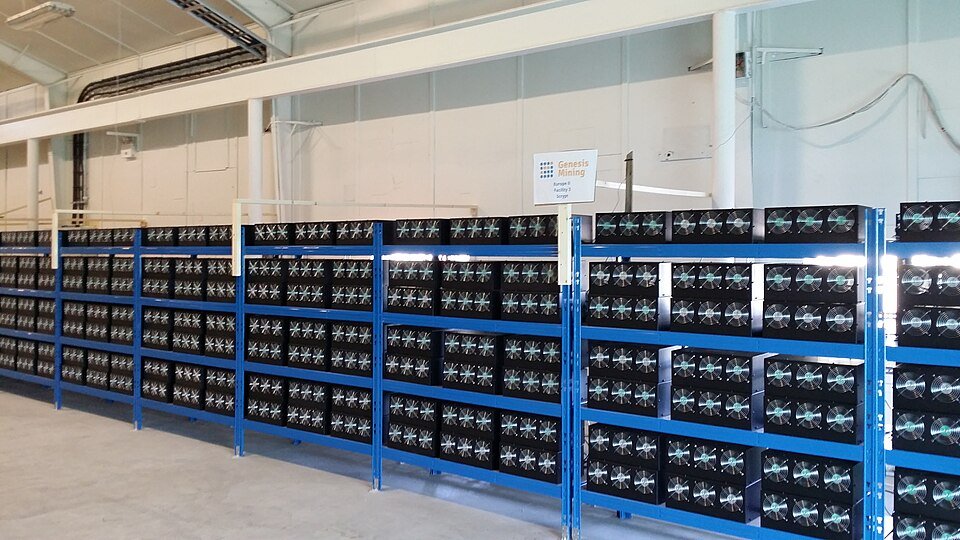
The U.S. Securities and Exchange Commission unveiled a proposal to create a specialized regulatory framework for the custody of crypto assets by registered investment advisers and regulated funds, including registered investment companies and business development companies. The rule changes would modernize existing custody requirements, permit self‑custody of crypto under defined conditions, and allow state trust companies to serve as custodians for client and fund holdings. SEC Chairman Paul S. Atkins highlighted that the rapid expansion of crypto from a niche market to a multi‑trillion‑dollar asset class has outpaced current regulations, leaving advisers and funds without a clear compliance pathway for offering crypto‑related advice and strategies.
The proposed amendments to the Investment Advisers Act of 1940 and the Investment Company Act of 1940 aim to align regulatory expectations with contemporary industry practices. Among the key updates are revised financial‑statement audit standards for registered advisers and new provisions governing broker‑dealer custodial services for regulated funds. By removing barriers that have historically prevented advisers from providing crypto investment advice, the SEC seeks to broaden investor choice and enable funds to incorporate a wider array of crypto‑focused strategies, thereby integrating digital assets more fully into mainstream investment portfolios.
The SEC has opened a 60‑day public comment period following the release of the proposal in the Federal Register, inviting industry participants, investors, and other stakeholders to weigh in on the suggested rules. If adopted, the framework would give advisers and funds a compliant avenue to hold and manage crypto assets, potentially increasing market participation and fostering greater confidence in digital‑asset investments. The outcome of the comment process will shape how quickly the securities industry can adapt to the evolving crypto landscape and could set a precedent for future regulatory approaches to emerging financial technologies.
⚡ Effects Interpreter
🌍World Economylow impact
What this means for you
- ▶Global boardrooms tend to take notice when news like this surfaces.
- ▶Global supply chains might feel a small tremor as businesses adjust.
🏙️Local Economylow impact
What this means for you
- ▶Modest businesses nearby might tweak their prices in the weeks ahead.
- ▶Local suppliers who import goods may pass on any change in costs.
🏦Rates & Bankslow impact
What this means for you
- ▶Borrowing rules might firm up briefly after cases like this.
- ▶Customers could notice a few more security prompts in the weeks ahead.
❤️Healthmedium impact
What this means for you
- ▶Being kind to yourself matters just as much as staying informed.
- ▶It's easy to underestimate how much stories like this weigh on people.
💷Wealthmedium impact
What this means for you
- ▶Victims usually have more protection than they realise — it's worth asking.
- ▶Being a touch more cautious with personal details rarely hurts.
🏠Housinglow impact
What this means for you
- ▶First-time buyers watching the market closely might see little change in the short term.
- ▶Landlords and tenants alike rarely feel sudden shifts from news like this.
🌍 Effects for your country
The U.S.'s central bank rate currently stands at 3.75%, so a global rates move like this could feed through to local borrowing costs. The U.S.'s economy is growing at 2.3% with inflation at 3.2%, the backdrop this story's effects play out against locally. Housing-market effects like this are usually felt most where mortgage rates track the U.S.'s own central bank rate closely. With the U.S.'s unemployment at 4.4%, personal-finance effects like this land on a labour market that is currently fairly stable. Health-system effects are harder to localise from economic indicators alone — the real impact in the U.S. depends more on local healthcare capacity than the figures above.
The UK's central bank rate currently stands at 3.75%, so a global rates move like this could feed through to local borrowing costs. The UK's economy is growing at 0.8% with inflation at 3.2%, the backdrop this story's effects play out against locally. Housing-market effects like this are usually felt most where mortgage rates track the UK's own central bank rate closely. With the UK's unemployment at 5.6%, personal-finance effects like this land on a labour market that is currently fairly stable. Health-system effects are harder to localise from economic indicators alone — the real impact in the UK depends more on local healthcare capacity than the figures above.
France's central bank rate currently stands at 2%, so a global rates move like this could feed through to local borrowing costs. France's economy is growing at 0.9% with inflation at 1.8%, the backdrop this story's effects play out against locally. Housing-market effects like this are usually felt most where mortgage rates track France's own central bank rate closely. With France's unemployment at 7.9%, personal-finance effects like this land on a labour market that is already under strain. Health-system effects are harder to localise from economic indicators alone — the real impact in France depends more on local healthcare capacity than the figures above.
Romania's central bank rate currently stands at 6.5%, so a global rates move like this could feed through to local borrowing costs. Romania's economy is growing at 0.7% with inflation at 7.8%, the backdrop this story's effects play out against locally. Housing-market effects like this are usually felt most where mortgage rates track Romania's own central bank rate closely. With Romania's unemployment at 6%, personal-finance effects like this land on a labour market that is currently fairly stable. Health-system effects are harder to localise from economic indicators alone — the real impact in Romania depends more on local healthcare capacity than the figures above.
The UAE's central bank rate currently stands at 3.65%, so a global rates move like this could feed through to local borrowing costs. The UAE's economy is growing at 3.1% with inflation at 2.5%, the backdrop this story's effects play out against locally. Housing-market effects like this are usually felt most where mortgage rates track the UAE's own central bank rate closely. Health-system effects are harder to localise from economic indicators alone — the real impact in the UAE depends more on local healthcare capacity than the figures above.