Stocks Drift as Europe’s Woes Dent Risk Appetite: Markets Wrap
Source: Bloomberg Markets ↗
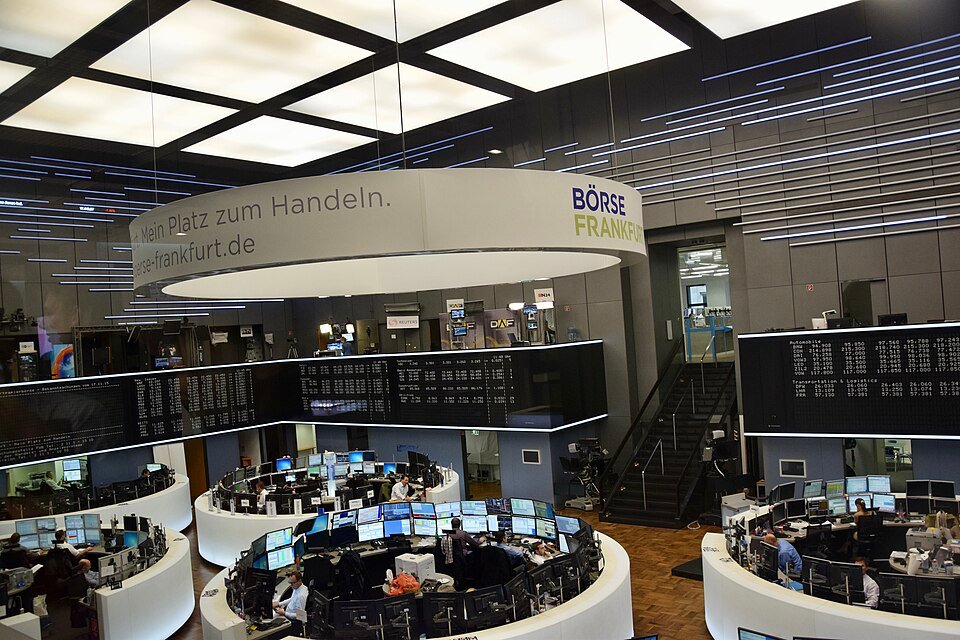
Stocks struggled for direction as political upheaval and mounting concern over Europe’s public finances dampened risk sentiment and sent the euro to a 17-month low against the dollar.
Further detail and context are available from the original source linked with this story.
⚡ Effects Interpreter
🌍World Economylow impact
What this means for you
- ▶Ripples can spread from one exchange to the next within hours.
- ▶Global investors may reshuffle quickly as the story sinks in.
🏙️Local Economylow impact
What this means for you
- ▶The high street usually mirrors big-picture shifts, just a touch further down the line.
- ▶Jobs and trade close to home might feel a soft knock-on effect.
🏦Rates & Bankslow impact
What this means for you
- ▶The next rate-setting meeting is a more likely trigger than this news alone.
- ▶The cost of borrowing tends to shift gradually rather than in one leap.
❤️Healthlow impact
What this means for you
- ▶Day-to-day stress can creep up if this starts touching familiar routines.
- ▶Stress levels in affected communities may tick up before they settle.
💷Wealthmedium impact
What this means for you
- ▶Traders' mood can move your investments before the week is out.
- ▶Staying invested through moments like this is usually the steadier bet.
🏠Housingmedium impact
What this means for you
- ▶Housing supply and demand rarely turn on a single piece of news.
- ▶Property values usually need more than one headline to really move.
🌍 Effects for your country
The U.S.'s central bank rate currently stands at 3.75%, so a global rates move like this could feed through to local borrowing costs. The U.S.'s economy is growing at 2.3% with inflation at 3.2%, the backdrop this story's effects play out against locally. Housing-market effects like this are usually felt most where mortgage rates track the U.S.'s own central bank rate closely. With the U.S.'s unemployment at 4.4%, personal-finance effects like this land on a labour market that is currently fairly stable. Health-system effects are harder to localise from economic indicators alone — the real impact in the U.S. depends more on local healthcare capacity than the figures above.
The UK's central bank rate currently stands at 3.75%, so a global rates move like this could feed through to local borrowing costs. The UK's economy is growing at 0.8% with inflation at 3.2%, the backdrop this story's effects play out against locally. Housing-market effects like this are usually felt most where mortgage rates track the UK's own central bank rate closely. With the UK's unemployment at 5.6%, personal-finance effects like this land on a labour market that is currently fairly stable. Health-system effects are harder to localise from economic indicators alone — the real impact in the UK depends more on local healthcare capacity than the figures above.
France's central bank rate currently stands at 2%, so a global rates move like this could feed through to local borrowing costs. France's economy is growing at 0.9% with inflation at 1.8%, the backdrop this story's effects play out against locally. Housing-market effects like this are usually felt most where mortgage rates track France's own central bank rate closely. With France's unemployment at 7.9%, personal-finance effects like this land on a labour market that is already under strain. Health-system effects are harder to localise from economic indicators alone — the real impact in France depends more on local healthcare capacity than the figures above.
Romania's central bank rate currently stands at 6.5%, so a global rates move like this could feed through to local borrowing costs. Romania's economy is growing at 0.7% with inflation at 7.8%, the backdrop this story's effects play out against locally. Housing-market effects like this are usually felt most where mortgage rates track Romania's own central bank rate closely. With Romania's unemployment at 6%, personal-finance effects like this land on a labour market that is currently fairly stable. Health-system effects are harder to localise from economic indicators alone — the real impact in Romania depends more on local healthcare capacity than the figures above.
The UAE's central bank rate currently stands at 3.65%, so a global rates move like this could feed through to local borrowing costs. The UAE's economy is growing at 3.1% with inflation at 2.5%, the backdrop this story's effects play out against locally. Housing-market effects like this are usually felt most where mortgage rates track the UAE's own central bank rate closely. Health-system effects are harder to localise from economic indicators alone — the real impact in the UAE depends more on local healthcare capacity than the figures above.