Suspected plague in Russia puts EU on alert
Source: Politico EU ↗ (cross-verified by 2 outlets — full list below)
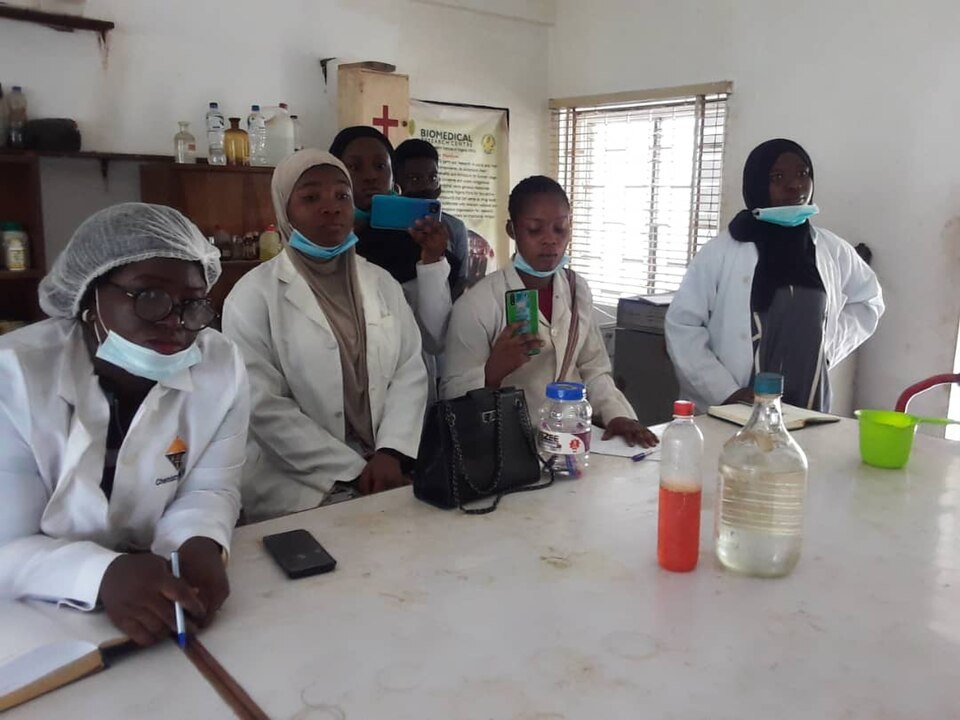
A 28‑year‑old laboratory employee at the Irkutsk Anti‑Plague Institute in Siberia died on Friday after falling ill with a disease that officials suspect may be pneumonic plague, the most contagious form of the infection. The case prompted the European Commission to announce that it is “very closely” monitoring the incident, with spokesperson Eva Hrncirova saying the EU is in contact with experts from the European Centre for Disease Prevention and Control. Russian health watchdog Rospotrebnadzor has only confirmed that the death resulted from “pneumonia of unknown etiology,” while regional authorities have placed more than 200 contacts under observation and have not identified any plague‑related microorganisms in samples taken from the deceased. Governors of Irkutsk and neighboring Buryatia have reported that all identified contacts have been examined and placed under medical supervision, and no other institute staff have sought medical care in recent days.
The potential outbreak has drawn attention from multiple international bodies because pneumonic plague can spread person‑to‑person via respiratory droplets and is fatal without prompt antibiotic treatment. The World Health Organization, invoking International Health Regulations, is working with Russian authorities to verify laboratory results, contact‑tracing procedures, and any broader public‑health implications, noting that, based on unofficial information, the risk to the general population appears low. The United States has also been monitoring the situation, urging Russian officials to share accurate information quickly, while U.S. Secretary of State Marco Rubio described the incident as a matter for focused observation rather than alarm. Experts highlighted that plague, caused by Yersinia pestis, has not been present in Europe for over half a century, though it remains endemic in parts of the Americas, Africa and Asia; pneumonic plague’s short incubation period and rapid progression make early diagnosis and antibiotic treatment crucial.
The incident underscores the importance of transparent reporting and rapid response mechanisms in managing zoonotic threats. EU officials emphasized the need for timely access to reliable epidemiological and laboratory data, while also noting that European nations maintain antibiotic stockpiles and reserves, though exact quantities were not disclosed. Simon Clarke, an associate professor at the University of Reading, warned that without clear information it is difficult to determine whether the case represents an isolated occupational exposure or signals wider transmission, but affirmed that appropriate surveillance and control measures can contain any outbreak. As investigations continue, health authorities across Europe and beyond remain vigilant, prepared to adjust risk assessments and response strategies should further details emerge.
⚡ Effects Interpreter
🌍World Economymedium impact
What this means for you
- ▶Markets typically read political news for clues about what comes next.
- ▶Investors watch politics closely for the signals it sends.
🏙️Local Economylow impact
What this means for you
- ▶Jobs and trade close to home may feel a soft knock-on effect.
- ▶Your weekly shop may get a touch dearer, or cheaper, further down the road.
🏦Rates & Banksmedium impact
What this means for you
- ▶Currency swings triggered by politics can filter into borrowing costs down the road.
- ▶Government bond yields often move first when politics takes a turn.
❤️Healthmedium impact
What this means for you
- ▶Taking a break from the headlines can do more good than scrolling on.
- ▶Sleep and appetite can be the first quiet casualties of unsettling news.
💷Wealthmedium impact
What this means for you
- ▶A brief dip in value is not the same as a permanent loss.
- ▶Financial plans built on solid ground rarely need urgent revisiting here.
🏠Housingmedium impact
What this means for you
- ▶A cooling or warming market usually takes months to fully show up in prices.
- ▶A slow-moving market like housing rarely reacts overnight.
🌍 Effects for your country
The U.S.'s central bank rate currently stands at 3.75%, so a global rates move like this could feed through to local borrowing costs. The U.S.'s economy is growing at 2.3% with inflation at 3.2%, the backdrop this story's effects play out against locally. Housing-market effects like this are usually felt most where mortgage rates track the U.S.'s own central bank rate closely. With the U.S.'s unemployment at 4.4%, personal-finance effects like this land on a labour market that is currently fairly stable. Health-system effects are harder to localise from economic indicators alone — the real impact in the U.S. depends more on local healthcare capacity than the figures above.
The UK's central bank rate currently stands at 3.75%, so a global rates move like this could feed through to local borrowing costs. The UK's economy is growing at 0.8% with inflation at 3.2%, the backdrop this story's effects play out against locally. Housing-market effects like this are usually felt most where mortgage rates track the UK's own central bank rate closely. With the UK's unemployment at 5.6%, personal-finance effects like this land on a labour market that is currently fairly stable. Health-system effects are harder to localise from economic indicators alone — the real impact in the UK depends more on local healthcare capacity than the figures above.
France's central bank rate currently stands at 2%, so a global rates move like this could feed through to local borrowing costs. France's economy is growing at 0.9% with inflation at 1.8%, the backdrop this story's effects play out against locally. Housing-market effects like this are usually felt most where mortgage rates track France's own central bank rate closely. With France's unemployment at 7.9%, personal-finance effects like this land on a labour market that is already under strain. Health-system effects are harder to localise from economic indicators alone — the real impact in France depends more on local healthcare capacity than the figures above.
Romania's central bank rate currently stands at 6.5%, so a global rates move like this could feed through to local borrowing costs. Romania's economy is growing at 0.7% with inflation at 7.8%, the backdrop this story's effects play out against locally. Housing-market effects like this are usually felt most where mortgage rates track Romania's own central bank rate closely. With Romania's unemployment at 6%, personal-finance effects like this land on a labour market that is currently fairly stable. Health-system effects are harder to localise from economic indicators alone — the real impact in Romania depends more on local healthcare capacity than the figures above.
The UAE's central bank rate currently stands at 3.65%, so a global rates move like this could feed through to local borrowing costs. The UAE's economy is growing at 3.1% with inflation at 2.5%, the backdrop this story's effects play out against locally. Housing-market effects like this are usually felt most where mortgage rates track the UAE's own central bank rate closely. Health-system effects are harder to localise from economic indicators alone — the real impact in the UAE depends more on local healthcare capacity than the figures above.