Tech Stocks Rally on Strong Earnings and AI Optimism
Source: Reuters ↗ (cross-verified by 3 outlets — full list below)
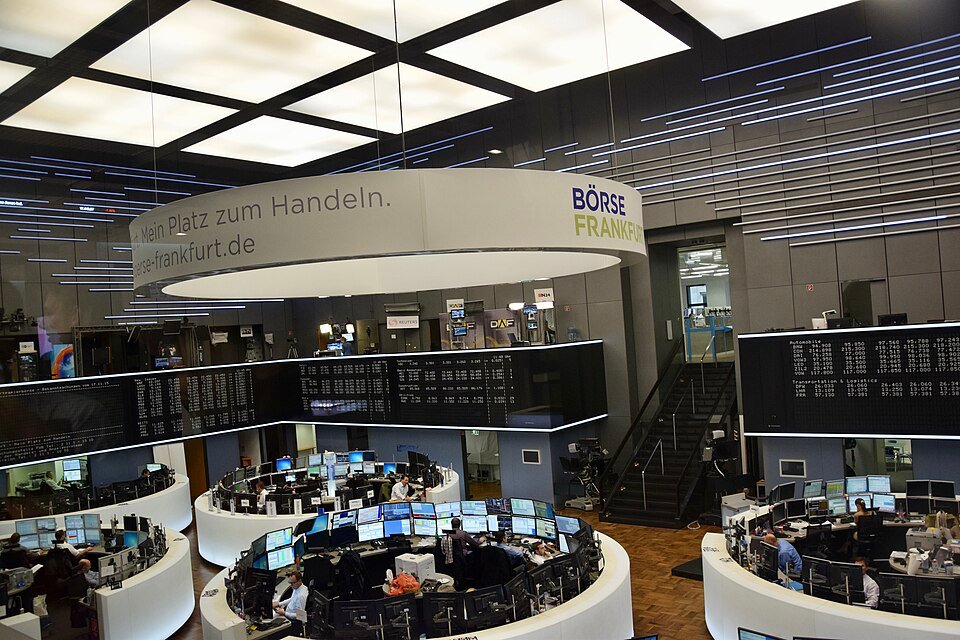
Technology shares surged after robust earnings reinforced optimism about AI-driven growth.
A wave of strong quarterly earnings from major technology firms lifted stock indices, with investors betting that AI investment will sustain profit growth.
Some analysts caution that lofty valuations leave the sector vulnerable to disappointment if growth slows.
⚡ Effects Interpreter
🌍World Economy
What this means for you
- ▶Tech-sector strength drives global stock indices and investor sentiment.
- ▶Concentrated gains in a few firms shape worldwide market performance.
🏙️Local Economy
What this means for you
- ▶Positive markets can boost confidence among local investors and businesses.
- ▶Tech-linked employment and spending support local economies.
🏦Rates & Banks
What this means for you
- ▶Buoyant markets are sensitive to expectations for interest rates.
- ▶Higher-for-longer rates could pressure richly valued tech shares.
❤️Health
What this means for you
- ▶Rising portfolios can ease financial worry for investors.
- ▶Market volatility can, conversely, add stress for the heavily exposed.
💷Wealth
What this means for you
- ▶Most pensions and index funds are heavily weighted toward large tech firms.
- ▶Concentration risk means a tech correction would hit ordinary portfolios hard.
🏠Housing
What this means for you
- ▶Wealth gains from rising markets can feed into housing demand.
- ▶Stock moves have no direct effect on mortgage rates.
🌍 Effects for your country
The U.S.'s central bank rate currently stands at 3.75%, so a global rates move like this could feed through to local borrowing costs. The U.S.'s economy is growing at 2.3% with inflation at 3.2%, the backdrop this story's effects play out against locally. Housing-market effects like this are usually felt most where mortgage rates track the U.S.'s own central bank rate closely. With the U.S.'s unemployment at 4.4%, personal-finance effects like this land on a labour market that is currently fairly stable. Health-system effects are harder to localise from economic indicators alone — the real impact in the U.S. depends more on local healthcare capacity than the figures above.
The UK's central bank rate currently stands at 3.75%, so a global rates move like this could feed through to local borrowing costs. The UK's economy is growing at 0.8% with inflation at 3.2%, the backdrop this story's effects play out against locally. Housing-market effects like this are usually felt most where mortgage rates track the UK's own central bank rate closely. With the UK's unemployment at 5.6%, personal-finance effects like this land on a labour market that is currently fairly stable. Health-system effects are harder to localise from economic indicators alone — the real impact in the UK depends more on local healthcare capacity than the figures above.
France's central bank rate currently stands at 2%, so a global rates move like this could feed through to local borrowing costs. France's economy is growing at 0.9% with inflation at 1.8%, the backdrop this story's effects play out against locally. Housing-market effects like this are usually felt most where mortgage rates track France's own central bank rate closely. With France's unemployment at 7.9%, personal-finance effects like this land on a labour market that is already under strain. Health-system effects are harder to localise from economic indicators alone — the real impact in France depends more on local healthcare capacity than the figures above.
Romania's central bank rate currently stands at 6.5%, so a global rates move like this could feed through to local borrowing costs. Romania's economy is growing at 0.7% with inflation at 7.8%, the backdrop this story's effects play out against locally. Housing-market effects like this are usually felt most where mortgage rates track Romania's own central bank rate closely. With Romania's unemployment at 6%, personal-finance effects like this land on a labour market that is currently fairly stable. Health-system effects are harder to localise from economic indicators alone — the real impact in Romania depends more on local healthcare capacity than the figures above.
The UAE's central bank rate currently stands at 3.65%, so a global rates move like this could feed through to local borrowing costs. The UAE's economy is growing at 3.1% with inflation at 2.5%, the backdrop this story's effects play out against locally. Housing-market effects like this are usually felt most where mortgage rates track the UAE's own central bank rate closely. Health-system effects are harder to localise from economic indicators alone — the real impact in the UAE depends more on local healthcare capacity than the figures above.