The G7 will release 100 million reserve barrels of diesel fuel over the next 4 months
Source: NPR World ↗ (cross-verified by 2 outlets — full list below)
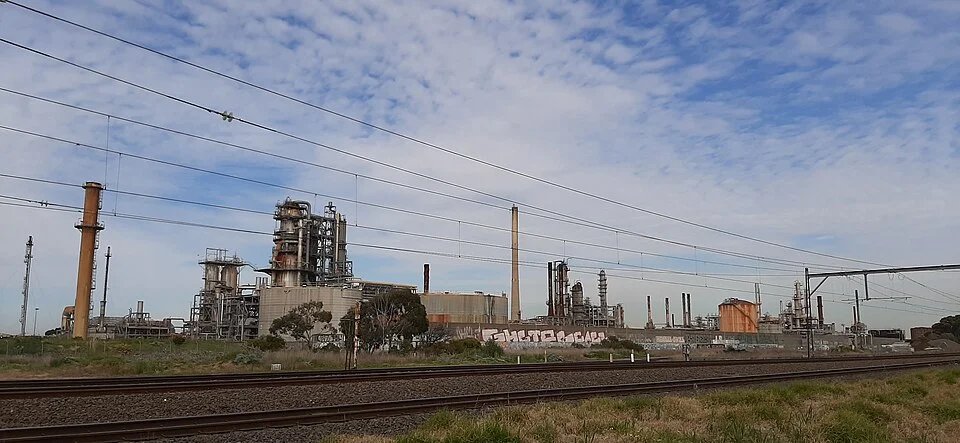
The Group of Seven (G7) – comprising the United States, United Kingdom, Canada, Japan, Germany, Italy, France and the European Union – announced a coordinated release of up to 100 million barrels of diesel and crude oil from strategic reserves, to be carried out through the International Energy Agency (IEA) over the next four months. The plan calls for an immediate “substantial release” of diesel within the first 20 days, followed by additional releases as needed, and is intended to avert further price spikes and to prevent a threatened ban on U.S. diesel exports. President Donald Trump, who had warned of an export ban unless European nations tapped their own stocks, praised Europe’s decision on social media, emphasizing that both sides would now work to keep diesel flowing without restrictions.
The release is a direct response to soaring diesel prices that have strained the haulage and agricultural sectors, feeding through to higher food costs and prompting political pressure ahead of the U.S. mid‑term elections. Trump’s Treasury Secretary Scott Bessent argued that U.S. farmers, truckers and businesses should not bear the burden of rising fuel costs, while French President Emmanuel Macron highlighted that the coordinated action would “bring down the prices of petroleum products, particularly diesel.” The move also seeks to stabilize supply chains by coordinating refinery maintenance schedules and encouraging increased diesel refining capacity among member nations, a crucial step given the market’s tightness from Middle‑East conflicts, Russian export bans and reduced Chinese output.
Analysts note that the 100 million‑barrel release could temper the recent dip of Brent crude below $100 a barrel, though prices rebounded to around $102 by Friday, driven in part by renewed Saudi‑Houthi tensions in Yemen. The decision averts a U.S. export ban that would have hit import‑dependent countries such as the United Kingdom, where diesel prices at the pump topped £2 per litre and 31 percent of imports come from the United States. With U.S. refineries producing roughly four to five million barrels of diesel daily and exporting about 1.2‑1.5 million barrels, the coordinated release aims to preserve global supply, relieve price pressures, and demonstrate G7 solidarity amid geopolitical disruptions to energy markets.
⚡ Effects Interpreter
🌍World Economylow impact
What this means for you
- ▶Global supply chains might feel a slight tremor as businesses adjust.
- ▶A story like this rarely stays local for long in a connected economy.
🏙️Local Economylow impact
What this means for you
- ▶Your local economy has a way of catching these currents eventually.
- ▶Local suppliers who import goods could pass on any change in costs.
🏦Rates & Banksmedium impact
What this means for you
- ▶Rate-setters usually take their time digesting this kind of news.
- ▶Base rate decisions are usually made on data trends, not single headlines.
❤️Healthmedium impact
What this means for you
- ▶Looking after mental health is worth it when headlines feel heavy.
- ▶Checking in on vulnerable neighbours matters when news feels heavy.
💷Wealthmedium impact
What this means for you
- ▶Long-term savers usually ride out these small bumps just fine.
- ▶Any hit to your money is more likely a ripple than a wave.
🏠Housingmedium impact
What this means for you
- ▶The property ladder rarely wobbles much from a single piece of news.
- ▶A slow-moving market like housing rarely reacts overnight.
🌍 Effects for your country
The U.S.'s central bank rate currently stands at 3.75%, so a global rates move like this could feed through to local borrowing costs. The U.S.'s economy is growing at 2.3% with inflation at 3.2%, the backdrop this story's effects play out against locally. Housing-market effects like this are usually felt most where mortgage rates track the U.S.'s own central bank rate closely. With the U.S.'s unemployment at 4.4%, personal-finance effects like this land on a labour market that is currently fairly stable. Health-system effects are harder to localise from economic indicators alone — the real impact in the U.S. depends more on local healthcare capacity than the figures above.
The UK's central bank rate currently stands at 3.75%, so a global rates move like this could feed through to local borrowing costs. The UK's economy is growing at 0.8% with inflation at 3.2%, the backdrop this story's effects play out against locally. Housing-market effects like this are usually felt most where mortgage rates track the UK's own central bank rate closely. With the UK's unemployment at 5.6%, personal-finance effects like this land on a labour market that is currently fairly stable. Health-system effects are harder to localise from economic indicators alone — the real impact in the UK depends more on local healthcare capacity than the figures above.
France's central bank rate currently stands at 2%, so a global rates move like this could feed through to local borrowing costs. France's economy is growing at 0.9% with inflation at 1.8%, the backdrop this story's effects play out against locally. Housing-market effects like this are usually felt most where mortgage rates track France's own central bank rate closely. With France's unemployment at 7.9%, personal-finance effects like this land on a labour market that is already under strain. Health-system effects are harder to localise from economic indicators alone — the real impact in France depends more on local healthcare capacity than the figures above.
Romania's central bank rate currently stands at 6.5%, so a global rates move like this could feed through to local borrowing costs. Romania's economy is growing at 0.7% with inflation at 7.8%, the backdrop this story's effects play out against locally. Housing-market effects like this are usually felt most where mortgage rates track Romania's own central bank rate closely. With Romania's unemployment at 6%, personal-finance effects like this land on a labour market that is currently fairly stable. Health-system effects are harder to localise from economic indicators alone — the real impact in Romania depends more on local healthcare capacity than the figures above.
The UAE's central bank rate currently stands at 3.65%, so a global rates move like this could feed through to local borrowing costs. The UAE's economy is growing at 3.1% with inflation at 2.5%, the backdrop this story's effects play out against locally. Housing-market effects like this are usually felt most where mortgage rates track the UAE's own central bank rate closely. Health-system effects are harder to localise from economic indicators alone — the real impact in the UAE depends more on local healthcare capacity than the figures above.