US pressures Europe over diesel reserves as Trump threatens export ban
Source: BBC World ↗ (cross-verified by 4 outlets — full list below)
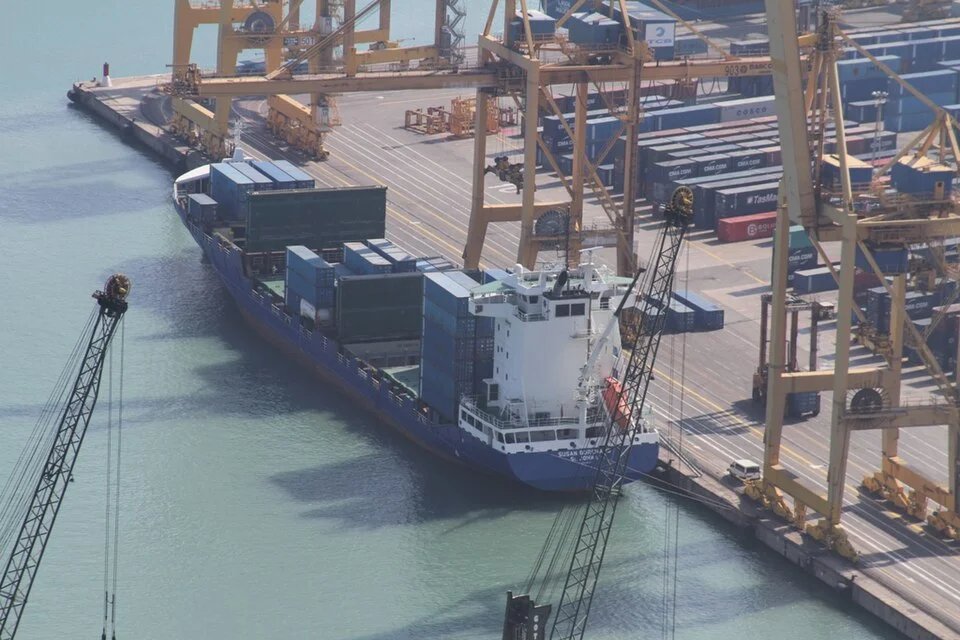
President Donald Trump has warned that the United States could ban diesel exports in an effort to lower domestic fuel prices ahead of the November midterm elections, a move that would affect the roughly 1.2‑to‑1.5 million barrels of diesel the U.S. ships abroad each day. The threat follows Treasury Secretary Scott Bessent’s call for European nations to “immediately” make their diesel reserves available, arguing that American farmers, truckers and businesses should not bear the burden of soaring prices. In response, the United Kingdom convened talks with European partners on Thursday to discuss releasing strategic diesel stocks should a U.S. ban take effect, while the European Commission confirmed it is holding “lots of calls, lots of meetings” with high‑level contacts in the Trump administration to coordinate a response.
The push for an export ban is rooted in the dramatic rise in global diesel prices triggered by the U.S.–Israel war in Iran, the closure of the Strait of Hormuz, and Russia’s own export restrictions, all of which have tightened supply and pushed the UK’s pump price to a record‑high 199.79 pence per litre, according to the RAC. Analysts such as David Fyfe of Argus Media warn that cutting off U.S. shipments would likely send international diesel prices soaring even higher, compounding the strain on economies that rely heavily on imported fuel. The United Kingdom, which lacks sufficient domestic diesel refining capacity despite having enough petrol production, remains especially vulnerable; its 15.1 million diesel‑powered vehicles, including 9.8 million diesel cars, depend largely on imports, and the government has stressed that while reserves remain, there is “no cause for concern” about imminent shortages.
The situation has prompted coordinated diplomatic activity across the Atlantic and beyond. UK Energy Minister Martin McCluskey discussed the issue with European counterparts, and a source familiar with the talks told the BBC that a unified response is being prepared, noting that earlier in the year Europe released strategic fuel stocks and still retains reserves. Meanwhile, Chinese refiners have reportedly halted October exports of certain fuel products to prioritize domestic supply, adding further pressure to the market. Trump’s campaign, which includes a nationwide tour to rally Republican voters and retain control of Congress, frames the potential ban as a domestic relief measure, while critics argue it could destabilize global diesel markets and hurt allied economies that depend on U.S. exports.
⚡ Effects Interpreter
🌍World Economymedium impact
What this means for you
- ▶Global commerce typically shrugs off small shocks, but keeps one eye open.
- ▶Global boardrooms tend to take notice when news like this surfaces.
🏙️Local Economylow impact
What this means for you
- ▶Prices at your local shops may feel a soft, indirect squeeze from this.
- ▶Corner shops and cafes rarely feel this straight away, but they do feel it.
🏦Rates & Bankslow impact
What this means for you
- ▶The cost of borrowing tends to shift gradually rather than in one leap.
- ▶A modest drift in borrowing costs is more plausible than a sharp jump.
❤️Healthlow impact
What this means for you
- ▶Neighbours and families might feel more anxious until the dust settles.
- ▶Stress levels in affected communities could tick up before they settle.
💷Wealthlow impact
What this means for you
- ▶Your overall wealth picture is unlikely to be defined by a single story like this.
- ▶Time in the market usually matters more than timing the market around this kind of news.
🏠Housinglow impact
What this means for you
- ▶Mortgage deals may edge around if lenders read the wider mood.
- ▶Home costs usually respond later, once the bigger picture settles.
🌍 Effects for your country
The U.S.'s central bank rate currently stands at 3.75%, so a global rates move like this could feed through to local borrowing costs. The U.S.'s economy is growing at 2.3% with inflation at 3.2%, the backdrop this story's effects play out against locally. Housing-market effects like this are usually felt most where mortgage rates track the U.S.'s own central bank rate closely. With the U.S.'s unemployment at 4.4%, personal-finance effects like this land on a labour market that is currently fairly stable. Health-system effects are harder to localise from economic indicators alone — the real impact in the U.S. depends more on local healthcare capacity than the figures above.
The UK's central bank rate currently stands at 3.75%, so a global rates move like this could feed through to local borrowing costs. The UK's economy is growing at 0.8% with inflation at 3.2%, the backdrop this story's effects play out against locally. Housing-market effects like this are usually felt most where mortgage rates track the UK's own central bank rate closely. With the UK's unemployment at 5.6%, personal-finance effects like this land on a labour market that is currently fairly stable. Health-system effects are harder to localise from economic indicators alone — the real impact in the UK depends more on local healthcare capacity than the figures above.
France's central bank rate currently stands at 2%, so a global rates move like this could feed through to local borrowing costs. France's economy is growing at 0.9% with inflation at 1.8%, the backdrop this story's effects play out against locally. Housing-market effects like this are usually felt most where mortgage rates track France's own central bank rate closely. With France's unemployment at 7.9%, personal-finance effects like this land on a labour market that is already under strain. Health-system effects are harder to localise from economic indicators alone — the real impact in France depends more on local healthcare capacity than the figures above.
Romania's central bank rate currently stands at 6.5%, so a global rates move like this could feed through to local borrowing costs. Romania's economy is growing at 0.7% with inflation at 7.8%, the backdrop this story's effects play out against locally. Housing-market effects like this are usually felt most where mortgage rates track Romania's own central bank rate closely. With Romania's unemployment at 6%, personal-finance effects like this land on a labour market that is currently fairly stable. Health-system effects are harder to localise from economic indicators alone — the real impact in Romania depends more on local healthcare capacity than the figures above.
The UAE's central bank rate currently stands at 3.65%, so a global rates move like this could feed through to local borrowing costs. The UAE's economy is growing at 3.1% with inflation at 2.5%, the backdrop this story's effects play out against locally. Housing-market effects like this are usually felt most where mortgage rates track the UAE's own central bank rate closely. Health-system effects are harder to localise from economic indicators alone — the real impact in the UAE depends more on local healthcare capacity than the figures above.