US stock market hits all-time high as investors continue to bet on AI
Source: Al Jazeera ↗ (cross-verified by 3 outlets — full list below)
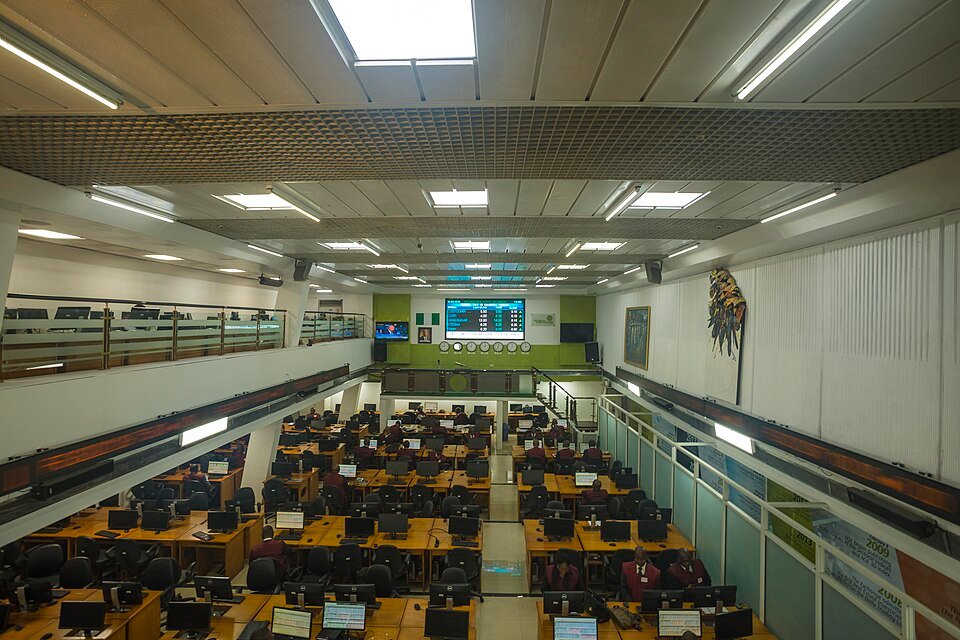
The S&P 500 closed 0.58 percent higher on Tuesday, breaking the record set in mid‑August and pushing the United States stock market to an all‑time high as investors pour money into artificial‑intelligence‑related equities. The Nasdaq Composite, which is weighted toward technology firms, also posted a fresh peak, rising 0.45 percent. Among the “Magnificent Seven” tech giants, Amazon led gains with a 1.95 percent jump, while Microsoft and Tesla added 0.78 percent and 0.51 percent respectively; Apple and Alphabet each rose 0.22 percent and Nvidia edged up 0.14 percent. Meta, despite a more than 20 percent surge since launching its AI assistant Muse last month, slipped 0.41 percent. Other notable movers included Marvell Technology (+5.81 percent) and Cisco (+4.54 percent).
The rally is being driven by a dominant “technology and AI” theme, according to Keith Lerner, chief investment officer at Truist Advisory Services, who told Al Jazeera that technology and communication services were the only S&P 500 sectors to post gains last month while the other nine fell. Despite headwinds such as elevated oil prices from the US‑Israel war on Iran, a sell‑off in U.S. government bonds amid soaring debt, and a 10‑year Treasury yield above 5 percent, investors remain bullish on AI. Lochlan Halloway of Morningstar Australia said market participants are betting that massive spending on data centres will generate strong returns, a confidence that has outweighed concerns over higher interest rates and energy costs.
Analysts see the bullish momentum potentially extending through the end of 2026, citing historical trends of midterm‑election‑year gains and strong corporate earnings expectations. Lerner cautioned that rising interest rates pose the greatest risk, but overall evidence points to further upside. While U.S. markets surged, Asian indices fell, with Japan’s Nikkei, South Korea’s Kospi and Hong Kong’s Hang Seng down 0.79 percent, 1.36 percent and 0.71 percent respectively, and Brent crude rose to $101.45 a barrel as conflict in the Middle East escalated.
⚡ Effects Interpreter
🌍World Economylow impact
What this means for you
- ▶Overseas suppliers could gradually rethink their pricing after news like this.
- ▶World markets have a habit of reading between the lines of stories like this.
🏙️Local Economylow impact
What this means for you
- ▶Modest businesses nearby might tweak their prices in the weeks ahead.
- ▶Household budgets may notice a slight ripple in due course.
🏦Rates & Bankslow impact
What this means for you
- ▶Borrowing costs may hold steady for now, but they can turn on fresh news.
- ▶Base rate decisions are usually made on data trends, not single headlines.
❤️Healthlow impact
What this means for you
- ▶Checking in on vulnerable neighbours matters when news feels heavy.
- ▶Neighbours and families might feel more anxious until the dust settles.
💷Wealthlow impact
What this means for you
- ▶Your household's overall financial health matters more than any one day's numbers.
- ▶Your pension or investments might sway a touch as markets digest this.
🏠Housinglow impact
What this means for you
- ▶First-time buyers might keep half an eye on mortgage rates after this.
- ▶Renters could see costs drift a touch as landlords weigh their own bills.
🌍 Effects for your country
The U.S.'s central bank rate currently stands at 3.75%, so a global rates move like this could feed through to local borrowing costs. The U.S.'s economy is growing at 2.3% with inflation at 3.2%, the backdrop this story's effects play out against locally. Housing-market effects like this are usually felt most where mortgage rates track the U.S.'s own central bank rate closely. With the U.S.'s unemployment at 4.4%, personal-finance effects like this land on a labour market that is currently fairly stable. Health-system effects are harder to localise from economic indicators alone — the real impact in the U.S. depends more on local healthcare capacity than the figures above.
The UK's central bank rate currently stands at 3.75%, so a global rates move like this could feed through to local borrowing costs. The UK's economy is growing at 0.8% with inflation at 3.2%, the backdrop this story's effects play out against locally. Housing-market effects like this are usually felt most where mortgage rates track the UK's own central bank rate closely. With the UK's unemployment at 5.6%, personal-finance effects like this land on a labour market that is currently fairly stable. Health-system effects are harder to localise from economic indicators alone — the real impact in the UK depends more on local healthcare capacity than the figures above.
France's central bank rate currently stands at 2%, so a global rates move like this could feed through to local borrowing costs. France's economy is growing at 0.9% with inflation at 1.8%, the backdrop this story's effects play out against locally. Housing-market effects like this are usually felt most where mortgage rates track France's own central bank rate closely. With France's unemployment at 7.9%, personal-finance effects like this land on a labour market that is already under strain. Health-system effects are harder to localise from economic indicators alone — the real impact in France depends more on local healthcare capacity than the figures above.
Romania's central bank rate currently stands at 6.5%, so a global rates move like this could feed through to local borrowing costs. Romania's economy is growing at 0.7% with inflation at 7.8%, the backdrop this story's effects play out against locally. Housing-market effects like this are usually felt most where mortgage rates track Romania's own central bank rate closely. With Romania's unemployment at 6%, personal-finance effects like this land on a labour market that is currently fairly stable. Health-system effects are harder to localise from economic indicators alone — the real impact in Romania depends more on local healthcare capacity than the figures above.
The UAE's central bank rate currently stands at 3.65%, so a global rates move like this could feed through to local borrowing costs. The UAE's economy is growing at 3.1% with inflation at 2.5%, the backdrop this story's effects play out against locally. Housing-market effects like this are usually felt most where mortgage rates track the UAE's own central bank rate closely. Health-system effects are harder to localise from economic indicators alone — the real impact in the UAE depends more on local healthcare capacity than the figures above.