Watch: How Brazil's dramatic election unfolded
Source: BBC World ↗ (cross-verified by 2 outlets — full list below)
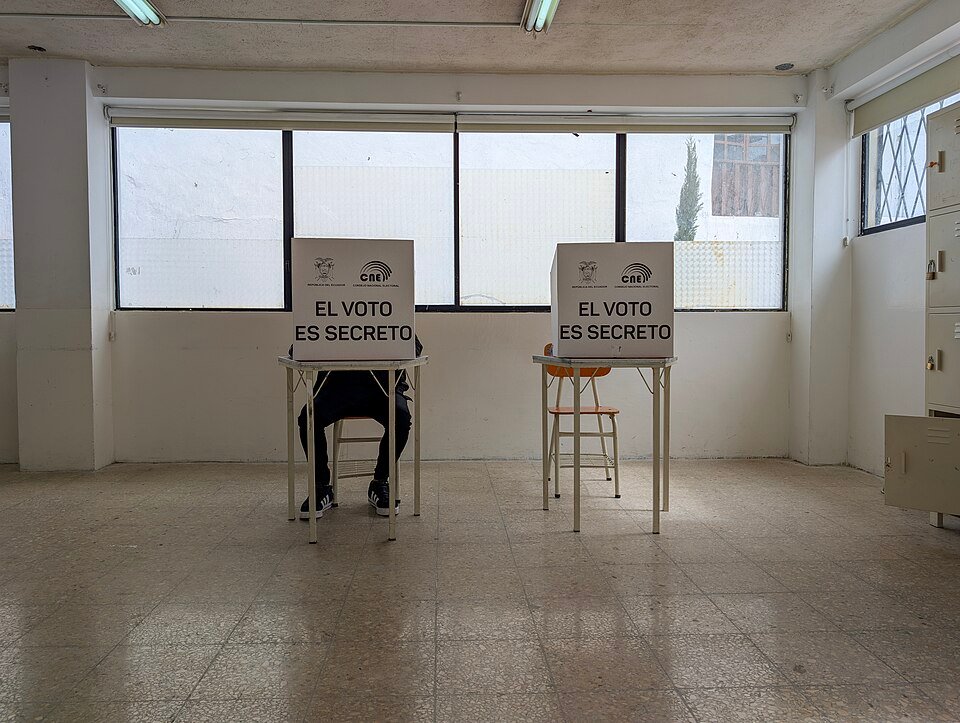
Millions of Brazilians cast their votes on Sunday in the first round of the nation’s presidential election, a contest that pitted incumbent President Luiz Inácio Lula da Silva, 80, against right‑wing challenger Flávio Bolsonaro, 45. Lula, seeking a fourth non‑consecutive term, faced the son of former President Jair Bolsonaro, who led the country from 2019 to 2022. The ballot concluded without a clear winner, sending the race to a runoff scheduled for 25 October.
The runoff result reflects a deeply polarized electorate, with Lula representing the left‑leaning Workers’ Party and Flávio Bolsonaro embodying the continuation of his father’s hard‑right agenda. The younger Bolsonaro’s first presidential bid underscores the Bolsonaro family’s ongoing influence in Brazilian politics, while Lula’s bid for another term highlights his enduring popularity despite his advanced age. Analysts note that the split vote signals both a desire for continuity with Lula’s previous administrations and a strong undercurrent of support for the Bolsonaro legacy.
The upcoming second round will determine whether Brazil returns to Lula’s progressive policies or shifts further toward the Bolsonaro brand of conservatism. Voter turnout and regional voting patterns observed in the first round will likely shape campaign strategies, as both camps mobilize supporters ahead of the 25 October showdown. The outcome will have significant implications for Brazil’s domestic agenda, foreign relations, and the broader trajectory of Latin American politics.
⚡ Effects Interpreter
🌍World Economylow impact
What this means for you
- ▶Trade and investment between countries could shift a touch if things escalate.
- ▶Currency traders elsewhere could start pricing in the fallout within hours.
🏙️Local Economylow impact
What this means for you
- ▶The cost of a weekly food shop can creep up in the background.
- ▶Your weekly shop may get a touch dearer, or cheaper, further down the road.
🏦Rates & Bankslow impact
What this means for you
- ▶Banks generally prefer a wait-and-see approach before touching their rates.
- ▶Interest rates and mortgage bills are unlikely to jump straight away from this alone.
❤️Healthmedium impact
What this means for you
- ▶A story like this can linger in the back of people's minds for a while.
- ▶It's easy to underestimate how much stories like this weigh on people.
💷Wealthlow impact
What this means for you
- ▶Savers with a clear plan tend to feel less rattled by news like this.
- ▶Your pension or investments might sway a touch as markets digest this.
🏠Housinglow impact
What this means for you
- ▶Surveyors and valuers tend to factor in wider trends gradually, not overnight.
- ▶Bricks and mortar tend to hold steady while other markets swing about.
🌍 Effects for your country
The U.S.'s central bank rate currently stands at 3.75%, so a global rates move like this could feed through to local borrowing costs. The U.S.'s economy is growing at 2.3% with inflation at 3.2%, the backdrop this story's effects play out against locally. Housing-market effects like this are usually felt most where mortgage rates track the U.S.'s own central bank rate closely. With the U.S.'s unemployment at 4.4%, personal-finance effects like this land on a labour market that is currently fairly stable. Health-system effects are harder to localise from economic indicators alone — the real impact in the U.S. depends more on local healthcare capacity than the figures above.
The UK's central bank rate currently stands at 3.75%, so a global rates move like this could feed through to local borrowing costs. The UK's economy is growing at 0.8% with inflation at 3.2%, the backdrop this story's effects play out against locally. Housing-market effects like this are usually felt most where mortgage rates track the UK's own central bank rate closely. With the UK's unemployment at 5.6%, personal-finance effects like this land on a labour market that is currently fairly stable. Health-system effects are harder to localise from economic indicators alone — the real impact in the UK depends more on local healthcare capacity than the figures above.
France's central bank rate currently stands at 2%, so a global rates move like this could feed through to local borrowing costs. France's economy is growing at 0.9% with inflation at 1.8%, the backdrop this story's effects play out against locally. Housing-market effects like this are usually felt most where mortgage rates track France's own central bank rate closely. With France's unemployment at 7.9%, personal-finance effects like this land on a labour market that is already under strain. Health-system effects are harder to localise from economic indicators alone — the real impact in France depends more on local healthcare capacity than the figures above.
Romania's central bank rate currently stands at 6.5%, so a global rates move like this could feed through to local borrowing costs. Romania's economy is growing at 0.7% with inflation at 7.8%, the backdrop this story's effects play out against locally. Housing-market effects like this are usually felt most where mortgage rates track Romania's own central bank rate closely. With Romania's unemployment at 6%, personal-finance effects like this land on a labour market that is currently fairly stable. Health-system effects are harder to localise from economic indicators alone — the real impact in Romania depends more on local healthcare capacity than the figures above.
The UAE's central bank rate currently stands at 3.65%, so a global rates move like this could feed through to local borrowing costs. The UAE's economy is growing at 3.1% with inflation at 2.5%, the backdrop this story's effects play out against locally. Housing-market effects like this are usually felt most where mortgage rates track the UAE's own central bank rate closely. Health-system effects are harder to localise from economic indicators alone — the real impact in the UAE depends more on local healthcare capacity than the figures above.