A slow travel success story in Slovenia’s secret valley
A small group of local entrepreneurs is quietly reshaping Slovenia’s overlooked Vipava valley into a destination that prioritises community and authenticity, beginning with the conversion of an abandoned farmstead in the village of Planina into the boutique guesthouse Wellba. Run by native couple Marko and Tereza Kobal, the hotel blends traditional “black kitchen” interiors with self‑catering apartments, using salvaged materials and local craftsmanship to preserve the building’s historic soul while aiming for a lifespan of three centuries. Their approach reflects a broader trend in the valley: modest, family‑run ventures such as Čilčevi Farmstead, which sprang up during the pandemic, and the Smerajc family’s holiday cottages and courtyard restaurant, all seeking to offer visitors an unembellished, genuine experience of the region’s wind‑sculpted landscape and dry‑wine terroir.
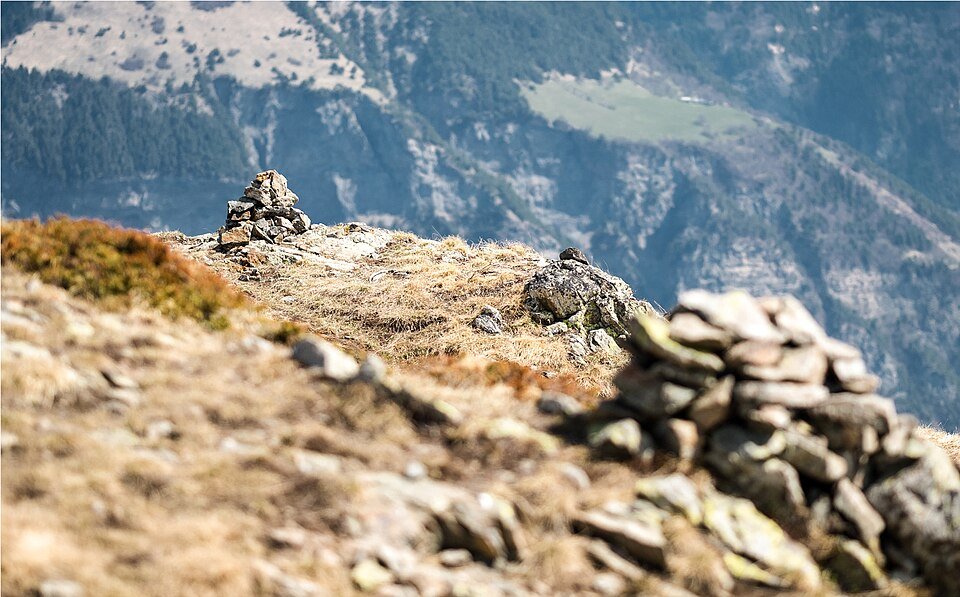
The valley’s slow tourism development stems largely from a historic scarcity of accommodation and a population that once dwindled to just two permanent residents in the 1970s, as people abandoned the steep, tractor‑incompatible hills for urban life. Today, the resident count has risen to about twenty, with second‑home owners roughly doubling that figure during holidays, creating a modest but growing market for visitor services. The Kobals, along with other locals, are deliberately expanding capacity—planning a second farm‑building conversion for 2027 and a boutique hotel in Vipava town—while keeping scale low to maintain the valley’s character. Their efforts are complemented by innovative, low‑impact offerings such as GPS‑guided cycling routes on narrow roads and experimental “wine trains” that shuttle guests from nearby Nova Gorica, all designed to showcase the region’s unique climate, shaped by the fierce burja wind, which yields arid soils ideal for dry wines and cured meats.
These grassroots initiatives signal a shift from the valley’s traditional focus on agriculture toward a balanced model where tourism supports, rather than overwhelms, local life. By retaining ownership of the development process, families like the Kobals, Tom Ločniškar and Borut Kokalj, and the Smerajcs are ensuring that new visitor experiences complement the existing cultural and natural landscape. As the valley slowly gains recognition beyond its usual footnote in Slovenian wine guides, the emerging network of modest accommodations and curated activities promises to attract travelers seeking authenticity, while providing sustainable economic opportunities for the valley’s revitalising communities.
⚡ Effects Interpreter
🌍World Economy
- ▶Trade and investment between countries could shift a little if things escalate.
- ▶Global supply chains might feel a small tremor as businesses adjust.
🏙️Local Economy
- ▶Local tourism businesses feel these shifts quickly.
- ▶Holiday budgets could need a little wiggle room after a story like this.
🏦Rates & Banks
- ▶Interest rates and mortgage bills are unlikely to jump straight away from this alone.
- ▶Central banks watch moments like this closely, so keep an eye on savings rates.
❤️Health
- ▶Pack sensibly — small precautions make for smoother travel.
- ▶Checking guidance early avoids surprises on arrival.
💷Wealth
- ▶Any hit to your money is more likely a ripple than a wave.
- ▶Investors often reshuffle their holdings when stories like this break.
🏠Housing
- ▶Mortgage deals could edge around if lenders read the wider mood.
- ▶Buyers and renters could notice only a gentle drift, if anything at all.