Alone with the stars, lynx and wolves in ‘Empty Spain’
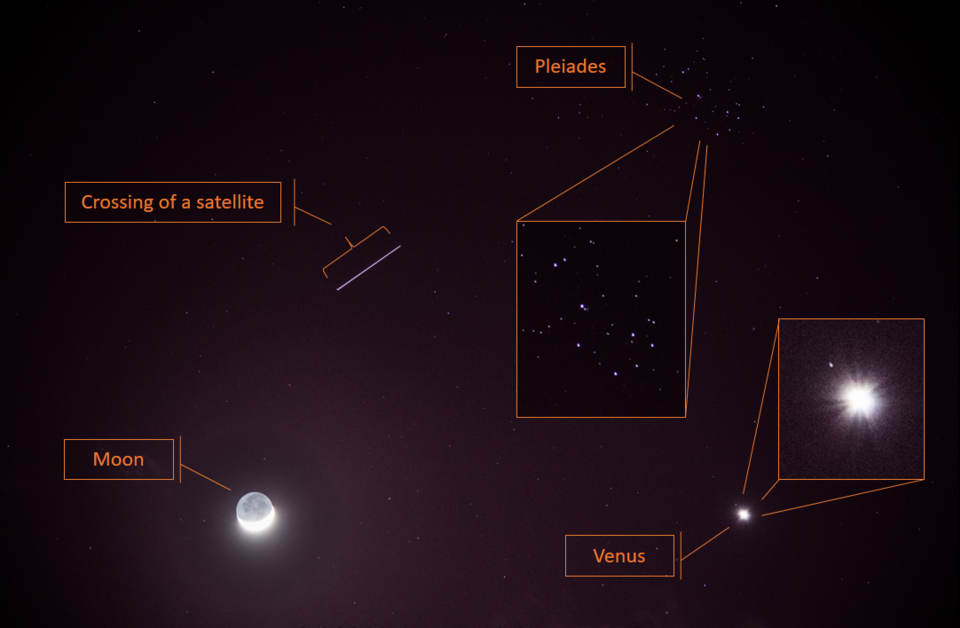
A world away from the tourist hotspots of the coast, Extremadura and Castile and León offer unpolluted skies, lower prices – and hope for the future of vulnerable wildlife A s photographed at night from a satellite, or the International Space Station (ISS), the Iberian peninsula looks encrusted with lights along its coastal edges. Madrid forms a big pulsing cluster near the centre, while surrounding hinterlands appear as something of a void. Ever fewer people live out in Castile and León and Extremadura, adjoining regions that cover much of what is known as La España Vac ía , or “Empty Spain”. Not many visit either, or at least not compared with Barcelona and other glowing nodes of the tourist circuit. So, while the big ports and resorts struggle to manage surplus holidaymakers, there is room for plenty more out west, toward the Portuguese border. Some have been following the stars that way lately, under the auspices of an astrotourism initiative called Extremadura Buenas Noches . View image in fullscreen A route map plotted point-to-point between optimal stargazing sites leads to distant outposts like La Siberia (so-called because it felt that remote to workers who laid down the first roads and railways in these parts) and the Corral de los Lobos, an ancient stone enclosure on a hilltop, built to trap wolves when they outnumbered the farmers and shepherds around here. Corral de los Lobos also lies in one of the rainier reaches of the Spanish interior, and the weather has mostly closed over the night sky when I go up to look. But even through breaks in the clouds, I can see the ISS pass in its elliptical orbit. Beyond that, Jupiter. And, much farther out, the Milky Way. There are no other forms of pollution either, it seems.
We look down into gigantic cauldrons of granite known as marmitas , where the River Jerte swirls like soup in a pot around eroded rock smooth as brushed steel. The lichen across the wet surface is a luminous green, “a bioindicator of clean air”. “Extremadura is, no doubt, the most natural and healthy place to live,” Garzón says. His claim extends to non-human natives, not least the birds, and he points skyward to the ghostly profiles of honey buzzards and griffon vultures floating in the vapour off the peaks above. Thanks to “sound management”, as he puts it, the Spanish imperial eagle is now seen in much healthier numbers up there. The Iberian lynx population, meanwhile, is climbing steadily from dangerous lows of a few decades ago in neighbouring Monfragüe national park, where Garzón was born and raised. And the Iberian wolf – hunted and displaced almost to extinction before recent, belated protections – has been making a comeback over the flanking Gredos mountains. That’s close enough for their howls to be heard again from the Corral de los Lobos, on those same clear nights when “the stars look so close you could touch them”, says Garzón. The return of these signature species gives him hope for our own. “To me, they represent our capacity to do things right, but we so often wait until the last minute.” Her shop is so well stocked with local delicacies that the place would make a killing if transplanted to, say, east London: figs and olives from surrounding groves, sweet and hot paprika dried over open fires, all sorts of cherry jams and liqueurs. But her town, like many in the region, has lost thousands of residents in recent years. There’s a gothic-romantic hush to the cobbled streets below Valverde de la Vera’s ruined and overgrown castle.
The quietude, the quasi-abandonment, may yet enhance the appeal to those passing through, though it can’t be good for business. “A few more customers would be nice,” says Cudero, but otherwise the town has only a couple of tapas bars, a few guesthouses, and no hotel. For my part, I make use of Spain’s state-owned parador network, which tends to offer surprisingly affordable rooms in converted convents and palaces, mostly within the medieval walls of the nearest comparatively big cities. The provincial capital, Cáceres; Trujillo, with its dreamlike hilltop fortress; and Plasencia, with its two half-cathedrals (one never fully demolished, the other forever unfinished), make good, solid bases. Fun fact: there are more pigs than people in these regions, including the black, acorn-fed pigs of the dehesa forest, whose meat becomes the world-renowned jamón ibérico . Including, too, the very chunky fellow I encounter in La Alberca, enjoying a siesta in a sty that is also a kind of shrine. Custom dictates that a single fat pig be allowed to wander and eat at its leisure for seven months of each year, until it’s raffled off for the feast of San Antón in January. In the past, that porker was invariably eaten, but some recent winners have apparently kept them as pets. “You can eat them all,” says biologist and guide Marino Esteban (La Alberca visitor centre operates hikes into the forest), on a walk through woods that look more like French or even English countryside. “But some you can only eat once.” This is his way of saying that certain types are toxic.
⚡ Effects Interpreter
🌍World Economy
- ▶Foreign direct investment decisions can hinge on how this plays out.
- ▶International capital can shift direction faster than headlines suggest.
🏙️Local Economy
- ▶Flights and hotels at the destination could cost more if demand jumps after this.
- ▶Seasonal destinations can see interest spike or cool depending on stories like this.
🏦Rates & Banks
- ▶Fixed and variable borrowers alike might want to keep half an eye on this.
- ▶A modest drift in borrowing costs is more plausible than a sharp jump.
❤️Health
- ▶Comprehensive travel insurance covers more peace of mind than people expect.
- ▶Knowing the local health picture brings peace of mind.
💷Wealth
- ▶Markets have a habit of overreacting first and settling down down the road.
- ▶Time in the market usually matters more than timing the market around news like this.
🏠Housing
- ▶Local surveyors often note that sentiment shifts before prices actually do.
- ▶The housing market has a habit of lagging behind the headlines.