Argentina threatens legal action against UK over Falkland Islands oil exploration
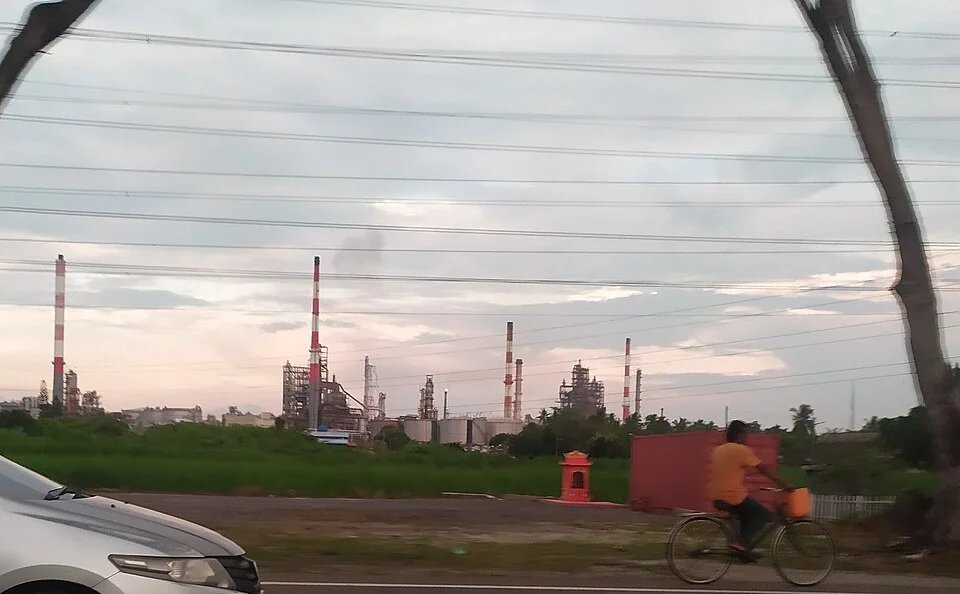
President Javier Milei announced on social media that Argentina will give the Sea Lion oilfield project—a joint venture between Britain’s Rockhopper Exploration and Israel’s Navitas Petroleum—two weeks to cease operations, threatening to launch international arbitration if the deadline passes. Milei said he has instructed the foreign ministry and legal teams to bring the case before the International Tribunal for the Law of the Sea, accusing the United Kingdom of “illegal plundering” of Argentine resources. The Sea Lion field, located about 130 miles (209 km) from the Falkland Islands, is estimated to contain 1.7 billion barrels of oil, and the two companies maintain that they hold valid licences issued by the Falkland Islands government.
Milei’s ultimatum intensifies a long‑standing dispute over the sovereignty of the islands, which Argentina calls Las Malvinas. The claim follows his recent criticism of the United Nations at the General Assembly, where he denounced the body as ineffective on the Falklands issue. The UK’s defence secretary, Wes Streeting, responded by stating that Argentina lacks the capability to retake the islands by force. The background to the controversy includes a 2013 referendum in which island residents voted 99.8 percent in favour of remaining a British overseas territory, and the 1982 war that resulted in 255 British, three islander and 649 Argentine deaths.
Both Rockhopper and Navitas have reiterated that their licences are legitimate under Falkland Islands law, and they are slated to begin extraction within two years. Argentina’s threat to pursue legal action at the International Tribunal—an independent body in Hamburg that enforces the UN Convention on the Law of the Sea—adds a diplomatic dimension to the resource dispute, potentially drawing other nations into the debate over maritime rights and the contested status of the islands.
⚡ Effects Interpreter
🌍World Economy
- ▶Economies far from the headline can still catch the aftershocks.
- ▶Global supply chains might feel a small tremor as businesses adjust.
🏙️Local Economy
- ▶High street footfall and spending can shift subtly after a story like this.
- ▶Everyday spending habits nearby might shift once the news sinks in.
🏦Rates & Banks
- ▶Financial markets sometimes overreact to rate speculation before banks even respond.
- ▶A modest drift in borrowing costs is more plausible than a sharp jump.
❤️Health
- ▶Taking a break from the headlines can do more good than scrolling on.
- ▶Checking in on vulnerable neighbours matters when news feels heavy.
💷Wealth
- ▶A brief dip in value is not the same as a permanent loss.
- ▶Financial plans built on solid ground rarely need urgent revisiting here.
🏠Housing
- ▶Bricks and mortar tend to hold steady while other markets swing about.
- ▶Housing supply and demand rarely turn on a single piece of news.