Assisted dying, palliative care and patient choice | Letters
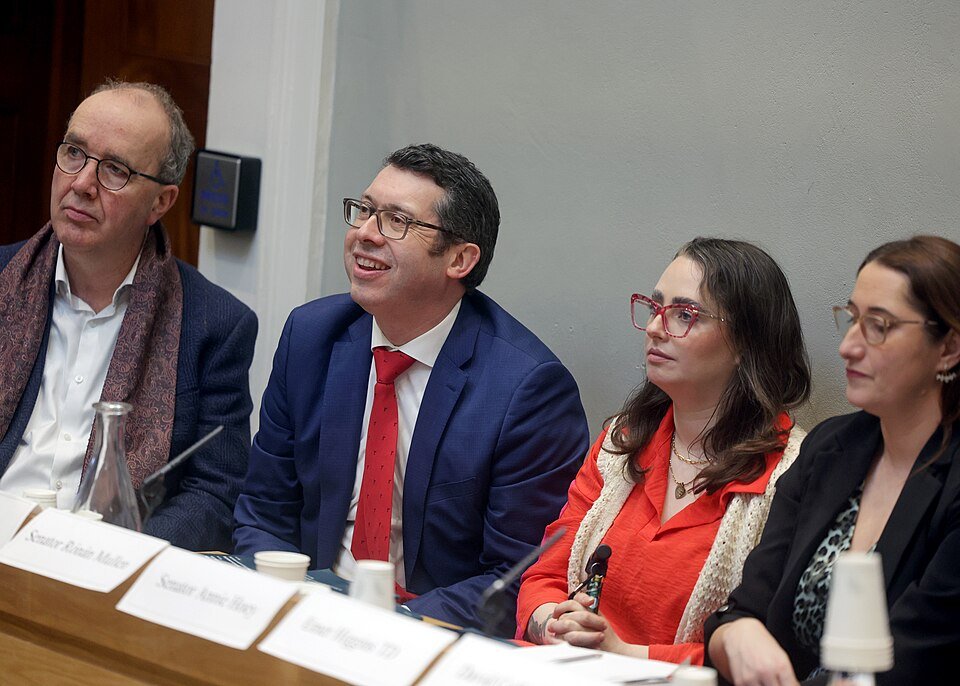
A group of readers wrote to the newspaper in response to Dr Zubir Ahmed’s argument that the United Kingdom should improve palliative‑care services before legalising assisted dying. The letters present a range of professional and personal perspectives that challenge the notion of postponing patient choice. A renal physician stresses that competent adults with capacity already have the right to decide about their treatment, and that many dialysis patients elect to stop life‑sustaining therapy when the burden becomes intolerable. He argues that safeguards can be built into any assisted‑dying legislation, but denying the option until an undefined “acceptable” standard of palliative care is reached would strip patients of control over their own destiny. A second contributor, a former nurse and current unpaid carer for an elderly mother with dementia, echoes the need for genuine alternatives, pointing out that inadequate social‑care provision forces families into unsustainable caregiving roles and creates a fear of becoming a burden—conditions that could drive vulnerable people toward assisted death.
The letters also highlight systemic shortcomings that undermine the quality of end‑of‑life choices. One writer notes that specialist palliative care in the UK is uneven, with many clinicians unaware of the latest symptom‑relief options, leaving patients without a real alternative when assisted dying is presented. Another points out that the proposed assisted‑dying bill, championed by MP Lauren Edwards, would be funded from the NHS budget, potentially diverting resources from already strained services and failing to address abuse or coercion, as it does not require coroner referrals for assisted‑death cases. Citing data that 209 assisted‑suicide cases have been referred to the Director of Public Prosecutions in the past 15 years, with eight resulting in homicide‑type prosecutions, the writer questions how such abuses would be detected under the current proposals.
Collectively, the contributors call for a broader reform of health and social‑care systems before expanding legal options at the end of life. They argue that a humane framework must guarantee professional support for those who need it, adequate financial assistance for carers, and robust oversight of any assisted‑dying process. Without these measures, they contend, vulnerable individuals may feel pressured to choose death because of inadequate care rather than genuine autonomy. The letters conclude that Parliament should first ensure reliable, affordable care throughout life before adding another choice at its final stage.
⚡ Effects Interpreter
🌍World Economy
- ▶Economies far from the headline can still catch the aftershocks.
- ▶Markets around the world may take their cue from how this story unfolds.
🏙️Local Economy
- ▶Everyday costs in your town may drift as the wider economy reacts.
- ▶Small businesses nearby might tweak their prices in the weeks ahead.
🏦Rates & Banks
- ▶Central banks watch moments like this closely, so keep an eye on savings rates.
- ▶Borrowing costs might hold steady for now, but they can turn on fresh news.
❤️Health
- ▶Anyone affected by the risks mentioned may want a word with their GP.
- ▶Local health services could steer resources towards this issue.
💷Wealth
- ▶Healthcare or insurance costs might edge up if treatments become common.
- ▶Days lost to illness can quietly dent household income.
🏠Housing
- ▶Buyers and renters may notice only a gentle drift, if anything at all.
- ▶Home costs usually respond later, once the bigger picture settles.