Burnham backtracks on spending housing fund only on building social homes
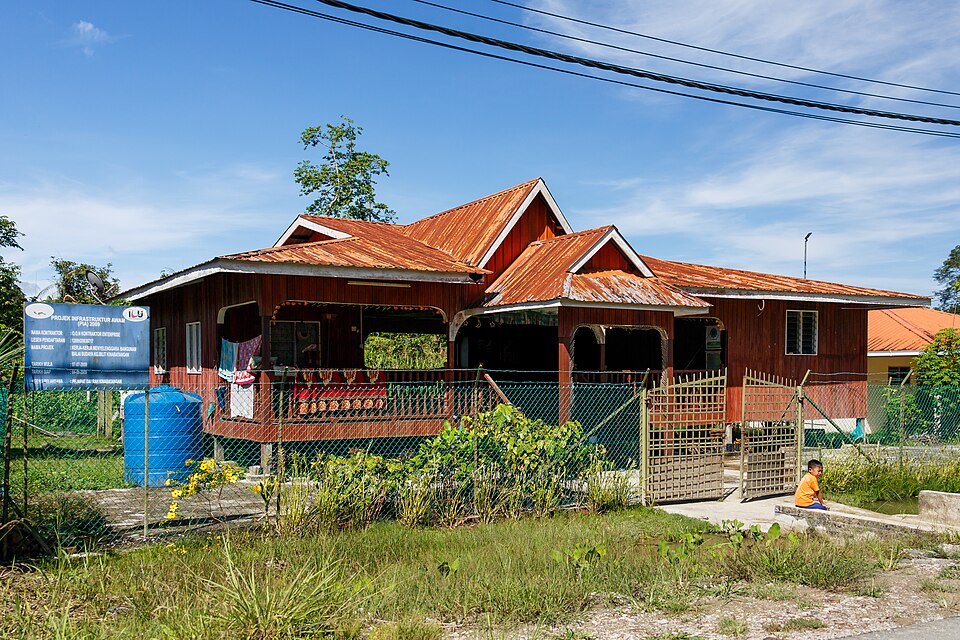
About 40% of the £10 billion earmarked for the Affordable Homes Programme will be allocated to housing types such as sheltered and shared‑ownership homes, rather than exclusively to council‑built social homes as Labour mayor Andy Burnham had previously demanded. The government announced on Monday that the initial £10 billion of the ten‑year scheme will fund the construction of 70,000 homes outside London, with roughly 60% designated as social‑rented units and the remainder split between shared‑ownership schemes and sheltered accommodation. An additional £6 billion will be set aside for London, to be distributed later, and the funding will be delivered through 33 “strategic partners,” three of which are local councils – a first for the programme. Burnham, who had urged that the entire £39 billion (the total programme amount) be devoted to council houses, now faces a plan that blends several subsidised housing models while still promising a substantial increase in council‑built homes.
The shift reflects the Starmer government’s broader housing strategy, which aims to meet its pledge of delivering 300,000 affordable homes over the next decade. By mixing social rent with other subsidised options, ministers hope to broaden the supply of affordable housing while still prioritising council homes in later funding rounds. Housing Secretary Angela Rayner highlighted the social impact of council housing, emphasizing its role in providing stability for families and communities. Shelter chief executive Sarah Elliott welcomed the inclusion of councils among the strategic partners, noting that the move restores local authorities to the forefront of the fight against homelessness, but warned that lingering obstacles—such as unsustainable council housing debt—must be addressed in the upcoming autumn budget to fully realise the programme’s ambitions.
The announcement also sets the policy against competing proposals, notably Reform UK’s plan to increase social home supply by evicting foreign tenants and expanding borrowing capacity for housing associations. While the government’s approach retains a mix of housing types, it signals a commitment to scaling up council‑built homes within a diversified affordable‑housing framework. The next phase will involve allocating the remaining £16 billion of the programme, with officials indicating that future rounds will give priority to social‑rent and council housing, potentially reshaping the landscape of public housing provision across England.
⚡ Effects Interpreter
🌍World Economy
- ▶Cross-border money flows can subtly change direction after events like this.
- ▶Economies far from the headline can still catch the aftershocks.
🏙️Local Economy
- ▶Local suppliers who import goods could pass on any change in costs.
- ▶Prices at your local shops could feel a gentle, indirect squeeze from this.
🏦Rates & Banks
- ▶Fixed-rate shoppers might want to compare deals soon.
- ▶Banks can adjust home-loan offers subtly after a story like this.
❤️Health
- ▶Day-to-day stress can creep up if this starts touching familiar routines.
- ▶Community wellbeing could dip a little while people wait for clarity.
💷Wealth
- ▶Nest eggs can wobble briefly before finding their footing again.
- ▶Long-term savers usually ride out these small bumps just fine.
🏠Housing
- ▶Anyone house-hunting might factor this into their timing.
- ▶Bricks and mortar usually respond mildly to a story like this.