California revamps AI protections for workers in flurry of bill signings
Gov. Gavin Newsom said the laws aim to create a “nation-leading framework” for protecting workers and consumers. California Gov. Gavin Newsom signed into effect a series of bills this week aimed at regulating workplace artificial intelligence in a bid to create a “nation-leading framework” for protecting workers and consumers, his office said in a press release issued Wednesday. The list includes four bills that address employer uses of AI in discipline, firing, surveillance and other contexts. Perhaps the most notable is SB 947, also known as the “ No Robo Bosses Act, ” which will prohibit California employers from solely relying upon “automated decision systems,” a class of technologies that includes AI, machine learning and similar processes, to make disciplinary or termination decisions. Under SB 947, if an employer primarily uses an ADS for such decisions, it must direct a human to corroborate the decision using a nonexhaustive category of supporting information such as gathered evaluations, personnel files and other documents. Employees will have the right to request a description of the data used by the ADS in this scenario, and employers must provide affected employees a written notice of the ADS’ use. A previous version of the bill failed last year when Newsom vetoed it . At the time, he criticized the No Robo Bosses Act as a bill that would have placed “unfocused notification requirements” on employers as well as “overly broad restrictions” on AI tools. In a statement following the signing, California State Sen.
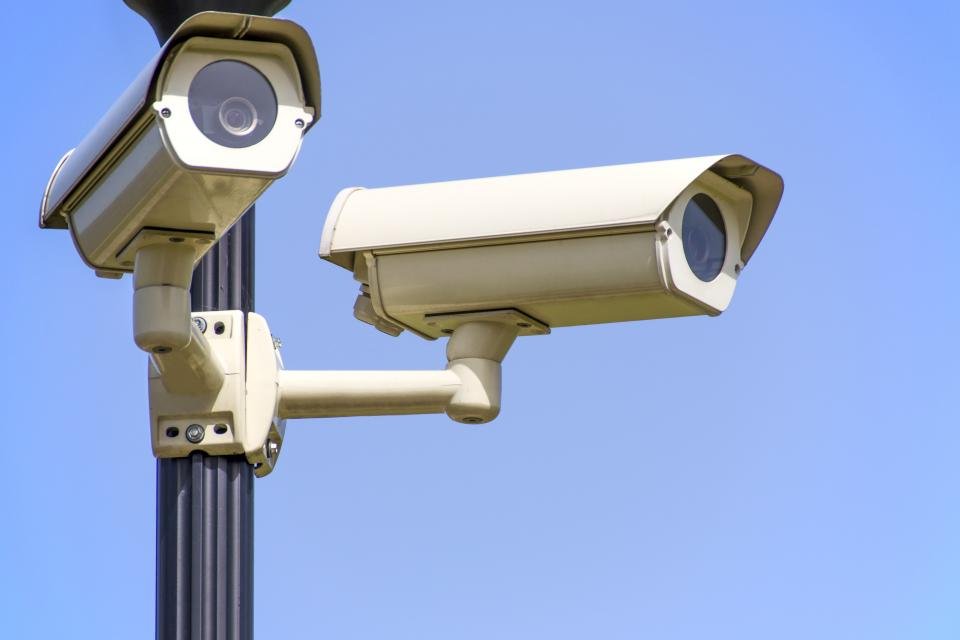
Jerry Mc Nerney, SB 947’s co-author, said the intent of the law is to ensure human oversight of AI , noting that the tech has been “prone to errors, bias, and misjudgments.” “No worker should ever be fired or disciplined by a robo boss,” Mc Nerney said. “AI must remain a tool controlled by humans, not the other way around.” Employers should take time to identify any workplace tools that may qualify under the state’s ADS definition and evaluate how their outputs could affect relevant decisions, Jackson Lewis attorneys said in an analysis published Thursday. A separate piece of legislation approved by Newsom, SB 951, amends the state’s Worker Adjustment and Retraining Act law, or Cal/WARN, to require employers to give notice of mass layoffs caused in whole or in substantial part by AI or similar systems. These notices must include information such as the occupation and job functions performed by displaced workers and the specific category or type of AI systems causing the displacement. Newsom also signed into effect two bills pertaining to workplace surveillance. The first, AB 1331, specifically limits the use of surveillance tools to monitor or surveil employees in workplace bathrooms . It also permits employees to leave behind any such tools they possess before entering a bathroom, unless they are required to remain available during meal or rest periods in accordance with state and federal laws. A second surveillance law, AB 1883 , prohibits the use of such tools to collect neural data or recognize an individual’s emotional state. AB 1883 addresses a controversial yet growing area of AI tech that has already been banned in jurisdictions like the European Union.
The set of new laws builds atop efforts by California regulators to limit the use of AI in hiring and similarly consequential employment decisions. In addition to the provisions signed this week, new regulations issued by the state’s Privacy Protection Agency effective Jan. 1, 2027, would require employers that use AI and similar tools for hiring and other employment or compensation matters to issue pre-use notices, provide the opportunity for individuals to opt out and complete risk assessments. The officer also said she was forbidden to speak publicly about equity. Two Connecticut laws requiring that require employers to provide pay ranges take effect this week. The officer also said she was forbidden to speak publicly about equity. Two Connecticut laws requiring that require employers to provide pay ranges take effect this week.
⚡ Effects Interpreter
🌍World Economy
- ▶The ripples can spread across borders, nudging growth forecasts here and there.
- ▶Overseas suppliers might gradually rethink their pricing after this kind of news.
🏙️Local Economy
- ▶Union reps in the area may already be asking questions about this.
- ▶Employers nearby may pause hiring until the picture is clearer.
🏦Rates & Banks
- ▶Fixed and variable borrowers alike may want to keep half an eye on this.
- ▶Your bank is unlikely to act on this alone, but it will be watching.
❤️Health
- ▶Local surgeries and clinics might see a short-lived rise in enquiries.
- ▶The strain, if any, tends to show up quietly in everyday life.
💷Wealth
- ▶Career uncertainty is a good prompt to trim non-essential spending.
- ▶Checking eligibility for support schemes early can save stress further down the line.
🏠Housing
- ▶Asking prices in the area might firm up or soften only gradually.
- ▶Any effect on bricks and mortar is likely to be slow and modest.